
Featured
Pimax at SRE 2026: Sim VR Is Becoming More Mainstream

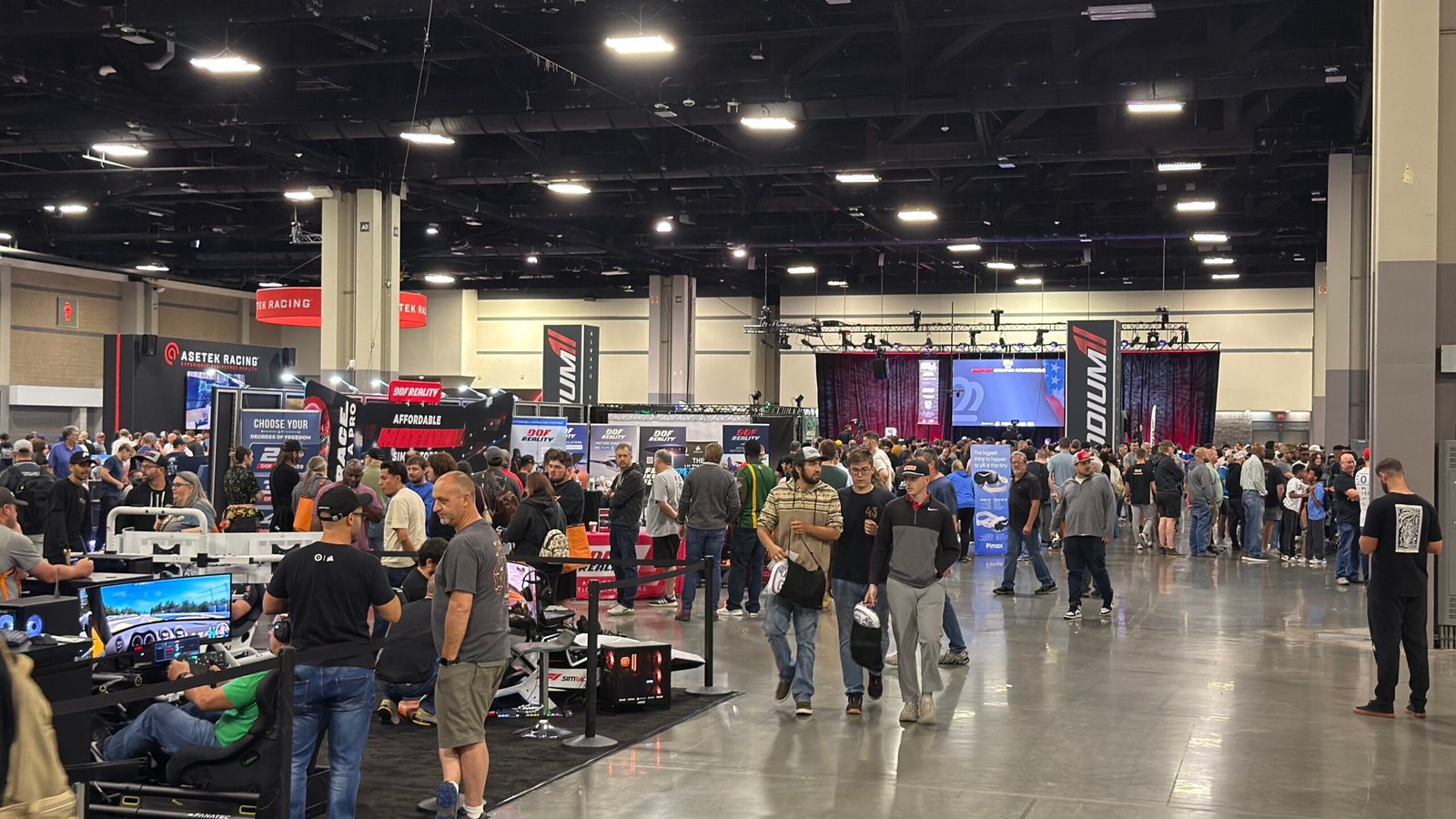
May 2026 – Sim Racing Expo 2026 in Charlotte, NC recently wrapped up, bringing together sim racing enthusiasts, hardware manufacturers, cockpit builders, content creators, and VR companies from across the industry.
As one of the major events in the sim racing space, the expo focuses heavily on racing simulation hardware, motion systems, and immersive technologies. During the event, Pimax showcased its latest VR headsets, including the Crystal Light, Crystal Super, Dream Air, and Dream Air SE.
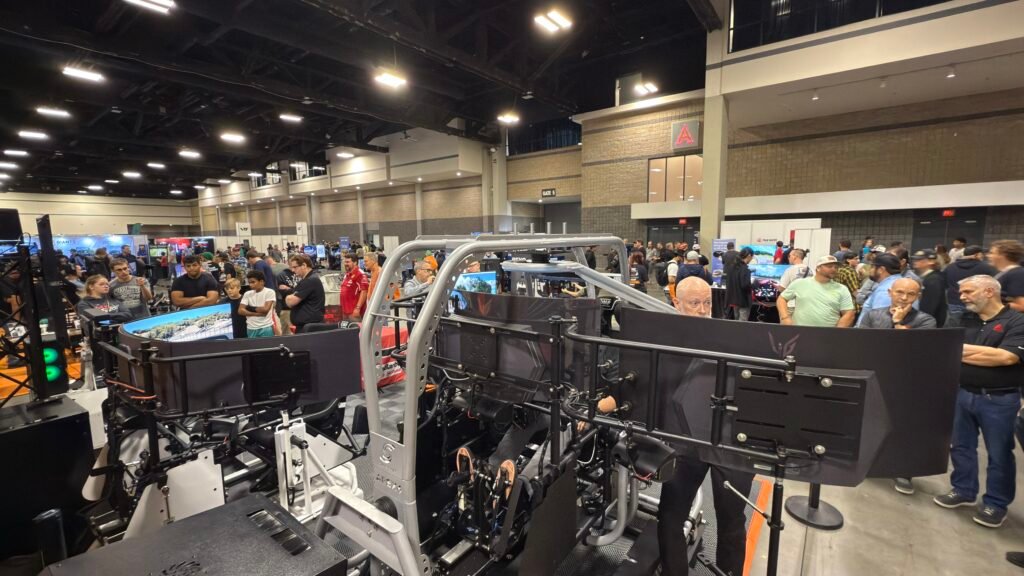
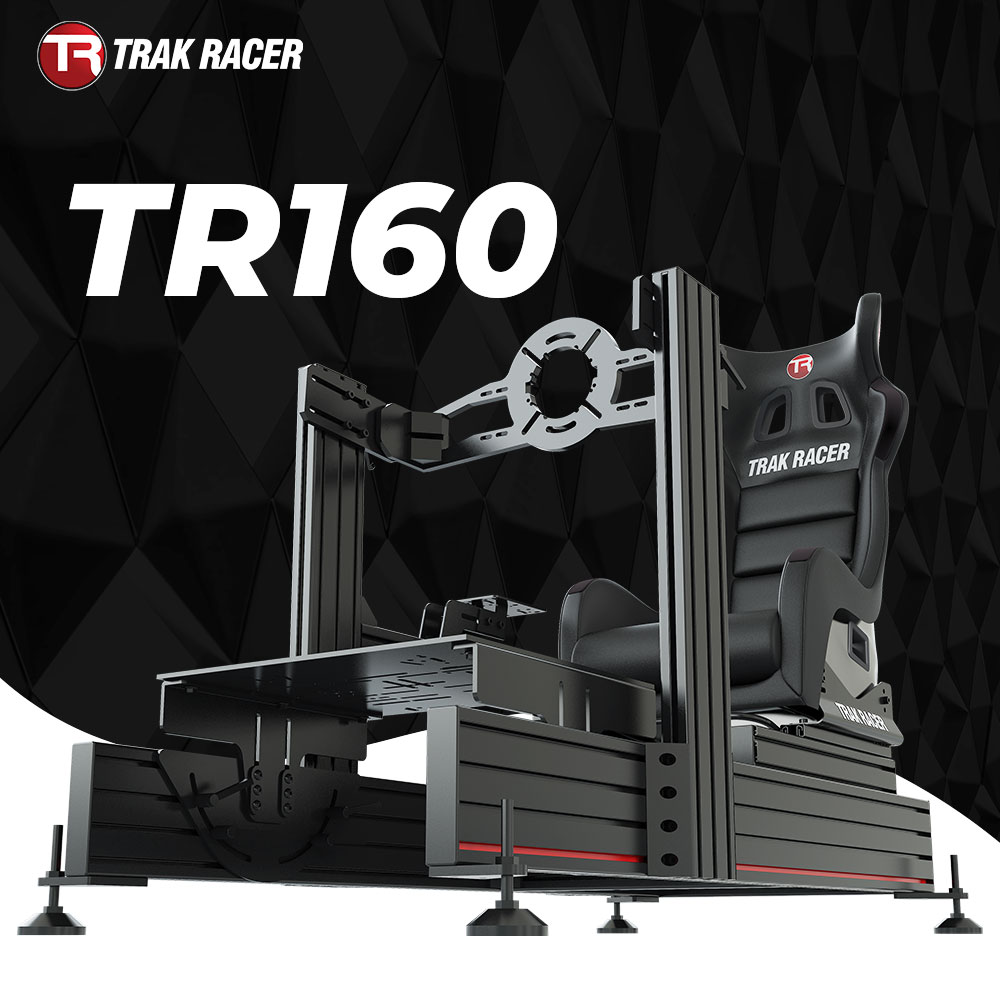
Rather than limiting the experience to a single booth, Pimax headsets were also integrated into partner setups across the show floor, including collaborations with DOF Reality, Podium1, and Trak Racer. This allowed attendees to experience VR racing across different motion simulation platforms, cockpit environments, and racing configurations.
For sim racing VR, this kind of setup simply makes more sense. A headset alone can only show part of the experience — immersion really starts to come together once the cockpit, wheelbase, pedals, motion platform, and VR environment are all working together as one complete system.
Throughout the expo, many attendees spent time comparing image clarity, environmental detail, field of view, and long-session comfort between different setups. For many first-time users, the experience felt noticeably more natural and approachable than expected.
Some attendees also commented on how VR changed spatial awareness while driving.
“The wide field of view made traffic and surrounding cars feel much easier to read naturally during racing.”
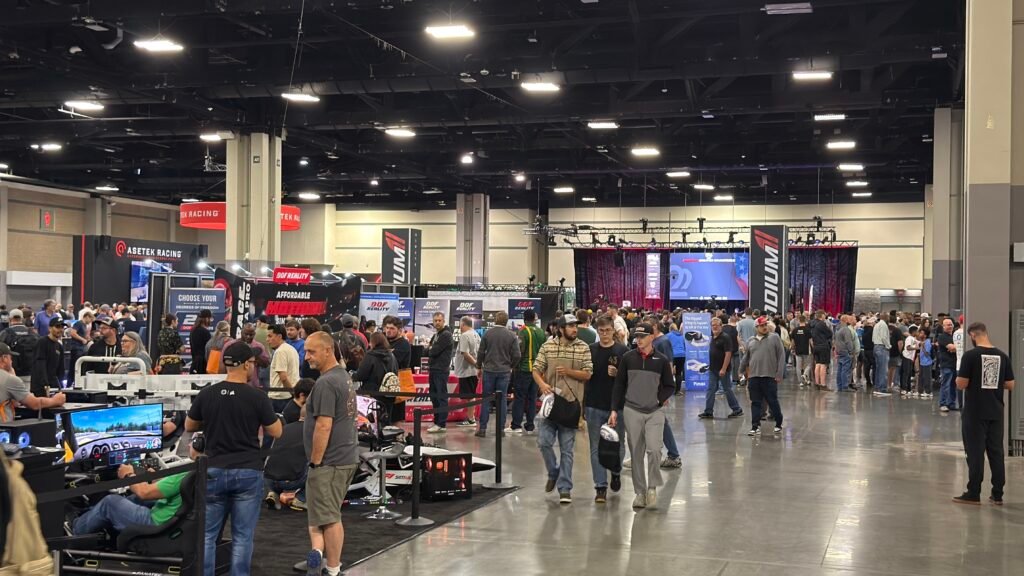
One of the more interesting things from the event was seeing how many newcomers were trying sim racing VR for the first time, including families and younger visitors. Rather than feeling like a purely technical showcase, the event often felt more like a community experience where people could sit down, try different rigs, and immediately understand why VR has become such an important part of sim racing for many users.
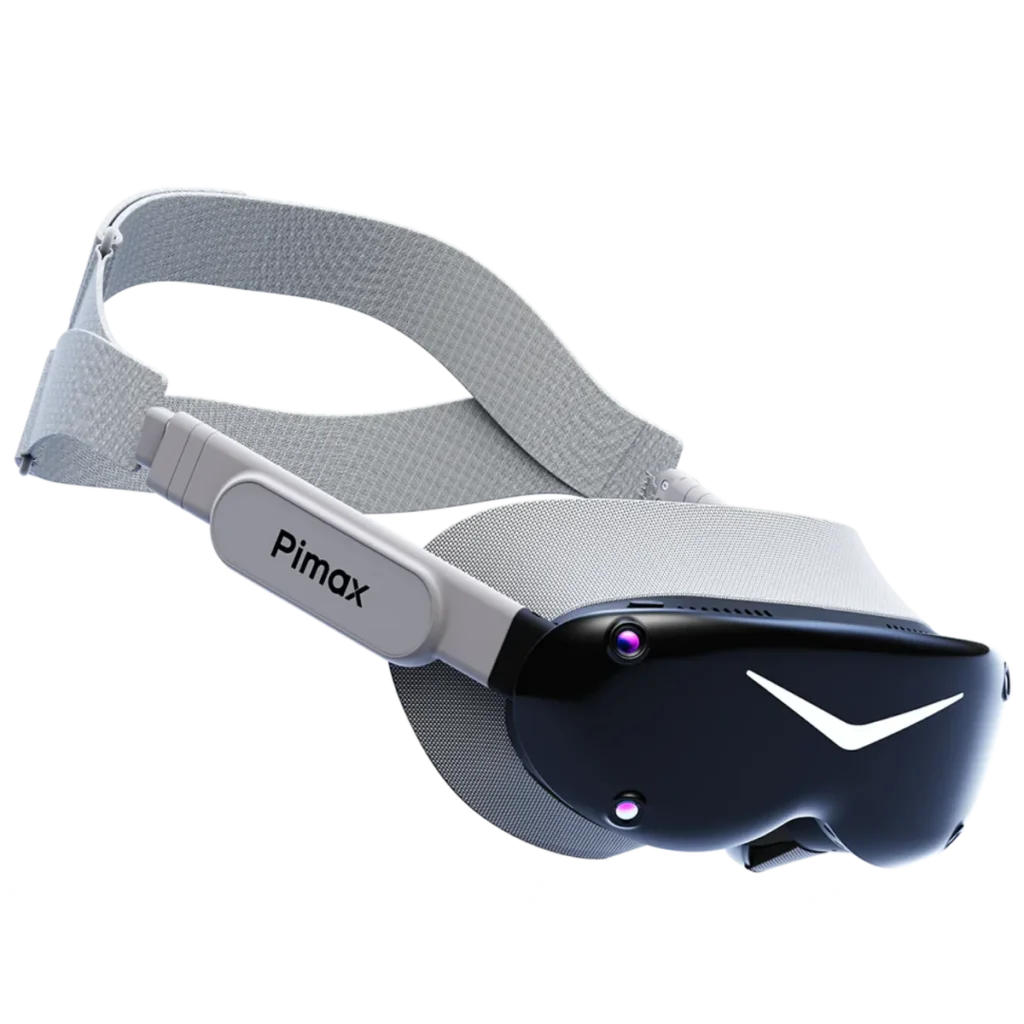
As the sim racing market continues growing, different users are naturally looking for different things from VR hardware. Some care most about image clarity and immersion, while others prioritize lighter weight and comfort for longer sessions.
That’s one reason why the current Pimax lineup has expanded in several different directions instead of trying to build a single headset for everyone.
The Crystal lineup focuses more heavily on visual clarity and overall image quality, while lighter designs like the Dream Air are aimed more toward users who value comfort and long-session wearability.
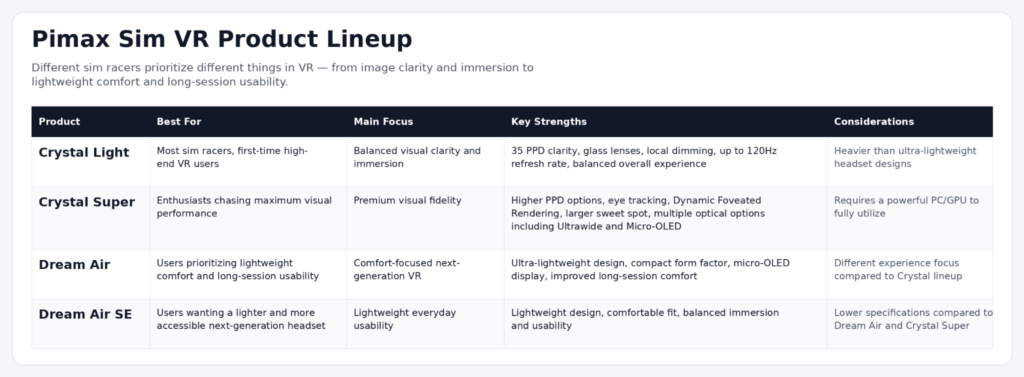
| Product | Best For | Main Focus | Key Strengths | Considerations |
| Crystal Light | Most sim racers, first-time high-end VR users | Balanced visual clarity and immersion | 35 PPD clarity, glass lenses, local dimming, up to 120Hz refresh rate, balanced overall experience | Heavier than ultra-lightweight headset designs |
| Crystal Super | Enthusiasts chasing maximum visual performance | Premium visual fidelity | Higher PPD options, eye tracking, Dynamic Foveated Rendering, larger sweet spot, multiple optical options including Ultrawide and Micro-OLED | Requires a powerful PC/GPU to fully utilize |
| Dream Air | Users prioritizing lightweight comfort and long-session usability | Comfort-focused next-generation VR | Ultra-lightweight design, compact form factor, micro-OLED display, improved long-session comfort | Different experience focus compared to Crystal lineup |
| Dream Air SE | Users wanting a lighter and more accessible next-generation headset | Lightweight everyday usability | Lightweight design, comfortable fit, balanced immersion and usability | Lower specifications compared to Dream Air and Crystal Super |
During the expo, the Pimax team also met with industry partners, media, creators, and community members to gather feedback for future sim racing and VR product development.
Limited-Time Promotion
Before June 10, users interested in Pimax Crystal light and Super headsets can use code “sksimracing” to receive an additional 2% OFF plus a $150 accessory gift bundle. The offer can also be combined with select promotions available on the official website.
Use Code Sksimracing25 for $25 off on Dream Air Lighthouse Version
More information: Pimax Crystal Light
Affiliate & Media Disclosure:
Some links in this article are affiliate links, which means SKSimRacing may earn a commission if purchases are made through them at no additional cost to you. SKSimRacing also has permission from Pimax to use the product images and promotional materials featured in this article. All opinions expressed are based on real-world sim racing experience and personal use of the hardware.







Looking for the latest Pagnian Imports discount code? We’ve created a dedicated Pagnian Imports coupon page featuring our SK SimRacing code SKSIMRACING24, checkout instructions, and important information about eligibility. Visit the page before placing your next sim racing equipment order.
In an exciting development for the Australian sim racing scene, we announce a dynamic collaboration with Pagnian Imports, a well-established name among simulation racing enthusiasts. This partnership brings a wealth of opportunities for those looking to enhance their virtual racing experience. Here’s a deep dive into what this collaboration means and the benefits it offers to sim racers down under.
Who is Pagnian Imports?
Since 2009, Pagnian Imports has been at the heart of the sim racing community in Australia. They’re celebrated for their vast array of simulation products, offering top-tier brands like Next Level Racing, Thrustmaster, Cube Controls, Buttkicker, Moza, and more. Their dedication to quality, customer service, and innovation has made them the go-to destination for sim racing gear.
What Pagnian Imports Brings to the Sim Racing World
- Extensive Product Range: From entry-level to professional-grade setups, Pagnian Imports has something for every level of racer, covering everything from racing simulators to flight setups.
- Local Expertise: As an Australian-owned enterprise, they have a deep understanding of the local market, having delighted over 55,000 customers with their service and knowledge.
- Community Focus: Beyond just selling products, Pagnian Imports actively engages with the community, sponsoring events and offering unparalleled support.
Maximizing Your Benefits
This collaboration brings with it a host of advantages for sim racing enthusiasts:
- Special Discount Code: With the discount code SKSIMRACING24, you can now enjoy substantial savings on your next purchase. Whether you’re in the market for your first wheel or upgrading to a professional cockpit, this code makes it more accessible.
- Affiliate Link: Navigating to https://pagnianimports.com.au/sksimracing not only takes you to a treasure trove of racing gear but also supports the broader sim racing community.
Enhancing Your Sim Racing Experience
- Cost-Effective Upgrades: The discount code SKSIMRACING24 allows you to invest in quality without the hefty price tag, making sim racing more approachable for all.
- Community Growth: This partnership fosters a stronger connection within the sim racing community, with Pagnian Imports’ involvement in events like the V8 Supercars eSeries.
- Expert Guidance: Benefit from the expertise of Pagnian’s team, who are passionate about ensuring you get the best out of your setup with their tailored advice and support.
How to Get Involved
Here’s how you can dive into this enhanced sim racing experience:
- Browse the Catalog: Check out what’s on offer through our affiliate link at https://pagnianimports.com.au/sksimracing.
- Use Your Discount: Make sure to use the code SKSIMRACING24 at checkout to lock in your savings.
- Join the Community: Connect with other sim racers, share your experiences, and participate in community events to grow together.
- Stay in the Loop: Keep an eye on new products, deals, and community happenings through our channels and the Pagnian Imports website.
This collaboration with Pagnian Imports is a cool step forward for the sim racing community in Australia. It’s about providing access to premium gear at a more accessible price with the discount code SKSIMRACING24, fostering a vibrant community, and pushing the boundaries of what’s possible in virtual racing. Don’t miss out on enhancing your setup; visit https://pagnianimports.com.au/sksimracing to start your journey today.
Featured
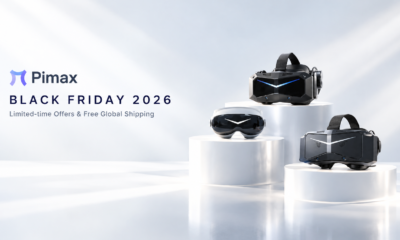
Best Pimax Black Friday 2026 Sale: Crystal Super Ultrawide $360 Off, Dream Air Discounts Included
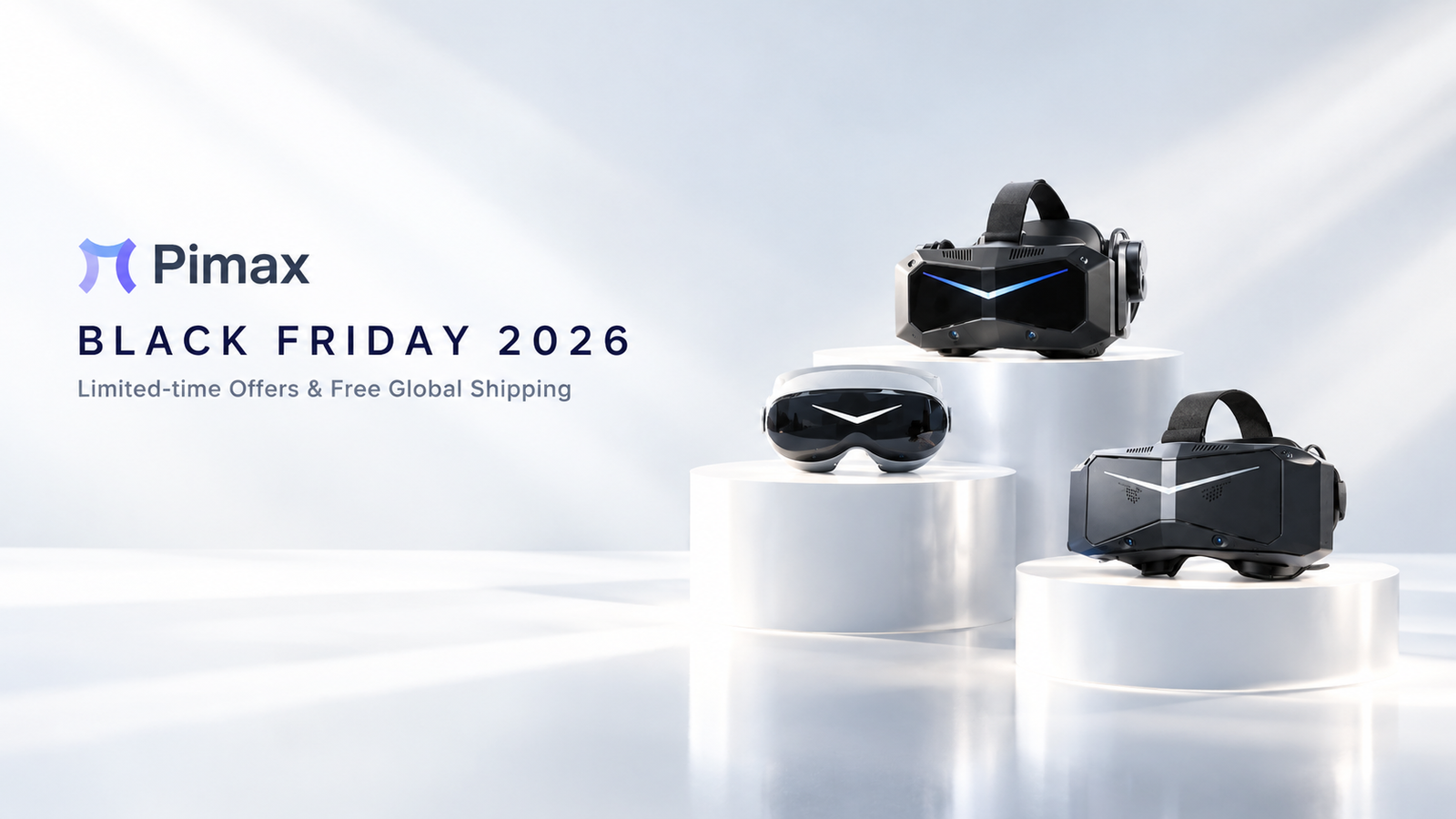
Black Friday has officially arrived at Pimax, and this year’s deals are particularly interesting for sim racers considering a serious PCVR upgrade.
From November 16 through December 5, 2026, Pimax is offering discounts across its VR headset lineup, including a $360 reduction on the Crystal Super Ultrawide, savings on the lightweight Dream Air, and free shipping on all headsets.
Even better, SKSimRacing readers can take an additional 2% off eligible Black Friday prices using code SKSIMRACING.
Having spent time racing in the Crystal Light, Crystal Super 57 PPD, and Dream Air Lighthouse, I want to look beyond the discounts and explain which offers are worth considering for your particular sim racing setup.
Explore the Pimax Black Friday 2026 Sale
Crystal Super Ultrawide: $360 Off for Black Friday
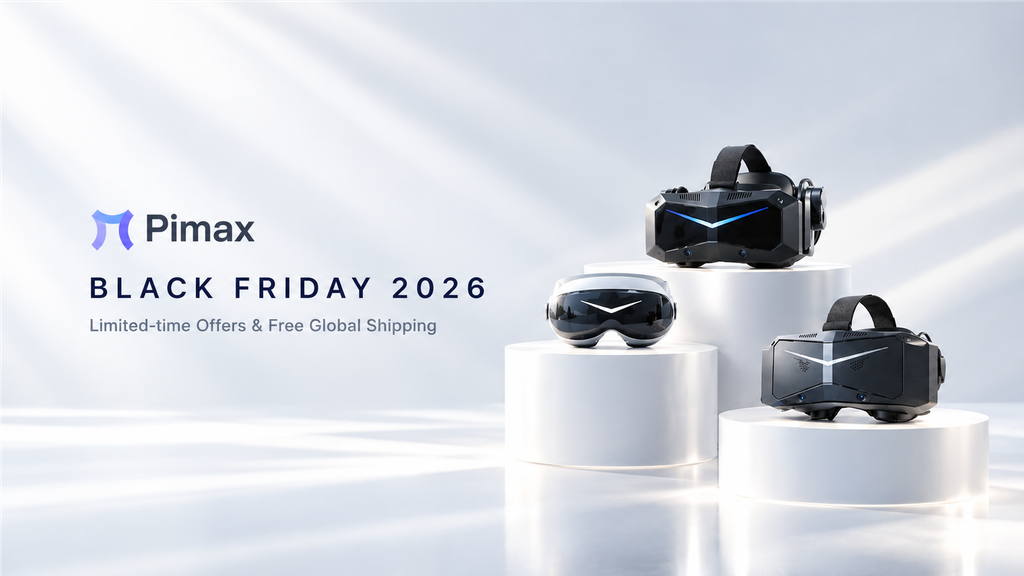
One of the standout offers this year is the Pimax Crystal Super Ultrawide, reduced from $1,799 to $1,439.
That’s a 20% discount, saving $360 before applying the additional SKSimRacing discount.
For sim racers, the Ultrawide’s biggest attraction is its wider optical configuration, with a stated 140-degree horizontal field of view.
Why does that matter?
When you’re racing side-by-side in iRacing, looking through a corner at Sonoma, or monitoring traffic approaching from either side, peripheral visibility is an important part of situational awareness.
A wider field of view can help reduce how much you need to turn your head to gather that information, although the benefit will depend on the headset’s fit and your individual preferences.
Crystal Super 50 PPD vs. 57 PPD vs. Ultrawide
Interestingly, Pimax has discounted all three configurations to the same Black Friday price.
| Crystal Super configuration | Regular price | Black Friday price |
|---|---|---|
| Ultrawide | $1,799 | $1,439 |
| 50 PPD | $1,799 | $1,439 |
| 57 PPD | $1,799 | $1,439 |
This is where I would encourage buyers to think carefully about their priorities rather than simply choosing the version with the most impressive specification.
I’ve spent several hours racing with the Crystal Super 57 PPD, and what impressed me most wasn’t a dramatic visual difference during the first few minutes.
It was the accumulation of smaller improvements.
Distant objects remained clear, cockpit information was easier to read, and I found myself spending less effort interpreting what I was seeing.
For someone who values maximum clarity, that makes the 57 PPD version especially appealing.
The Ultrawide takes a different approach, prioritizing a broader field of view.
My recommendation: Choose based on whether you value fine visual detail or peripheral immersion more. I haven’t completed equivalent hands-on testing of the Ultrawide, so I wouldn’t claim that one is universally better for racing.
Shop the Crystal Super Black Friday Deals
Pimax Dream Air: Lightweight Flagship VR Gets a Black Friday Discount
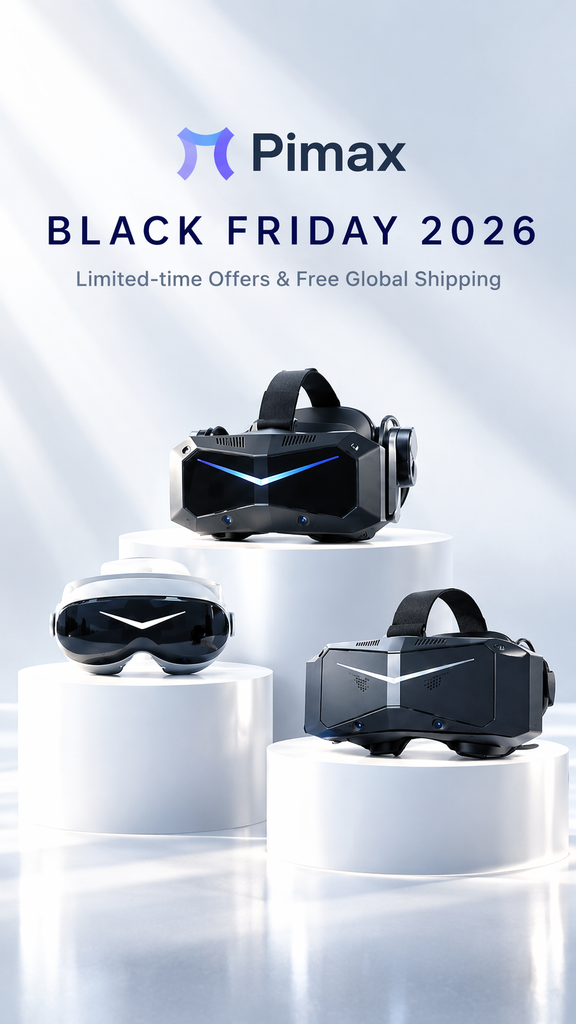
The Dream Air is another headset worth watching during this year’s sale.
| Dream Air model | Regular price | Black Friday price | Savings |
|---|---|---|---|
| Dream Air SLAM | $2,299 | $2,189 | $110 |
| Dream Air Lighthouse | $1,999 | $1,899 | $100 |
The Dream Air combines high-resolution micro-OLED displays with pancake optics in a compact headset weighing approximately 170 grams.
But after spending roughly three hours racing with the Dream Air Lighthouse version in iRacing, the biggest thing I took away wasn’t the display technology.
It was how little I noticed the headset while racing.
During my initial session at EchoPark Speedway, I found myself concentrating on traffic, positioning, and the race rather than thinking about the weight of the equipment on my head.
For someone who frequently participates in longer NASCAR races and endurance sessions, that matters.
Dream Air SLAM or Lighthouse?
The two versions serve different tracking preferences.
Dream Air SLAM uses inside-out tracking and includes two 6DoF controllers. This can be an attractive option for users who don’t want to install external tracking base stations.
Dream Air Lighthouse uses SteamVR base station tracking, making it especially interesting for users with an existing compatible Lighthouse setup.
I personally prefer Lighthouse tracking for my dedicated sim racing cockpit, where my equipment remains in a fixed position.
Updated Dream Air Facial Interface
Pimax has also introduced a revised Dream Air facial interface intended to improve fit and comfort.
According to Pimax’s product information, the updated interface is included with new orders, although it may ship separately.
That’s worth keeping in mind when comparing new purchases with earlier Dream Air reviews.
Explore Dream Air Black Friday Pricing
More Pimax Black Friday Deals: Crystal Light, Crystal Super OLED and Dream Air SE
Not everyone needs a flagship headset, and that’s something I’ve emphasized throughout my Pimax reviews.
The Crystal Light remains a compelling choice for sim racers who want dedicated, high-quality PCVR without committing to the flagship price range.
Here are the remaining headset offers:
| Headset | Regular price | Black Friday price |
|---|---|---|
| Crystal Super 8K OLED | $2,199 | $1,979 |
| Crystal Light | $899 | $859 |
| Dream Air SE SLAM | $1,199 | $1,199 |
| Dream Air SE Lighthouse | $899 | $899 |
The Dream Air SE models aren’t receiving direct price reductions, but they are included in the free-shipping promotion.
All prices are in USD and exclude applicable sales taxes.
Which Pimax Headset Would I Recommend?
After testing the Crystal Light, Crystal Super 57 PPD, and Dream Air Lighthouse, I don’t believe buyers should choose solely based on the largest discount.
Here’s how I would approach it:
- Crystal Light: My value-oriented recommendation for sim racers moving into dedicated, high-quality PCVR.
- Crystal Super 57 PPD: For enthusiasts prioritizing maximum image clarity and fine visual detail.
- Crystal Super Ultrawide: For buyers prioritizing peripheral visibility and a wider field of view.
- Dream Air: For racers who want premium visuals with a strong emphasis on lightweight comfort during longer sessions.
The best purchase isn’t necessarily the headset with the highest original price. It’s the one that matches how you actually race.
SKSimRacing Readers Get an Additional 2% Off
Here’s where the Black Friday promotion gets even better.
Pimax has confirmed that SKSimRacing’s exclusive discount remains available on eligible products during the sale.
Use code: SKSIMRACING
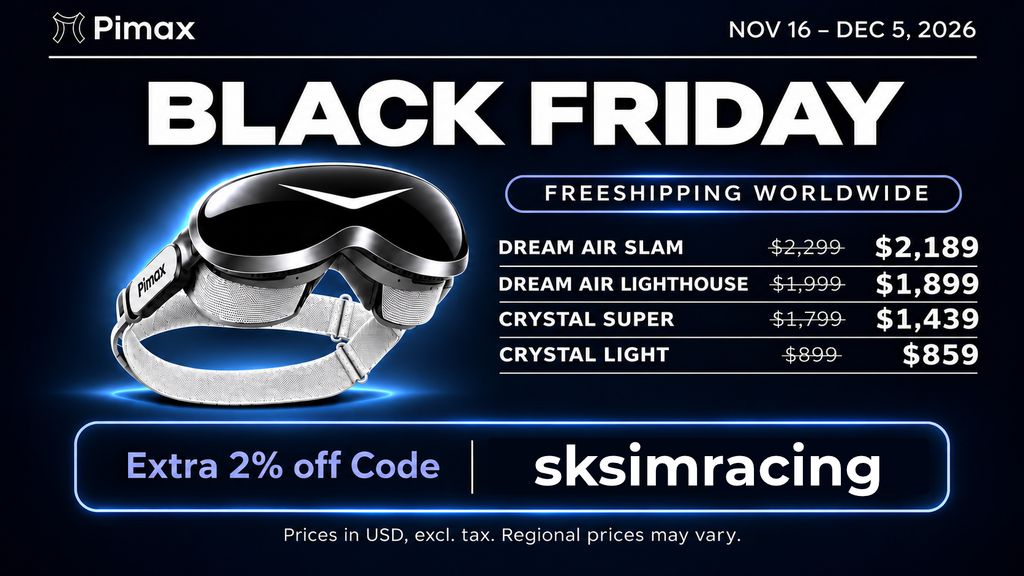
For example, here’s how the additional discount affects the Crystal Super Ultrawide:
| Price breakdown | Amount |
|---|---|
| Regular price | $1,799.00 |
| Black Friday price | $1,439.00 |
| Additional 2% SKSimRacing discount | −$28.78 |
| Final headset price before tax | $1,410.22 |
| Total savings vs. regular price | $388.78 |
That’s nearly $390 in combined savings on the Crystal Super Ultrawide.
Simply follow the SKSimRacing affiliate link and enter the discount code during checkout.
Shop Pimax Black Friday 2026 — Use Code SKSIMRACING
The additional discount applies to eligible purchases and is subject to Pimax’s promotional terms.
Free Shipping and Black Friday Price Protection
Pimax is also offering free shipping on headsets during the promotion, including the Dream Air SE models that aren’t receiving a direct price reduction.
There’s another benefit for customers who purchased earlier in November.
Under Pimax’s Price Protection program, qualifying customers who purchased a headset between November 1 and November 15 may be eligible to request the difference between their purchase price and the official Black Friday price.
Eligible adjustments are handled through Pimax customer service, with a refund or store credit available under the promotion’s terms.
If you purchased through SKSimRacing during the early-access period, contact Pimax Support directly to confirm your eligibility and request an adjustment.
When Does Pimax Black Friday 2026 End?
The sale runs from November 16 through December 5, 2026.
That gives buyers time to compare configurations, review their existing PC hardware, and decide which headset makes the most sense.
However, stock availability and fulfillment times can vary by region.
You can check Pimax’s Shipping Status page before placing an order.
Final Thoughts: Upgrade for the Experience, Not Just the Discount
Black Friday is a great opportunity to save money, but I wouldn’t recommend upgrading a VR headset simply because it’s on sale.
Having raced with several Pimax headsets, I’ve learned that the differences between them aren’t always obvious from the specification sheets.
The Crystal Light offers excellent value. The Crystal Super 57 PPD emphasizes clarity and visual refinement. The Dream Air takes a different direction by making lightweight comfort a central part of the experience.
And with the Crystal Super Ultrawide receiving a $360 discount, buyers interested in a wider field of view have another compelling option to consider.
If you’ve been planning a PCVR upgrade, this year’s Pimax Black Friday promotion is worth a look.
Black Friday runs November 16–December 5.
Browse All Pimax Black Friday Deals
Extra discount code: SKSIMRACING — 2% off eligible purchases.
Affiliate Disclosure: This article contains affiliate links. If you purchase through these links, SKSimRacing may earn a commission at no additional cost to you. These commissions help support the independent reviews and testing published on SKSimRacing.
Media Disclosure: SKSimRacing has permission from Pimax to use product images and promotional materials featured in this article.
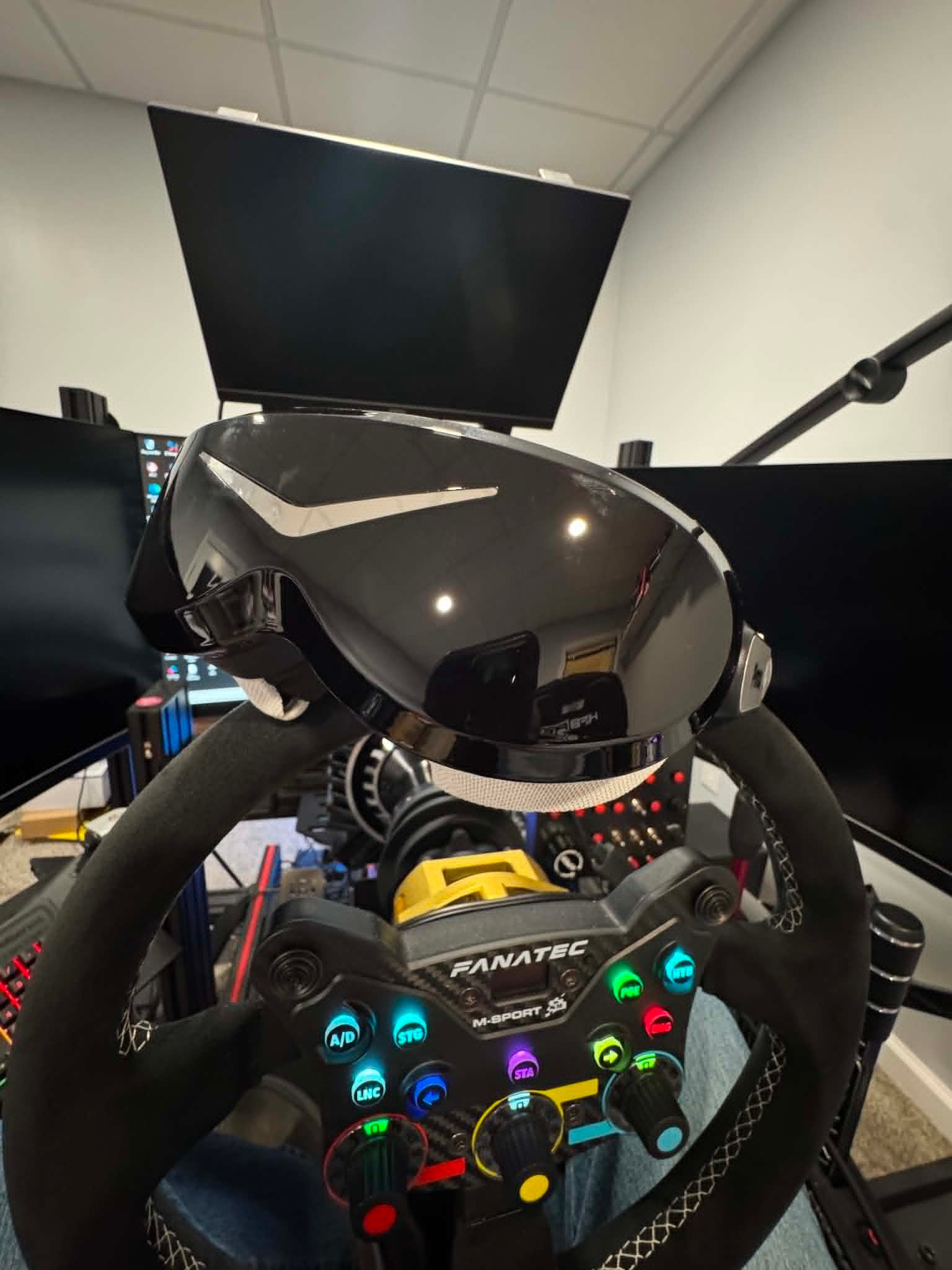
I noticed something recently.
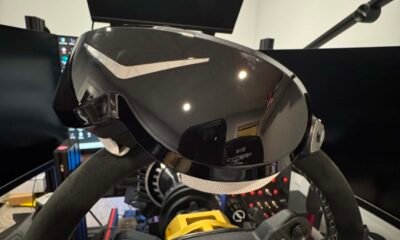
Since getting the Pimax Dream Air, I haven’t wanted to use a monitor for iRacing.
What’s interesting is that I never made a conscious decision to switch completely to VR. It just happened. Every time I sat down to race, I reached for the Dream Air. After a few weeks, I realized the monitor was no longer part of the decision at all.
That surprised me.
For years, VR has offered a level of immersion that monitors simply can’t match. But monitors were usually easier to live with. They were more comfortable for long sessions, you could see your wheel and button boxes, and you didn’t have to wear a headset for hours at a time.
The Dream Air doesn’t eliminate every downside of VR.
What it does do is remove enough of them that I no longer find myself deciding between VR and a monitor. I just race in VR.
To me, that’s far more significant than any spec-sheet upgrade.
The Real Problem With VR Was Never Immersion
VR has always had one major advantage over monitors: depth perception.
You can judge distances more naturally, place your car with greater confidence, and look through corners the same way you would in a real car. It gives you a sense of space that even the best triple-screen setup can’t fully recreate.
The problem was everything else.
Previous generations of headsets often came with compromises. Some lacked clarity in the distance, others had a small sweet spot in the lenses, and many became tiring during longer races. The usual solution was to add bigger displays and better optics, which often resulted in larger and heavier headsets.
That trade-off mattered.
A headset could feel incredible for thirty minutes, then leave you wanting to take it off before the race was over.
What makes the Dream Air stand out is that it tackles both image quality and comfort at the same time.
Why Dream Air Changed It for Me
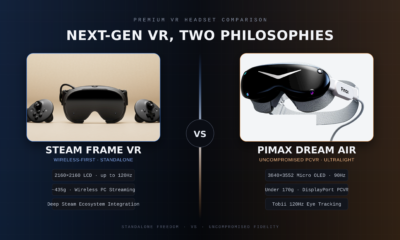
The Dream Air combines Micro OLED displays with a resolution of 3840 × 3552 pixels per eye, eye tracking, automatic IPD adjustment, dynamic foveated rendering, and a DisplayPort connection for PCVR.
Those specifications are impressive, but they’re not what changed my experience.
What I notice every time I use the headset is the combination of clarity and weight.
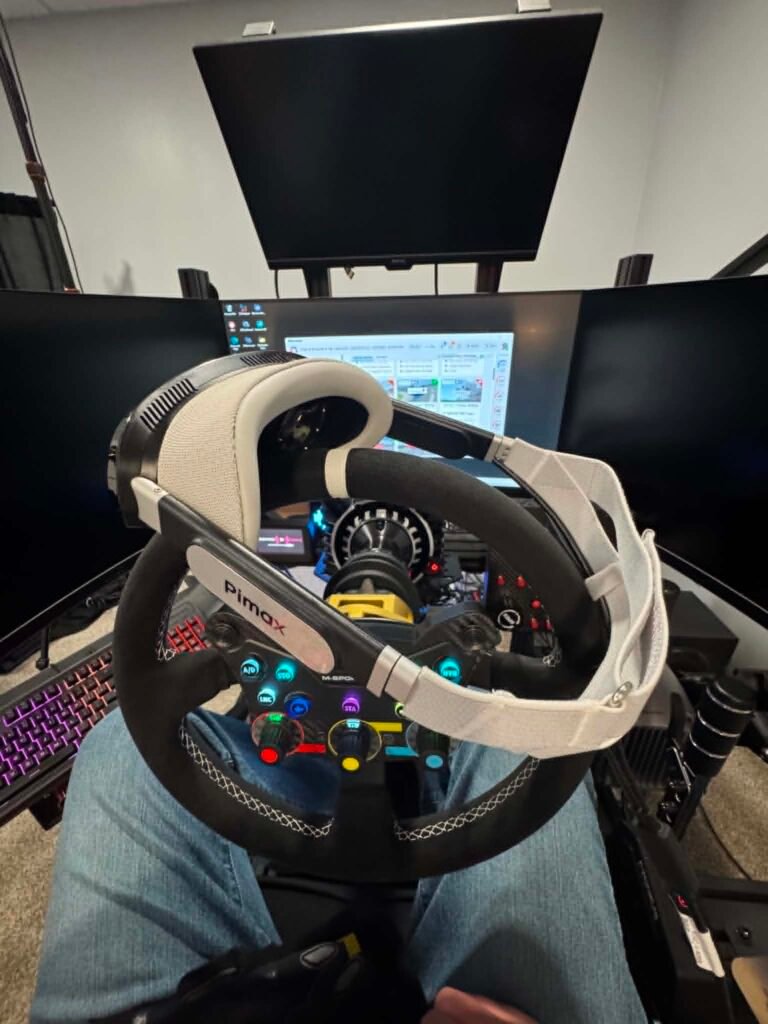
At roughly 170 grams, the Dream Air feels dramatically different from a traditional high-end VR headset. There’s less pressure on your face, less movement when turning your head, and far less fatigue during long sessions.
The image quality matters just as much.
Distant cars are easier to identify. Braking markers stay clear. Cockpit details remain sharp. Instead of searching for visual information, it simply feels like it’s there.
More importantly, that combination changed my behavior.
I never decided to pause using my triple screen setup. I simply kept choosing the Dream Air every time I launched iRacing.
Why Weight Matters More Than People Think
Weight is one of those specs that’s easy to overlook.
To be clear, I’m not saying headsets like the Pimax Crystal Light or Pimax Crystal Super are uncomfortable. They’re outstanding headsets, particularly when it comes to image quality.
But compared with the Dream Air, they’re significantly larger and heavier, and during a long race that difference becomes increasingly noticeable.
The same applies to headsets like the Quest 3.
Weight may seem insignificant during the first few minutes. After an hour or two of racing, it becomes part of the experience. You’re braking hard, fighting the wheel, moving in the seat, and constantly making small head movements. A heavier headset makes all of those movements feel more noticeable.
A lighter headset doesn’t eliminate every limitation of VR, but it can make long sessions far easier and more enjoyable.
That’s where the Dream Air feels different.
The Crystal Light and Crystal Super focus heavily on delivering exceptional visual performance. The Dream Air takes a different approach by prioritizing a compact, lightweight design while still delivering a premium image.
For sim racing, I’ve come to value that more than I expected.
What About Field of View?
The Dream Air doesn’t have the widest field of view available.
Its horizontal field of view sits at around 110 degrees.
Initially, I expected that to bother me. In practice, it hasn’t.
I actually prefer the balance. The image remains sharp, performance is easier to manage, and I still get the sense of depth and spatial awareness that makes VR so compelling.
For sim racing, a wider field of view is certainly beneficial.
But it isn’t everything.
A larger image means very little if achieving it requires sacrificing clarity or frame rate.
A Headset You Actually Want to Use
The Dream Air SLAM version includes inside-out tracking, eye tracking, dynamic foveated rendering, hand tracking, passthrough, integrated audio, and 6DoF controllers.
Features are important, but convenience is what stands out to me.
Like most PCVR headsets, there’s some initial setup involved. Once that’s done, the experience becomes remarkably simple. I sit down, put on the headset, launch iRacing, and start racing.
Pimax Play helps here as well. Most settings and controls are centralized in one place, so I rarely have to think about the headset itself once everything has been configured.
That may sound like a small thing, but it matters.
If using a headset feels like work every time you want to race, you’ll naturally use it less. The best VR headset isn’t necessarily the one with the most impressive specifications. It’s the one you genuinely want to put on.
Triple Screens Still Have Advantages
Traditional monitors still do some things better.
You can see your wheel, keyboard, button boxes, and other hardware. Managing Discord, desktop applications, race management tools, and quick adjustments is often easier on a monitor setup.
VR also demands a capable PC if you want high resolution and consistent performance.
So this isn’t a story about monitors suddenly becoming obsolete.
It’s about the reasons for going back to them becoming less convincing.
Who Is Dream Air For?
The Dream Air makes the most sense for people who love the idea of VR but have always disliked the compromises.
Maybe your previous headset felt too heavy.
Maybe image clarity wasn’t where you wanted it to be.
Maybe you liked the lightweight approach of something like the Bigscreen Beyond but wanted more built-in functionality.
That’s where the Dream Air becomes genuinely interesting.
It isn’t just about adding more features or better specifications. It’s about removing enough friction that VR stops feeling like something you occasionally use for special occasions.
Instead, it becomes your default way to race.
This post contains affiliate links. If you purchase through them, I may earn a commission at no extra cost to you.
-
 Featured4 years ago
Rev Up Your Sim Racing Experience with SK Sim Racing: Discover High-Quality Sim Wheels, Pedals, Shifters & More – Exclusive Discounts and Offers Await!
-
 Products4 years ago
Boost Your Sim Racing Experience with Exclusive Deals from Fanatec, Digital-Motorsports, Demon-Tweeks, Ricmotech & Trak Racer
-
 Featured5 years ago
Rev Up with The Oval Wheel: Unleash the Thrill of Racing
-
 Featured3 years ago
Fanatec Sim Racing Wheel Ultimate Buyer’s Guide 2024-2025
-
 Sim Racing3 years ago
Experience the Thrill of Virtual Racing: Unlocking the Exciting World of Sim Racing and Beyond!
-
 Featured6 years ago
New Rig Build
-
 Featured6 years ago
Fanatec CSL Elite Steering Wheel McLaren GT3 V2
-
 Products6 years ago
Sim Racing Gloves