
Sim Racing
Experience the Thrill of Virtual Racing: Unlocking the Exciting World of Sim Racing and Beyond!

We are SK Sim Racing. We began as an eBay store in June of 2018. We specialized in open box gaming and computer peripheral devices. Since that time, we’ve transitioned to a Sim Racing focus, with an emphasis on Sim Racing Peripheral Devices. Being U.S. based, we’ll focus primarily on Asphalt Oval Racing here in the U.S. , and the peripheral devices & rig setups associated with Oval Racing. Check out my review videos/articles of Sim Racing products that I’ve used in Sim.
If you’d like to support our site, check out our affiliate partner page for great Sim Racing Gear and Discount opportunities.





Featured
Is the Pimax Crystal Super Overkill for Most Sim Racers? After Several Hours in the 57 PPD Version, Here’s My Honest Opinion
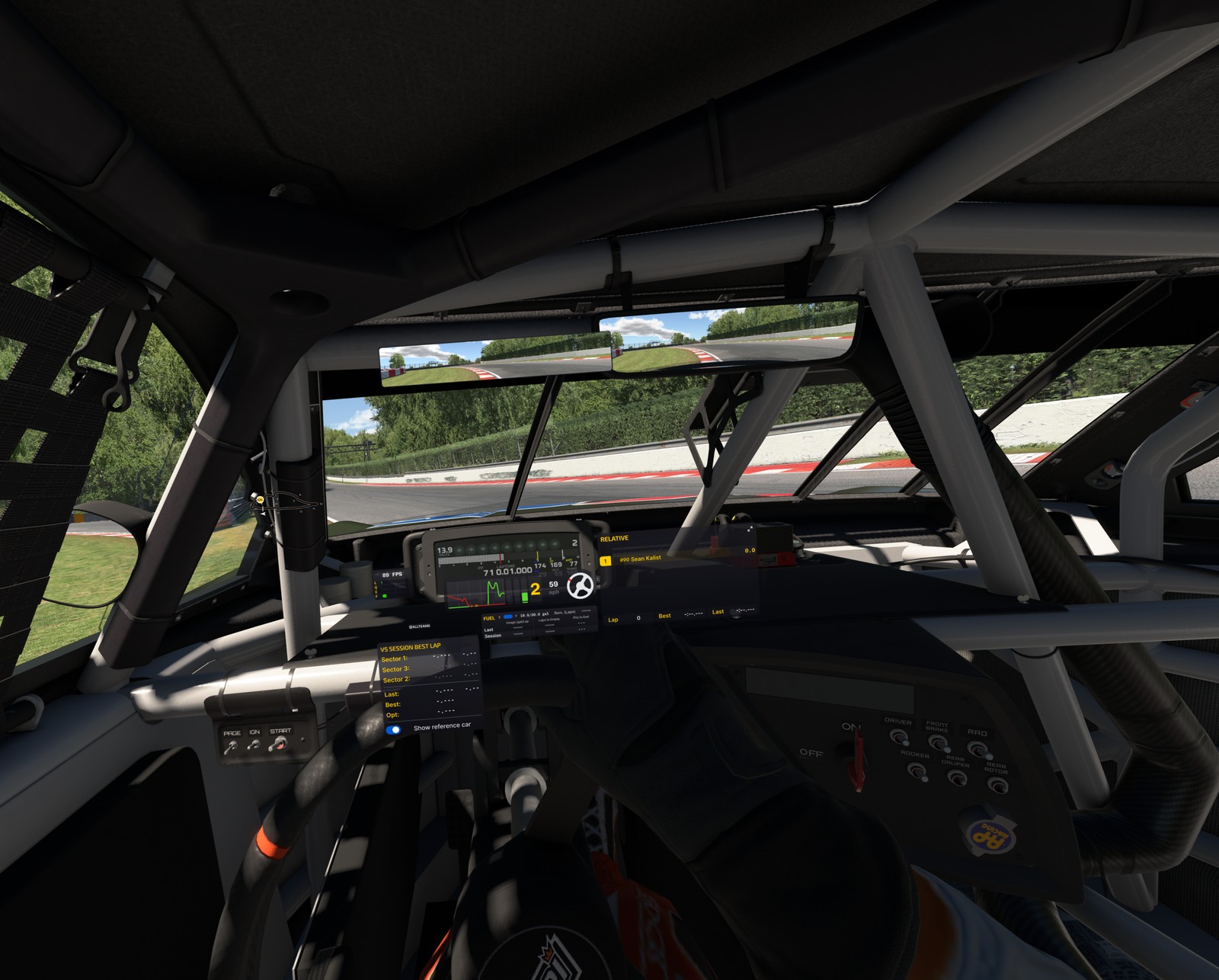
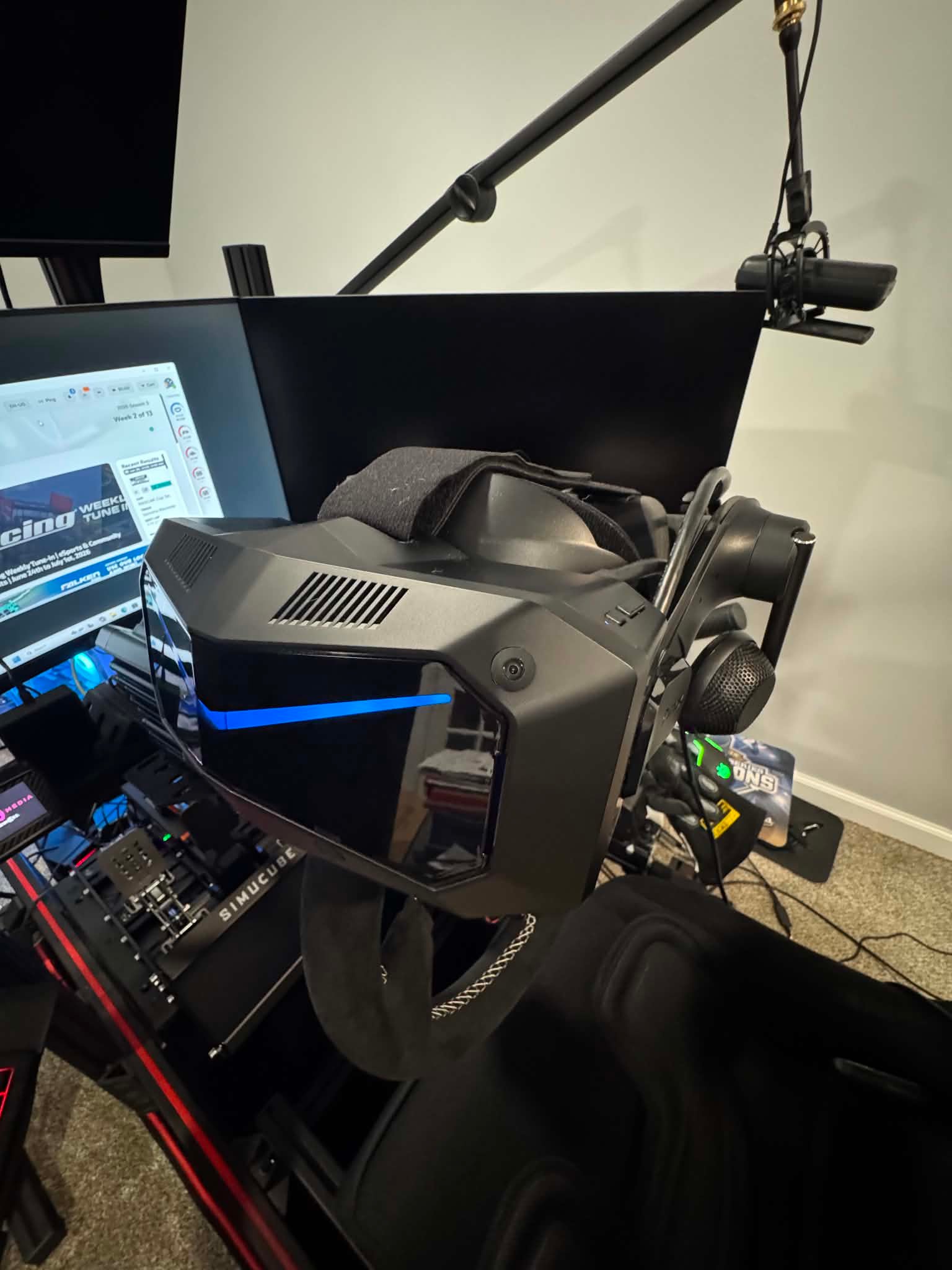
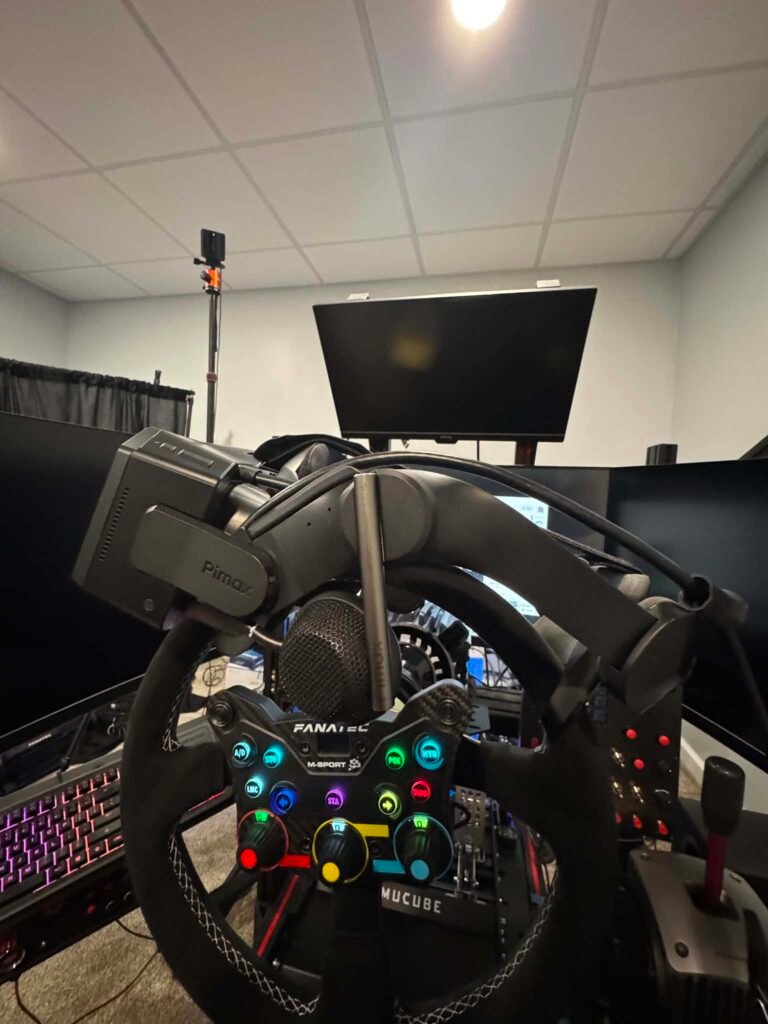
Is the Pimax Crystal Super 57 PPD more VR headset than most sim racers actually need, or does it deliver meaningful advantages that only become apparent after hours behind the wheel? After spending several sessions racing in iRacing with the Crystal Super—equipped with DMAS headphones and the Ice Silk Facial Foam—I came away with a very different opinion than I expected. Here’s why “overkill” may not be the right word after all.
The Question I Kept Asking Myself
When I thought about whether the Crystal Super is “overkill” for sim racers, my first reaction was simple:
Probably.
After all, I had already spent a lot of time with the Crystal Light.
The Crystal Light is excellent.
It has become one of my favorite VR headsets for iRacing because it strikes an outstanding balance between clarity, performance, and value.
So naturally I wondered…
How much better could the Crystal Super really be?
After several hours using the 57 PPD Crystal Super, I don’t think the answer is as simple as yes or no.
👉 Learn more about the Crystal Super:
https://pimax.com/products/pimax-crystal-super?ref=sksimracing&utm_campaign=affiliate_promotions&utm_medium=affiliate&utm_source=goaffpro&variant=42548234190891
First Impressions Can Be Misleading
When people first put on a premium VR headset, they’re usually looking for a dramatic “wow” moment.
That’s actually not what happened to me.
Instead, the improvements revealed themselves gradually.
After a few laps…
After a few battles…
After settling into traffic…
I realized something interesting.
I wasn’t noticing one huge improvement.
I was noticing dozens of little improvements.
And those small improvements started adding up.
The Difference Isn’t Just Resolution
Obviously the Crystal Super is incredibly sharp.
That’s expected.
But what surprised me wasn’t simply the amount of detail.
It was how effortless it became to process everything happening around me.
Cars farther ahead remained easier to identify.
Trackside reference points stayed incredibly crisp.
Dashboard information felt almost effortless to read.
I wasn’t constantly refocusing my eyes.
Everything simply looked… natural.
The 57 PPD Experience
The 57 PPD version isn’t chasing impressive specifications for their own sake.
Instead, the higher pixel density changes how your brain processes the race.
You’re no longer trying to interpret blurry information.
You’re simply driving.
That distinction became more noticeable the longer I raced.
The headset almost disappears because your eyes stop working as hard.
The Unexpected Comfort Upgrade
One thing worth mentioning is my setup.
For these sessions I installed:
Honestly, I think both are worthwhile upgrades.
The DMAS headphones provide fuller, more immersive audio while eliminating the need for separate headphones.
The Ice Silk Facial Foam may sound like a small accessory, but after several hours it makes a noticeable difference.
Heat buildup is reduced.
The interface feels cooler against your face.
It’s a simple change that contributes to long-session comfort.
As someone who frequently spends multiple hours in iRacing, those little improvements matter.
Is This Where “Overkill” Stops Being Overkill?
Here’s where my opinion changed.
If your goal is simply to experience VR…
Yes.
The Crystal Super is probably more than you need.
But serious sim racing isn’t about simply experiencing VR.
It’s about reducing distractions.
Every improvement that lets you focus more on driving has value.
The Crystal Super doesn’t make me faster overnight.
What it does is remove friction.
Less eye strain.
Less visual uncertainty.
Less effort interpreting distant objects.
More confidence.
Those things accumulate over a two-hour race.
What Stood Out Most During Racing
The biggest surprise wasn’t the center of the image.
It was consistency across my entire field of view.
During side-by-side racing I wasn’t constantly moving my head trying to verify what I was seeing.
Everything stayed remarkably clear.
That helped in several situations where I felt comfortable committing to a line because I trusted the information I was receiving.
That’s difficult to quantify.
But it’s something you absolutely notice.
Crystal Light vs Crystal Super
This is probably the question everyone wants answered.
Here’s how I currently see it.
| Crystal Light | Crystal Super 57 PPD |
|---|---|
| Outstanding value | Premium no-compromise experience |
| Easier on GPU requirements | Maximum visual fidelity |
| Excellent for most racers | Built for enthusiasts chasing every advantage |
| My recommendation for many users | My recommendation if budget isn’t the limiting factor |
Would I still recommend the Crystal Light?
Absolutely.
In fact, for many readers it’s probably still the smarter purchase.
But after spending real time inside the Crystal Super, I understand exactly who it’s built for.
Who Should Buy the Crystal Super?
I think the Crystal Super makes the most sense if you:
- Race multiple nights every week.
- Spend hours at a time in VR.
- Already own a high-end PC.
- Value visual clarity as much as force feedback.
- Want to build a long-term cockpit without wondering “what if.”
If that sounds like you…
No.
I don’t think it’s overkill.
I think it’s exactly what Pimax intended it to be.
My Biggest Takeaway
If you’d asked me before trying it, I would have said the Crystal Super was probably beyond what most sim racers needed.
After actually racing with it…
My opinion changed.
Not because of one spectacular feature.
But because of how many tiny improvements quietly disappeared into the background until all that was left was the race.
The headset stopped being something I was evaluating.
It became something I trusted.
And for me, that’s the highest compliment I can give any piece of sim racing hardware.
Final Verdict
Is the Crystal Super overkill?
For casual VR users?
Probably.
For someone who races iRacing once a month?
Maybe.
For someone who spends several nights a week chasing hundredths of a second, building a dedicated cockpit, and wanting the most refined visual experience available today?
I don’t think “overkill” is the right word anymore.
I think it’s purpose-built.
👉 If you’d like to learn more about the Crystal Super or see the latest configurations, you can check them out here: https://pimax.com/pages/pimax-crystal-super?ref=sksimracing
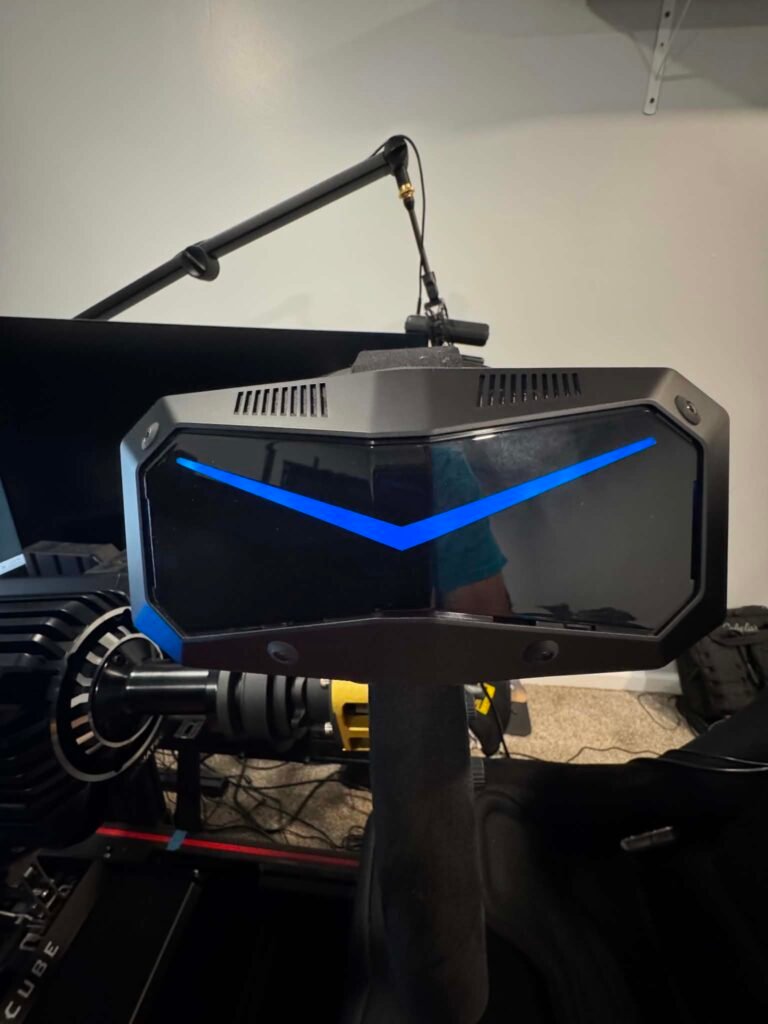
I’ll continue putting more hours on the Super as well as the “Dream Air” headset over the coming weeks, including longer NASCAR races, road courses, and endurance sessions. As I spend more time with it, I’ll be sharing additional impressions here on SKSimRacing.
Affiliate Disclosure: This article contains affiliate links. If you purchase through these links, SKSimRacing may earn a commission at no additional cost to you. These partnerships help support the reviews and testing you see on this site.
Media Disclosure: SKSimRacing has permission from Pimax to use product images and promotional materials featured in this article.
When most sim racers think about major product launches, they usually think of wheelbases, pedals, or flashy Formula wheels.
But sometimes the most important products are the ones that quietly improve the entire ecosystem.
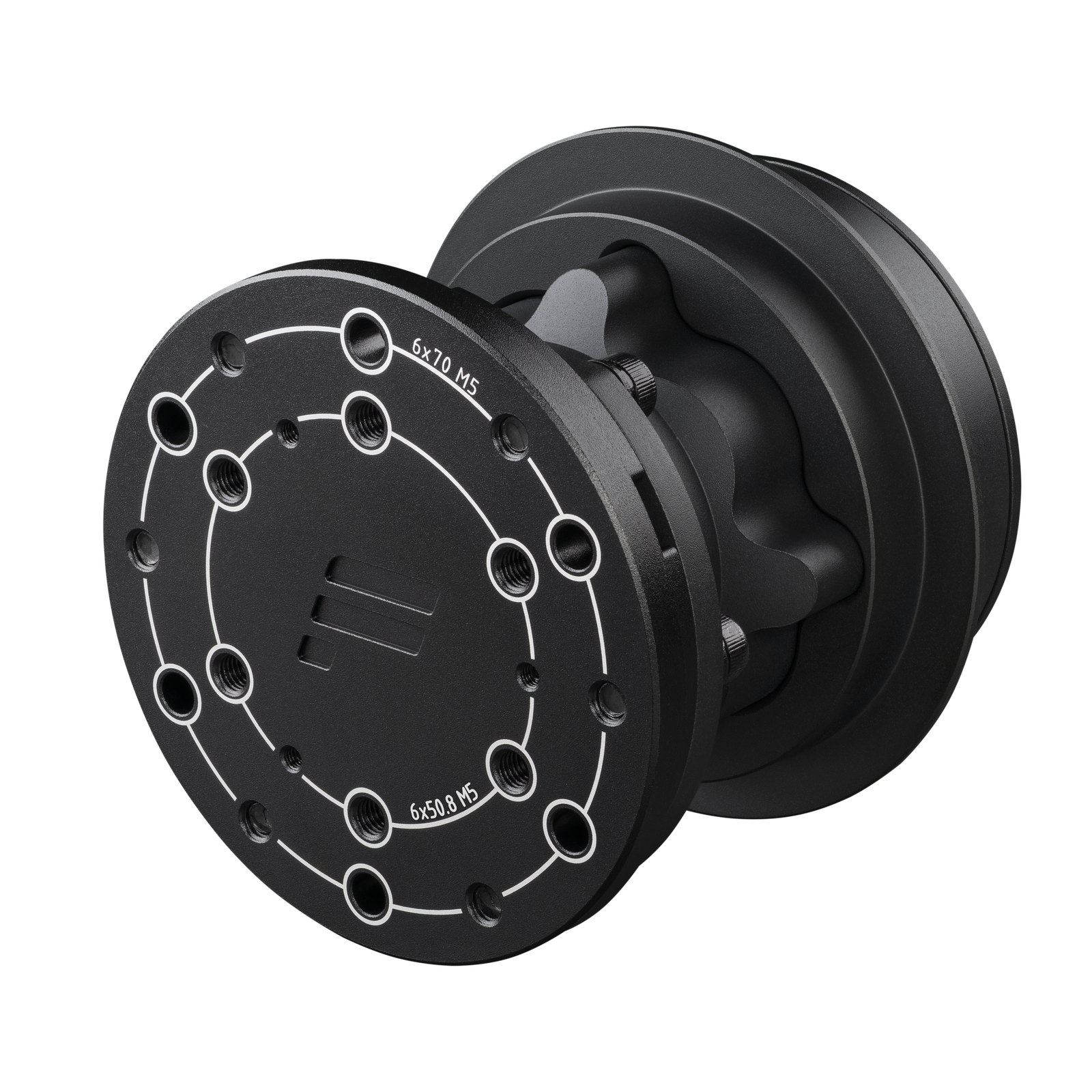
That’s exactly why the new Fanatec Wheel Hub may end up being one of the smartest releases Fanatec has made in years.
👉 Check it out here: https://fanatec.sjv.io/rEzV9R
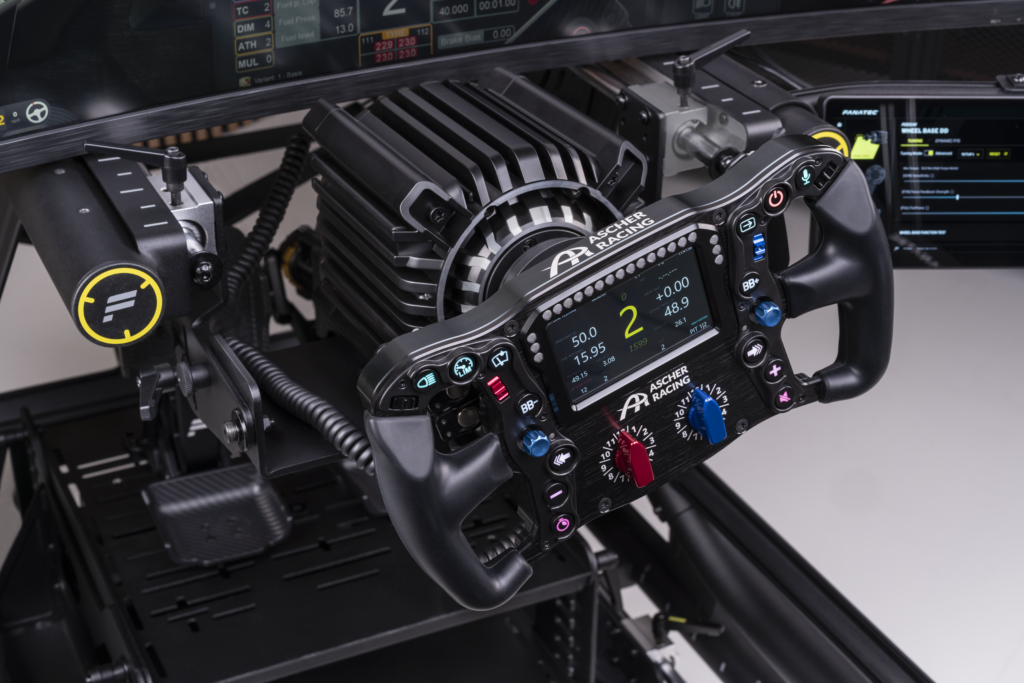
Why a Wheel Hub Matters More Than People Realize
A wheel hub sits at the center of your steering setup. It determines how many wheel rims you can use, how flexible your rig becomes, and how future-proof your investment is.
For Fanatec, that matters enormously.
Because the more useful the hub becomes, the more valuable the entire Fanatec ecosystem becomes.
That means:
- More wheel rim choices
- Easier customization
- Better long-term upgrade value
- One base supporting multiple racing disciplines
- More reasons to stay inside the Fanatec ecosystem
👉 See the new hub here: https://fanatec.sjv.io/rEzV9R
Why This Is a Game Changer for Fanatec
Fanatec doesn’t just sell hardware—they sell an ecosystem.
And ecosystems win when users can mix, match, and upgrade without starting over.
The new Fanatec Wheel Hub strengthens that strategy in a major way.
Instead of needing a dedicated wheel for every style of racing, racers can potentially build around one premium hub and adapt from there.
That is powerful.
For example:
- NASCAR oval wheel one night
- GT wheel the next
- Formula rim for open-wheel races
- Drift or rally setup on the weekend
That flexibility creates loyalty. It also gives buyers more confidence when purchasing Fanatec gear.
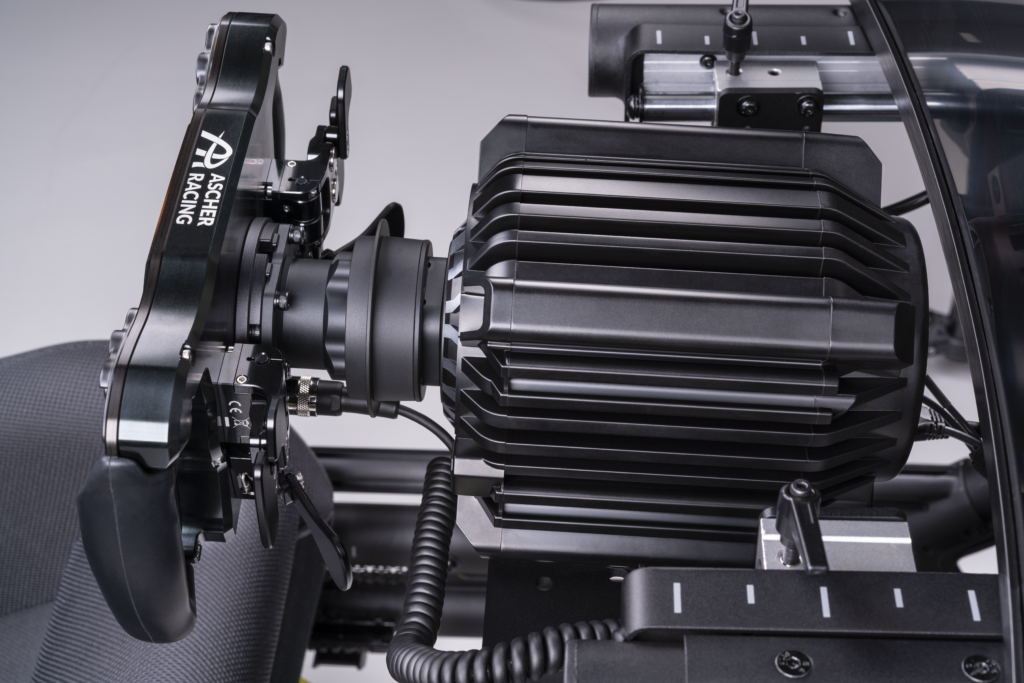
👉 Browse it here: https://fanatec.sjv.io/rEzV9R
Why This Could Increase Fanatec Sales
This hub may also help Fanatec in a business sense.
A strong modular hub can drive:
- More wheel rim purchases
- More add-on accessories
- More ecosystem retention
- Easier upgrades for existing customers
- Better value perception for new buyers
That means Fanatec can grow not only by selling new customers wheelbases—but by helping current owners expand their setups.
That’s smart business.
Why Sim Racers Should Care
If you’re a racer, this means less waste and more versatility.
Instead of replacing full wheels repeatedly, a great hub can become the backbone of your cockpit.
That can save money over time while giving you a more personalized setup.
For serious sim racers, that’s exactly what many have wanted.
👉 See the Wheel Hub: https://fanatec.sjv.io/rEzV9R
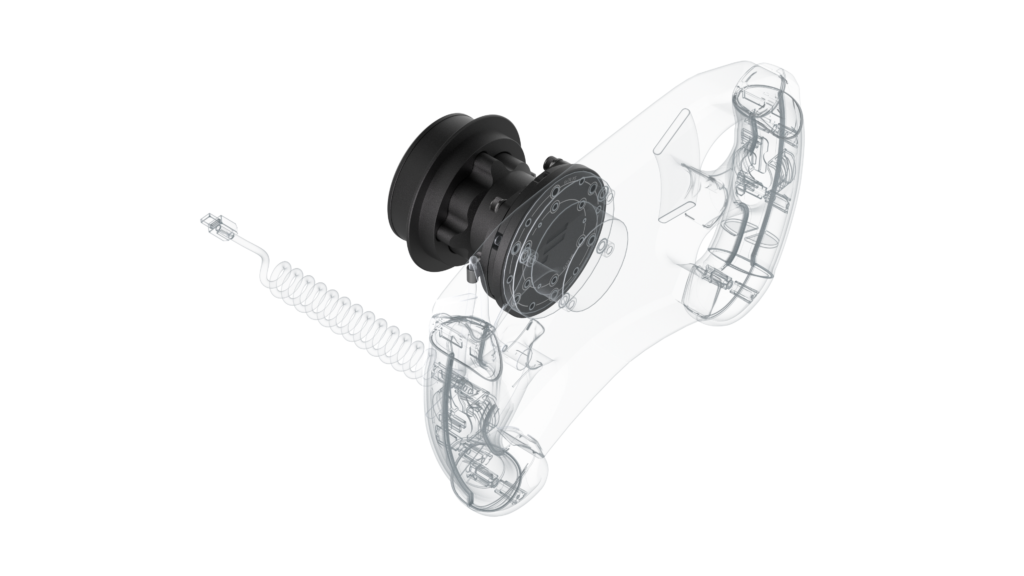
My Honest Independent Take
Wheelbases grab headlines.
Pedals win lap time.
But hubs often determine whether an ecosystem feels frustrating… or brilliant.
This new Fanatec Wheel Hub feels like one of those products that may not trend as hard on day one—but months from now people may realize it was one of Fanatec’s smartest moves.
It supports customization.
It supports loyalty.
It supports future upgrades.
And it supports racers who want one setup that can do everything.
That’s why I believe this release could be a genuine game changer for Fanatec.
Final Verdict
The new Fanatec Wheel Hub may not be the flashiest product launch of the year.
But it could be one of the most important.
Because when you improve the center of the system… everything connected to it gets stronger.
👉 Check it out here: https://fanatec.sjv.io/rEzV9R
FTC Disclosure: This article contains affiliate links. If you purchase through them, I may earn a commission at no extra cost to you. That helps support independent sim racing reviews and content.
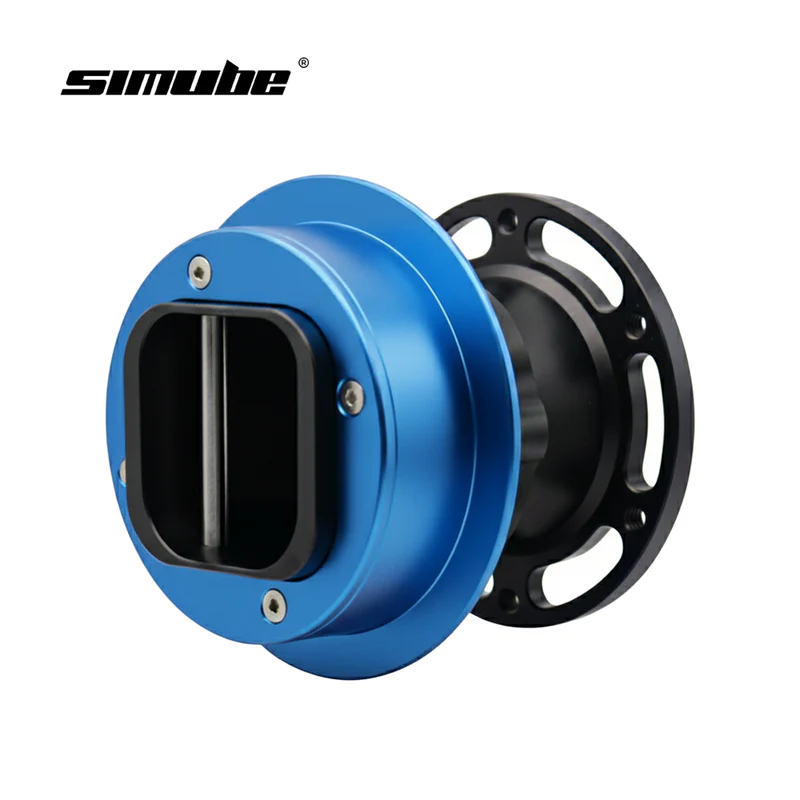

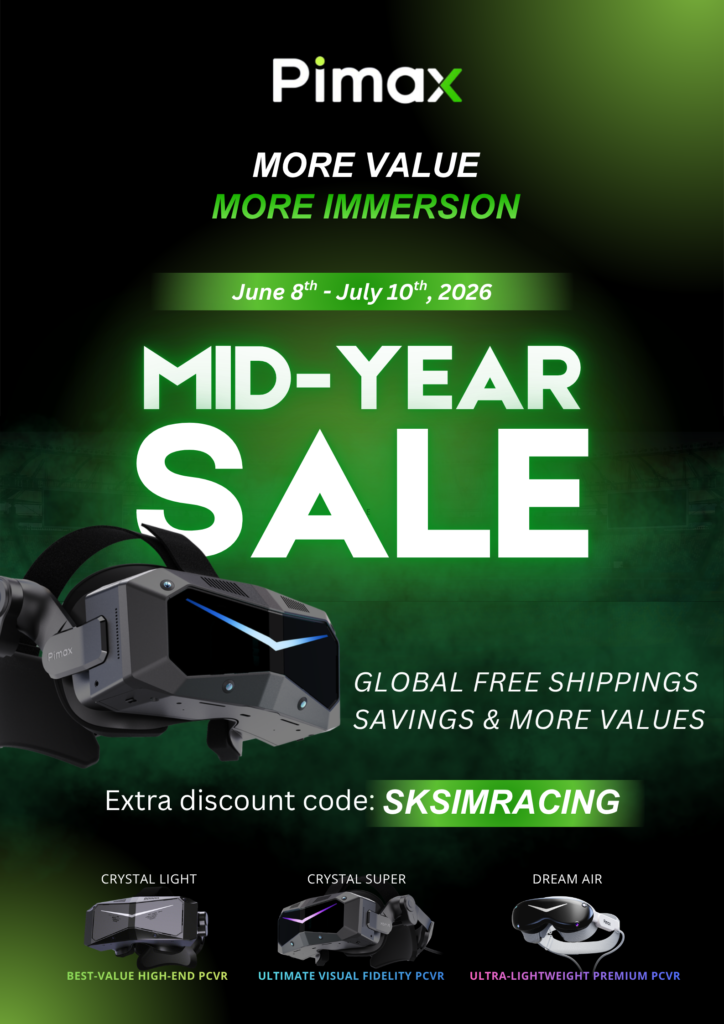
Just got word from Pimax about something pretty cool that’s happening right now.
They’re not treating us like regular customers anymore. Pimax is opening up the whole platform and inviting real users—like you and me—to step up as builders, testers, and active community members who actually help shape the future of VR.
When you grab a Crystal Super QLED during this special event, you’re not just buying a headset. You’re joining a crew of innovators who are working together to create new VR experiences, accessories, and improvements.
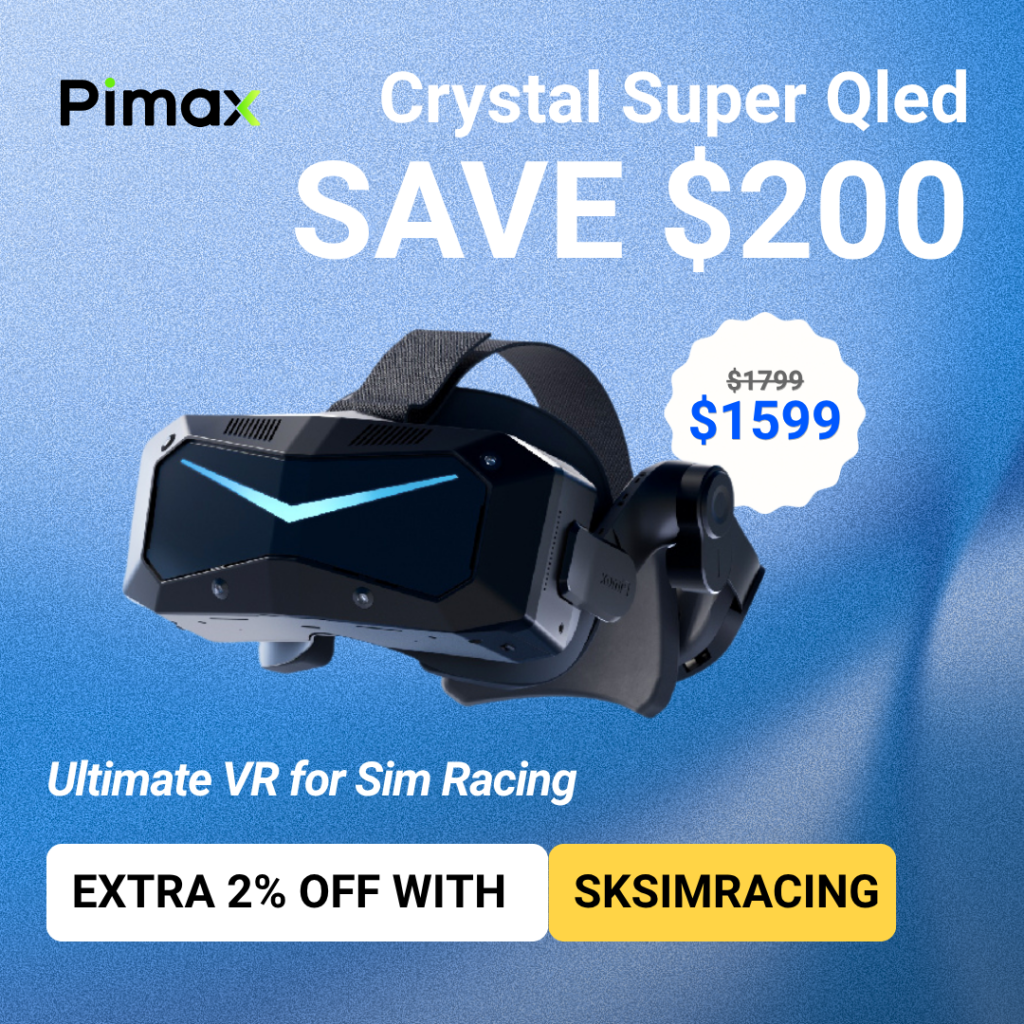
Here’s what you get during the campaign:
- Save $200 on the Crystal Super QLED — special event pricing drops it to $1,599 (regularly $1,799)
- Extra 2% off with my code SKSimracing
- Instant access to the official Pimax Discord community
- Opportunities to join feedback sessions and beta testing
- Use Pimax’s resources to help develop new VR accessories or experiences
- Become a real part of the development journey instead of just watching from the sidelines
This is exactly the kind of move that keeps me excited about Pimax. They’re listening to the sim racing crowd and giving us a real voice in what comes next.
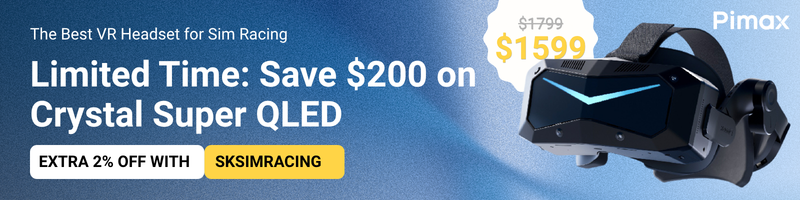
If you’re already thinking about leveling up from the Crystal Light (or jumping straight into the higher-end game), now’s a killer time to pull the trigger on the Crystal Super.
Grab yours here with my affiliate link and support the site: https://pimax.com/collections/vr-racing-headsets?ref=sksimracing
Just remember to use code SKSimracing at checkout for that extra 2% off on top of the $200 savings.
Affiliate Disclosure: This post contains affiliate links. If you purchase through them, I may earn a small commission at no extra cost to you. I only recommend gear I actually use and believe in.

-
 Featured4 years ago
Rev Up Your Sim Racing Experience with SK Sim Racing: Discover High-Quality Sim Wheels, Pedals, Shifters & More – Exclusive Discounts and Offers Await!
-
 Products4 years ago
Boost Your Sim Racing Experience with Exclusive Deals from Fanatec, Digital-Motorsports, Demon-Tweeks, Ricmotech & Trak Racer
-
 Featured5 years ago
Rev Up with The Oval Wheel: Unleash the Thrill of Racing
-
 Featured3 years ago
Fanatec Sim Racing Wheel Ultimate Buyer’s Guide 2024-2025
-
 Featured6 years ago
New Rig Build
-
 Featured6 years ago
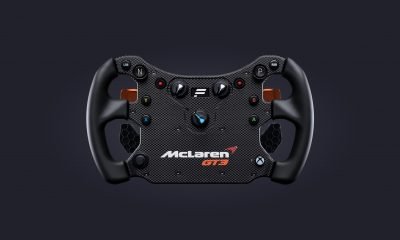
Fanatec CSL Elite Steering Wheel McLaren GT3 V2
-
 Products6 years ago
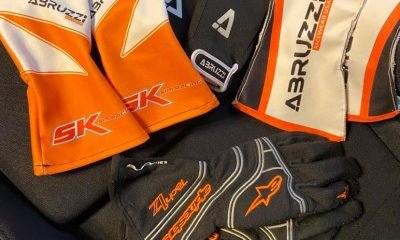
Sim Racing Gloves
-
 Products6 years ago
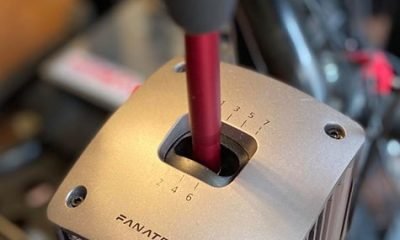
You have to Shift !