
Featured
Fanatec Just Shook Up Sim Racing With 3 New Releases in One Day

Some product launches feel small.
This was not one of them.
Fanatec has just unveiled three new products at once—and if you’re building or upgrading a serious sim racing setup, today may be one of the biggest hardware days of the year.
The new lineup includes:
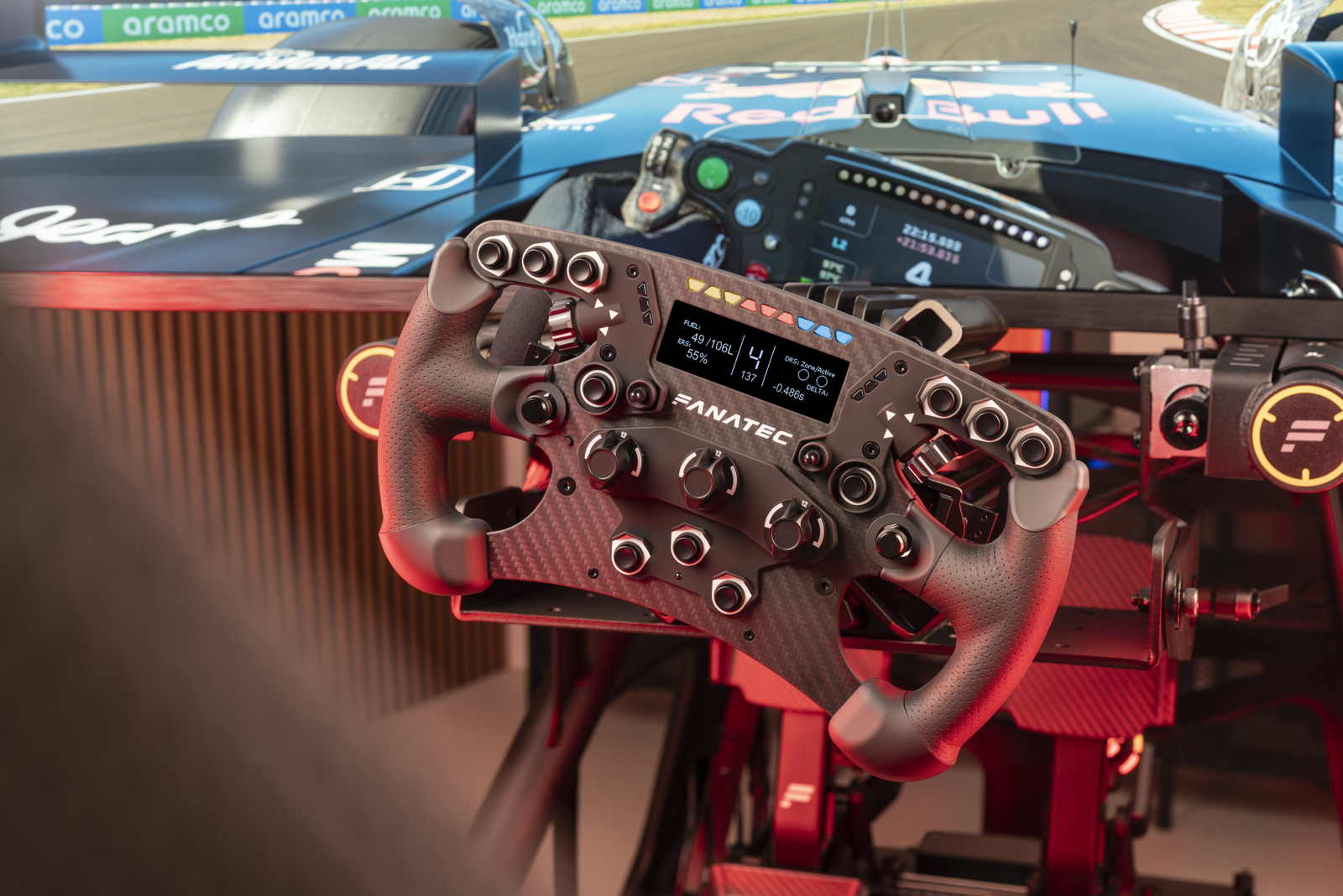
- Fanatec Formula V3 Wheel Rim
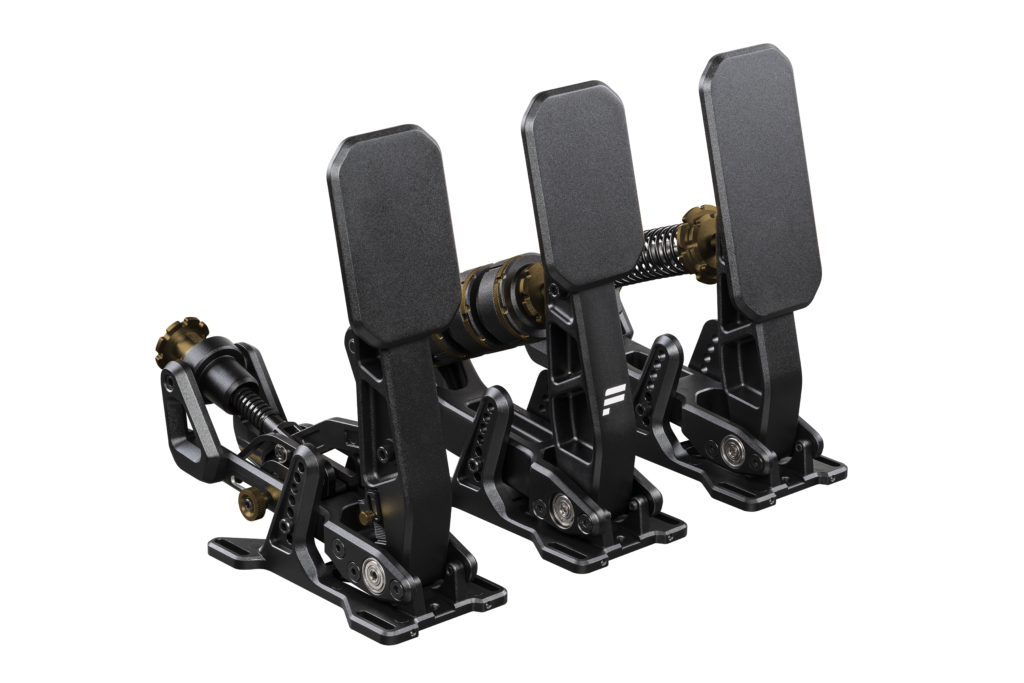
- Fanatec Podium Pedals
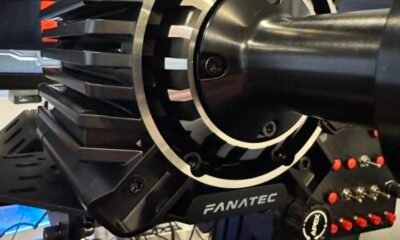
- Fanatec New Wheel Hub
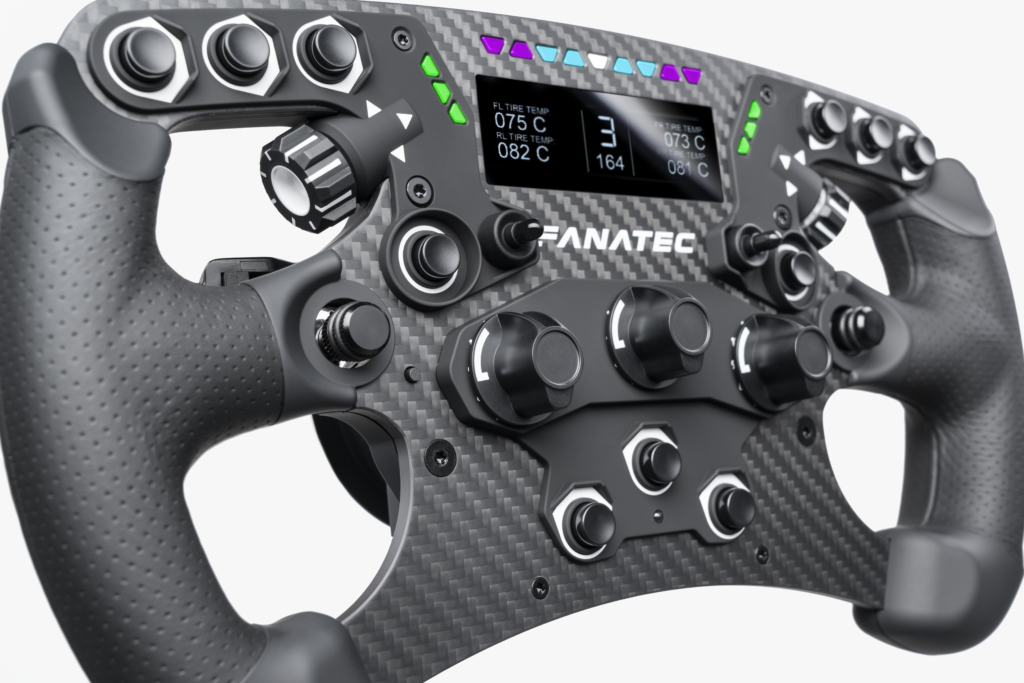
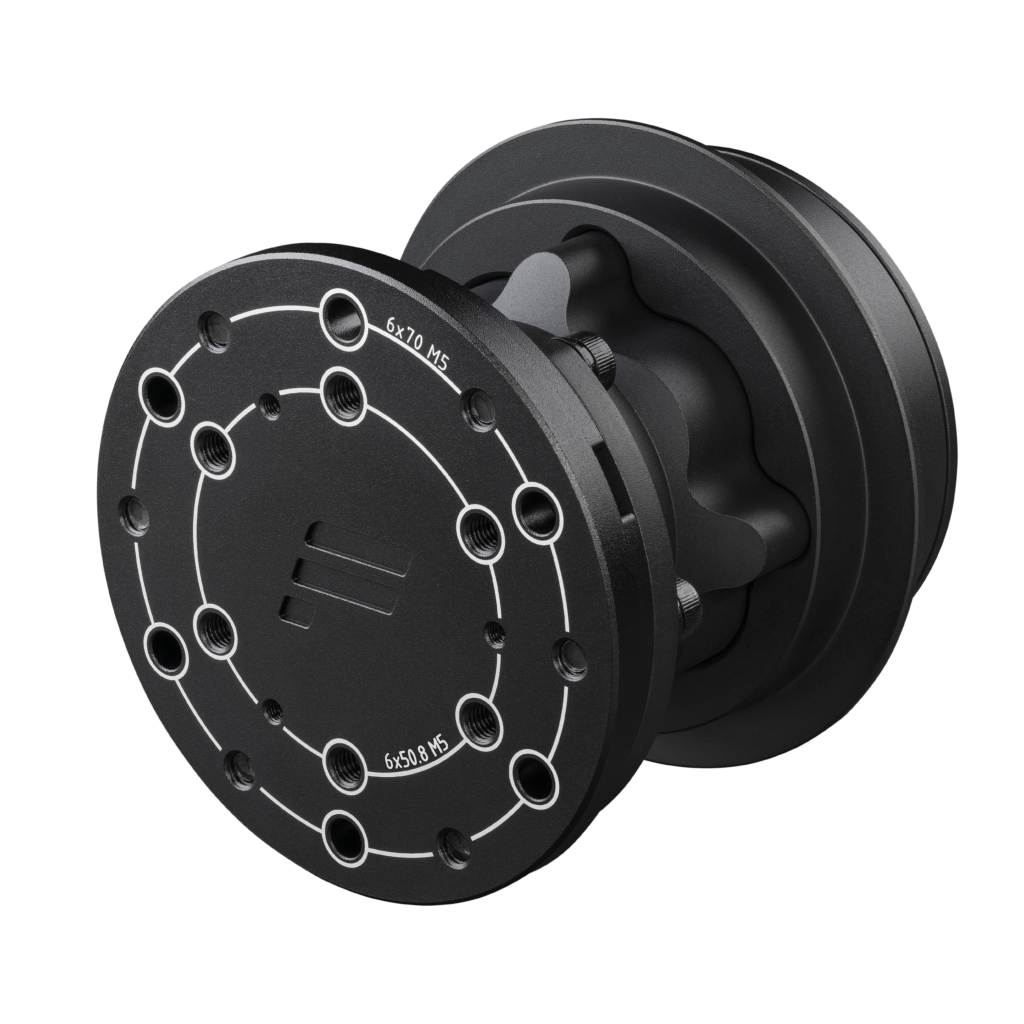
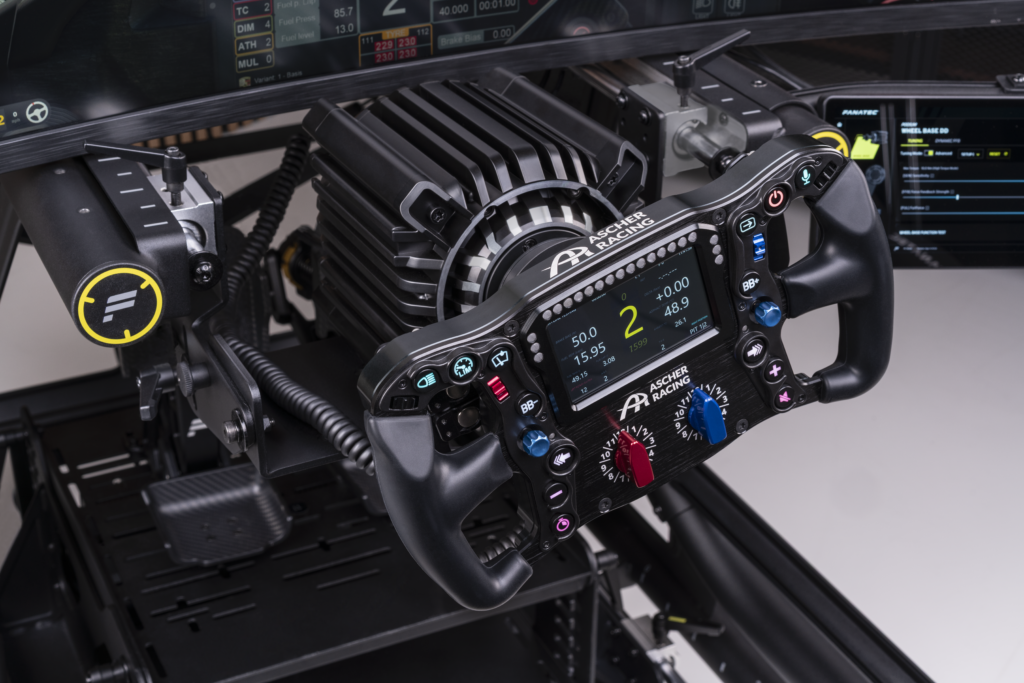
This is not just a refresh. It feels like Fanatec is making a statement: premium hardware, sharper design, and more options for racers who want top-tier performance.
If you want to browse the new releases directly, check them out here:
- Formula V3 Wheel Rim: https://fanatec.sjv.io/QYNBaA
- Podium Pedals: https://fanatec.sjv.io/rEzV9R
- New Wheel Hub: https://fanatec.sjv.io/jRnPN5
1. Formula V3 Wheel Rim: Built for Precision Racing
For Formula and GT drivers, steering wheel feel matters.
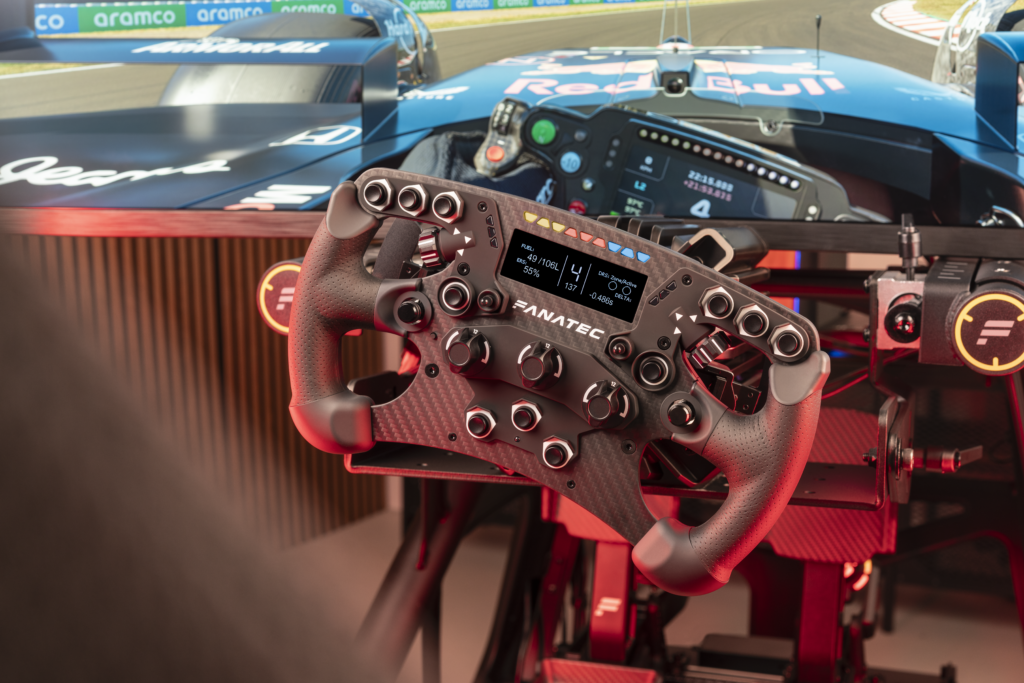
The new Formula V3 Wheel Rim looks like Fanatec’s next step forward in aggressive motorsport styling, ergonomic grip design, and sharper cockpit immersion. This is the kind of wheel that instantly changes how your rig feels the moment you bolt it on.
For racers who spend hours in:
- iRacing Formula series n- F1 titles
- GT3 sprint races
- LMP and prototype classes
…this could become one of the most desired Fanatec wheel releases in recent memory.
What stands out immediately is the modern race-inspired layout and purposeful design language.
See the Formula V3 here: https://fanatec.sjv.io/QYNBaA
2. Podium Pedals: Fanatec’s New Flagship Statement
Pedals win lap time.
Not flashy LED lights. Not hype. Not social media posts.
Pedals.
That’s why the reveal of the new Podium Pedals may actually be the biggest news of the three launches.
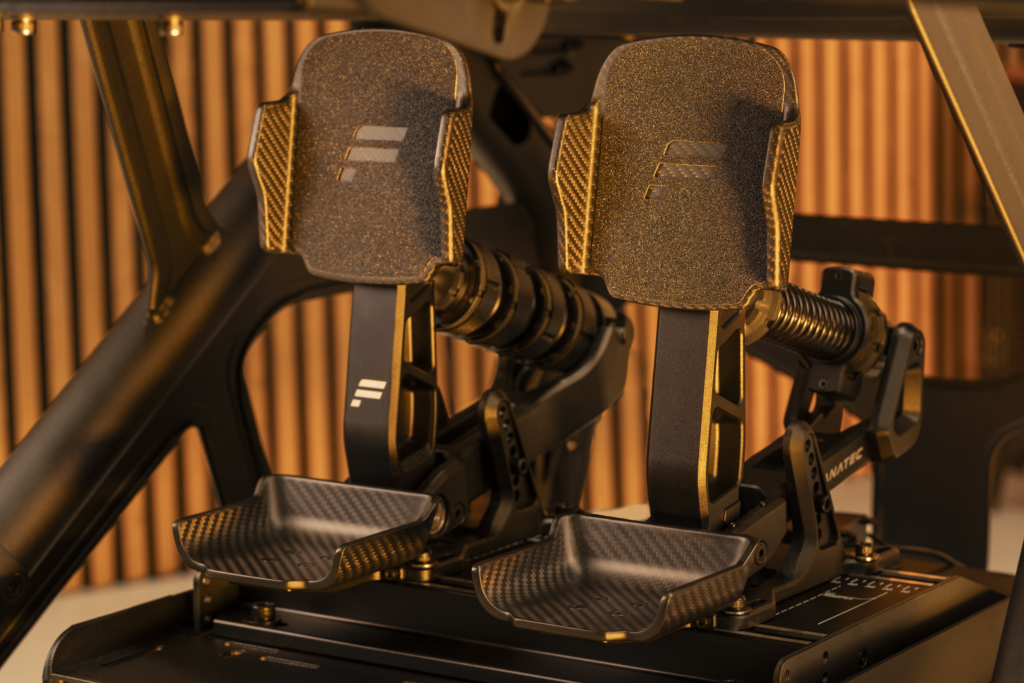
According to early reports, these pedals are positioned as Fanatec’s new flagship set, priced at $/€ 699.95, with shipping expected later this year.
That means Fanatec is aiming directly at serious sim racers who want:
- More precise braking consistency
- Better trail braking confidence
- Premium adjustability
- Stronger materials and long-term durability
- A true end-game pedal experience
If these deliver on feel, they could become a category leader very quickly.
View Podium Pedals here: https://fanatec.sjv.io/rEzV9R
3. New Wheel Hub: Quietly One of the Smartest Releases
Some upgrades get headlines.
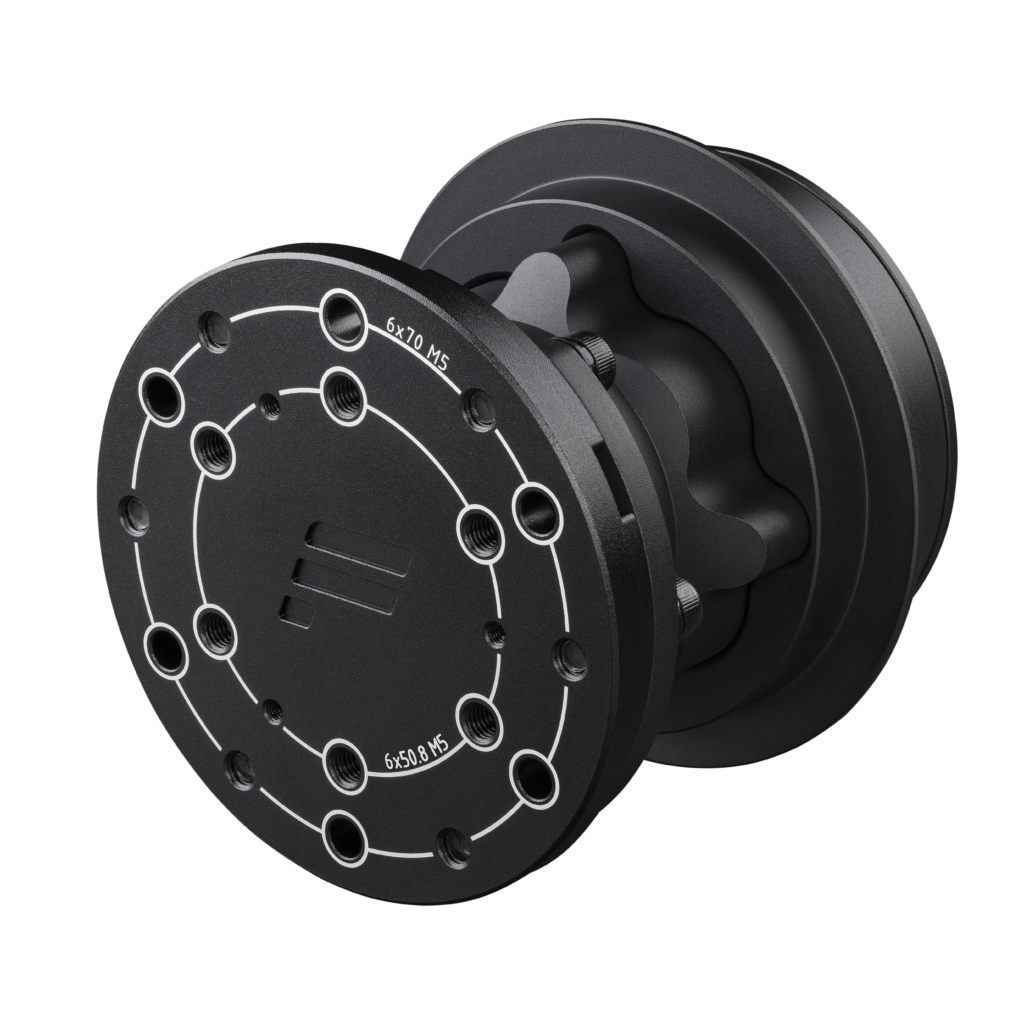
Others solve real problems.
The new Fanatec Wheel Hub could be one of the smartest launches today because hubs create flexibility inside an ecosystem.
A strong hub lets racers:
- Run different wheel rims
- Customize layouts
- Future-proof their setup
- Adapt for oval, GT, drifting, or formula use
- Maximize value from one base
For sim racers who like to tune their rig for multiple disciplines, this could be a sleeper hit.
See the new hub here: https://fanatec.sjv.io/jRnPN5
Why This Launch Matters More Than It Looks
Three products in one day tells a bigger story.
Fanatec appears focused on strengthening the full ecosystem:
- Better controls at your hands (wheel)
- Better control at your feet (pedals)
- Better customization in the middle (hub)
That matters because the best sim racing setups are systems—not random parts.
And Fanatec has always been strongest when every piece works together.
My Honest Take as a Sim Racer
As someone currently testing the new Podium DD wheelbase, what excites me most is momentum.
Fanatec feels active again.
New products, premium direction, and more choices for racers is exactly what the sim racing market needs. Competition improves everything.
If the quality matches the ambition of today’s launch, these products could be extremely popular.
Which One Should You Upgrade First?
If you race competitively:
Choose Podium Pedals first – biggest performance gain.
If you care about immersion and steering feel:
Choose Formula V3 Wheel Rim – daily enjoyment upgrade.
If you want versatility:
Choose the Wheel Hub – smartest long-term ecosystem move.
Final Thoughts
Today wasn’t just a product drop.
It was Fanatec reminding the sim racing world that they still know how to create excitement.
Three new releases. Multiple upgrade paths. Real performance potential.
That’s a good day for sim racers.
Browse all three products here:
- Formula V3 Wheel Rim: https://fanatec.sjv.io/QYNBaA
- Podium Pedals: https://fanatec.sjv.io/rEzV9R
- New Wheel Hub: https://fanatec.sjv.io/jRnPN5
FTC Disclosure: SKSimRacing.com uses affiliate links. If you purchase through links in this article, I may earn a commission at no extra cost to you. This helps support honest reviews, testing, and sim racing content.





When upgrading a sim racing setup, choosing the right VR headset is only part of the decision. Knowing whether the headset you want is actually in stock and ready to ship can matter just as much, especially when you are planning the rest of a new racing rig around it.
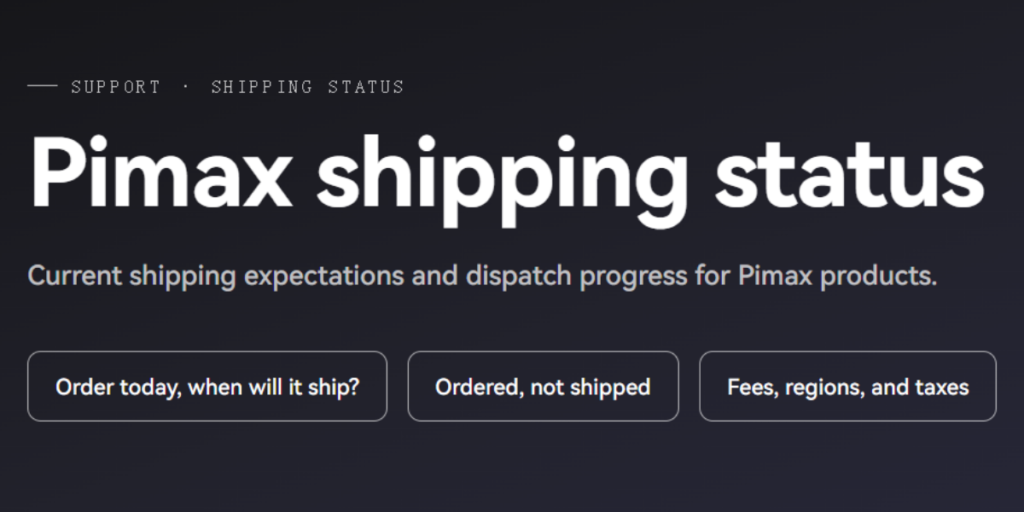
Pimax has now launched a new Shipping Status page where buyers can check regional stock, estimated fulfillment times, shipping costs and tax information before placing an order.
The page is updated weekly, making it easier to check the latest situation in your region rather than relying on a general shipping estimate.
Check the exact headset you want before ordering
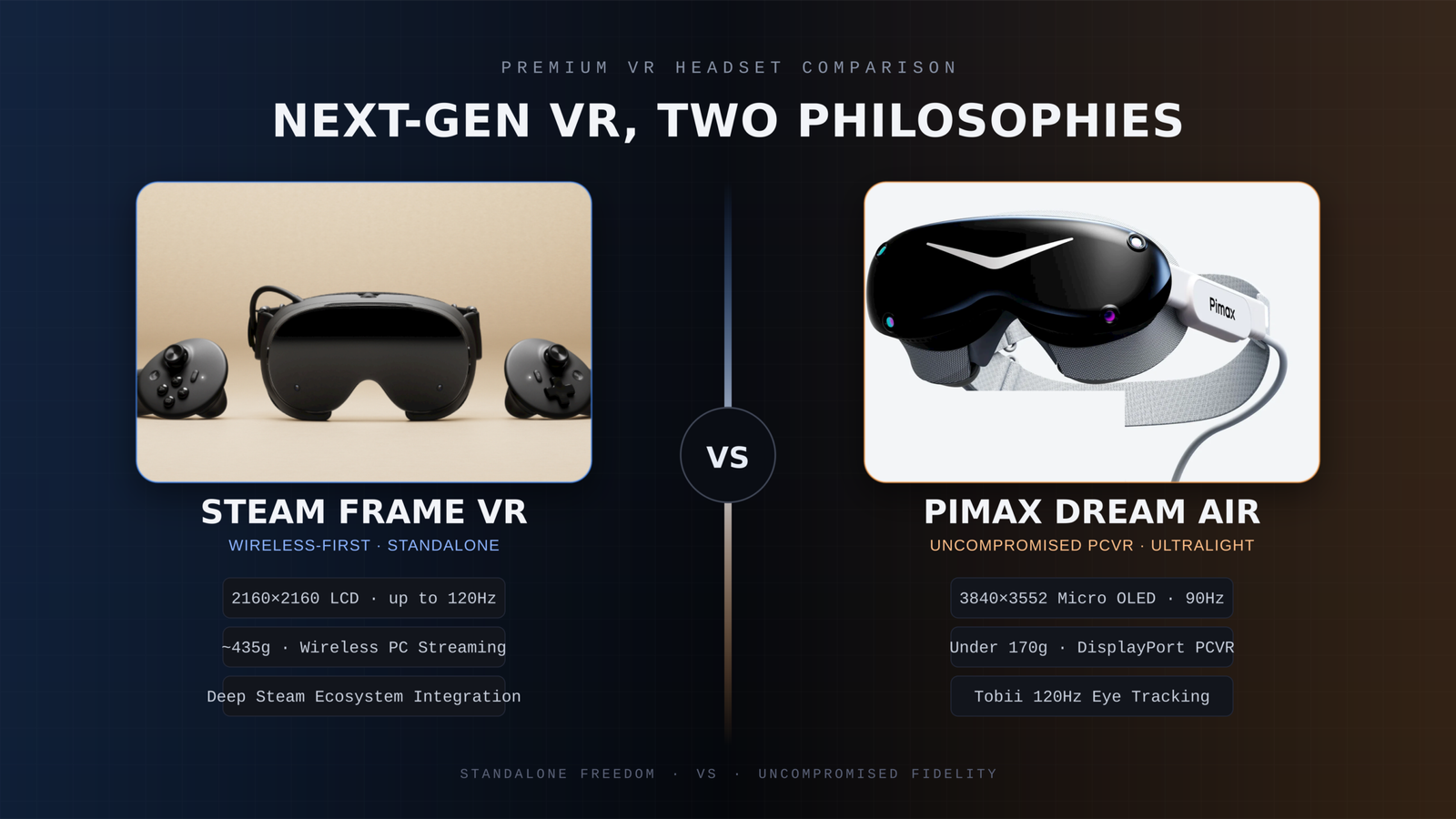
The page covers Pimax’s current PCVR lineup, including the Crystal Light, Crystal Super series and Dream Air.
Importantly, availability is shown by individual configuration. For the Crystal Super, for example, the 50PPD, 57PPD, Ultrawide and 8K OLED versions are listed separately.
That is useful for sim racers because these models offer very different approaches to VR racing. Whether you are prioritizing maximum clarity, a wider field of view or a lighter headset for longer sessions, you can check whether the exact version you want is currently available in your market.
When a product is available in regional inventory, Pimax currently estimates fulfillment within 3 to 5 business days after payment.
Actual delivery time will still depend on your location and local carrier.
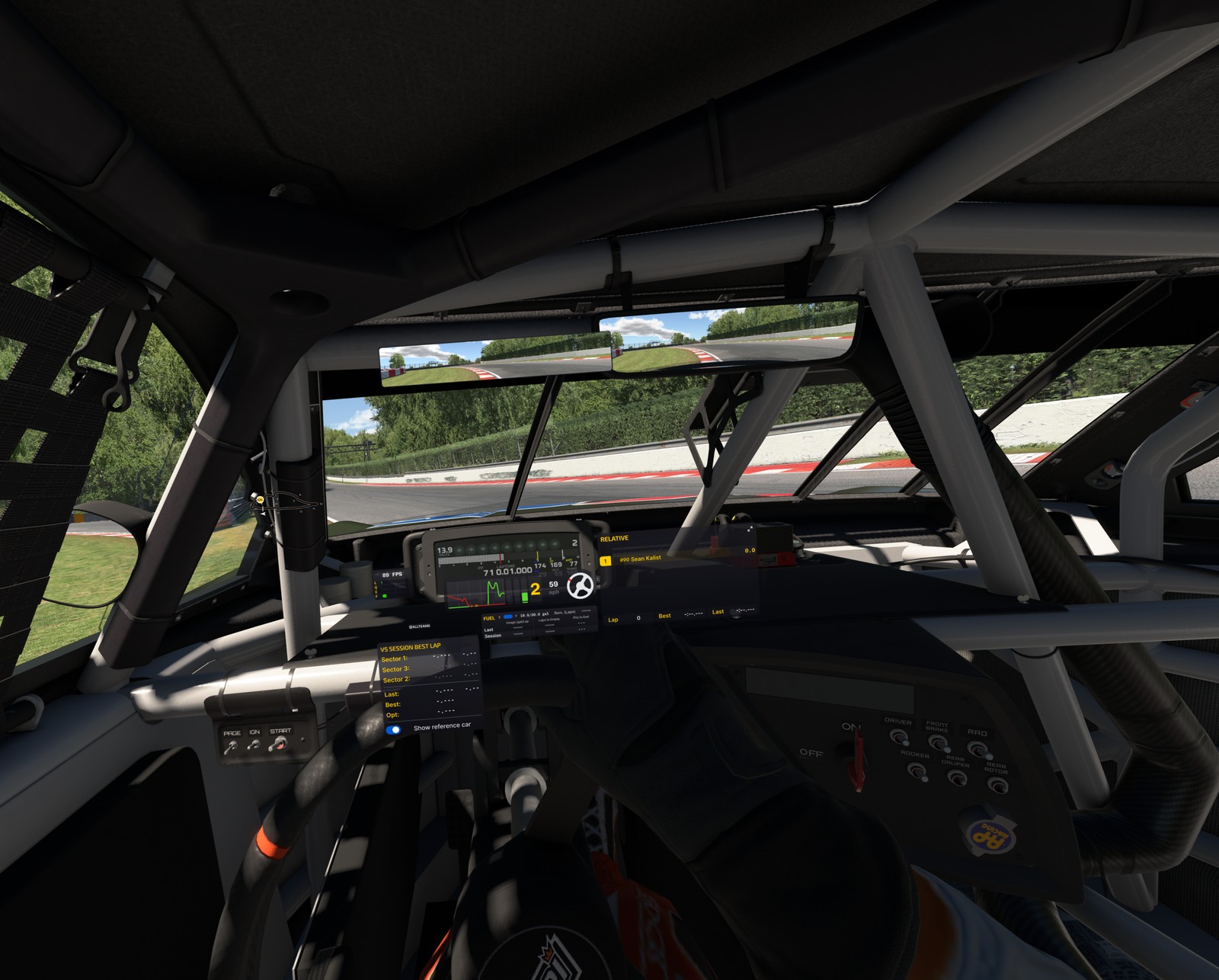
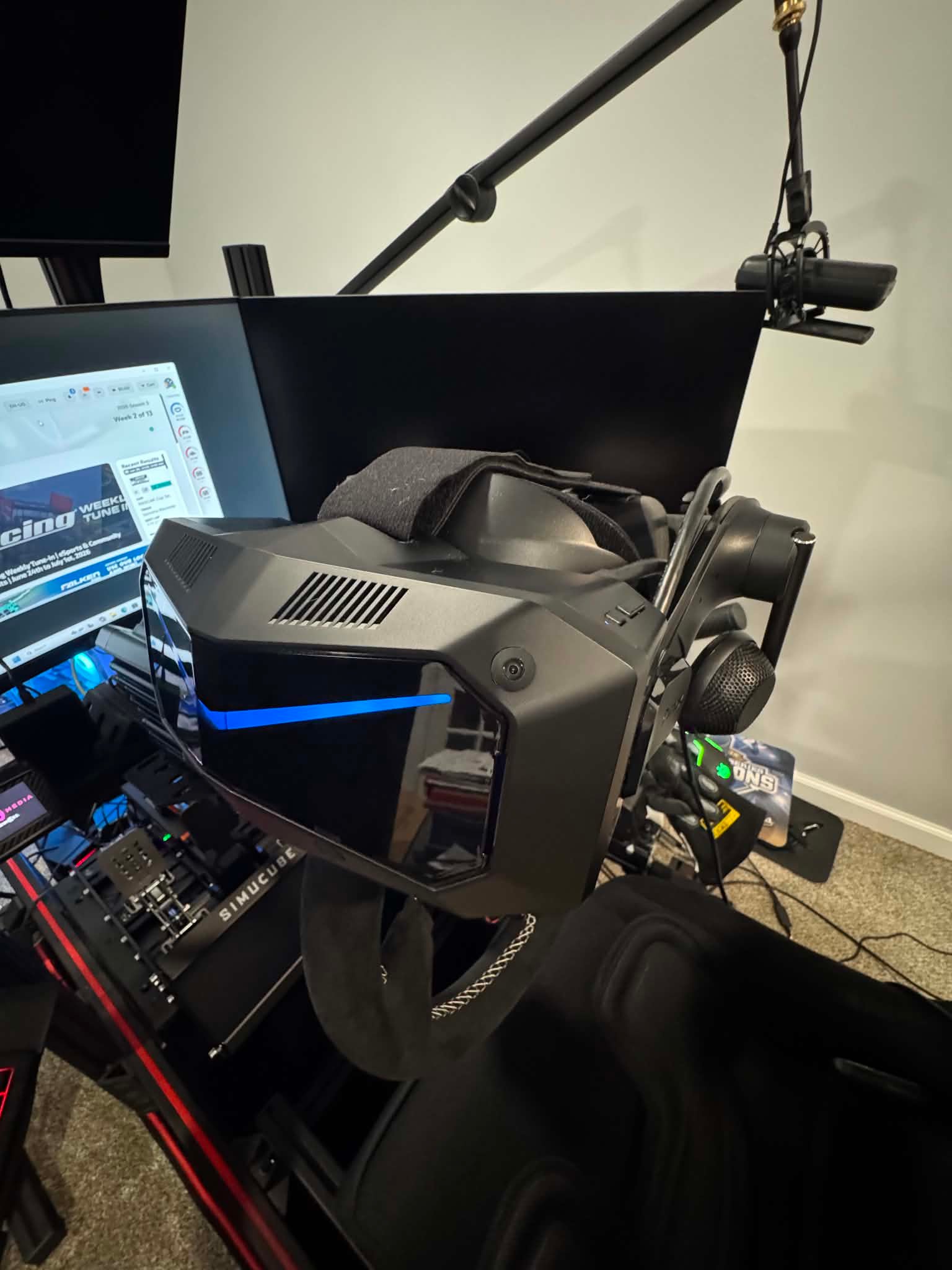
[Insert Image 2: Pimax headset or Crystal Super shown in a sim racing / iRacing setup]
Which warehouse your order ships from
Pimax also shows which warehouse serves each supported region.
Major markets including the United States, Canada, the UK, Australia, Japan, Mexico and the European Union are supported by local or nearby warehouses, while some other regions continue to be fulfilled from China.
This gives sim racers a better idea of where their headset will ship from and why delivery times may differ between markets.
Shipping fees and taxes
Shipping fees and tax handling are also listed by region, giving buyers a clearer picture of the total cost before reaching checkout.
For anyone planning to move into VR for iRacing, upgrade from an existing headset, or build a new dedicated racing cockpit, the new page makes it easier to plan the purchase before ordering.
Check the latest Pimax stock and shipping information here:
https://pimax.com/pages/shipping-status?ref=sksimracing
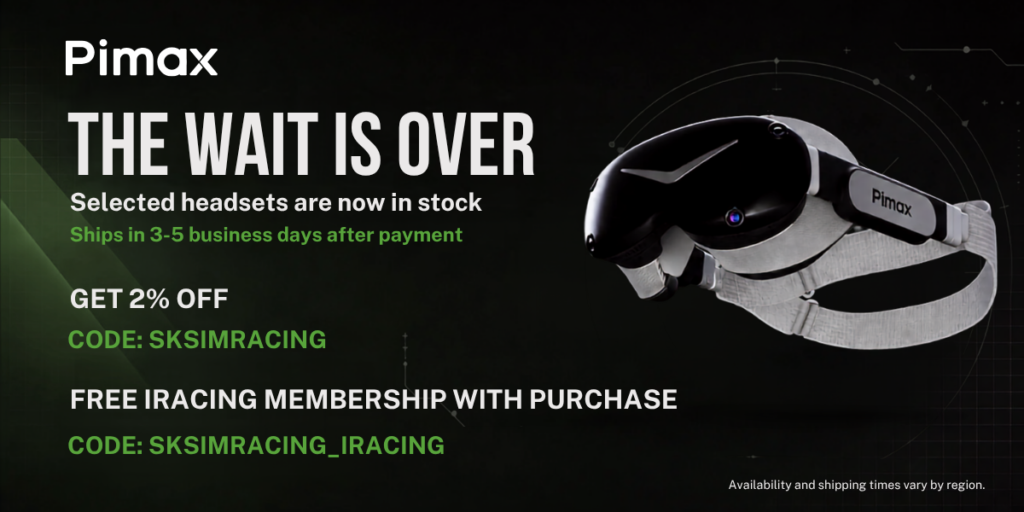
An extra iRacing bonus for SKSimRacing readers
There is also an additional offer aimed specifically at sim racers.
With a qualifying Pimax purchase, use code SKSIMRACING_IRACING to receive a free 12-month iRacing membership.
The offer is available to both new and existing iRacing users, making it useful whether you are just getting started or already racing regularly.
For the standard Pimax discount, SKSimRacing readers can also use code SKSIMRACING for 2% off eligible Pimax products.
Affiliate Disclosure: This article contains affiliate links. If you purchase through these links, SKSimRacing may earn a commission at no additional cost to you. Those commissions help support the reviews, testing, and content I create here on SKSimRacing.
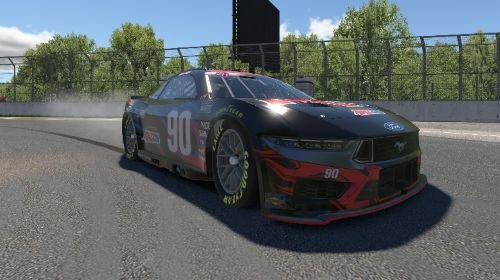
Stop Choosing by Price. Start Choosing by Experience.
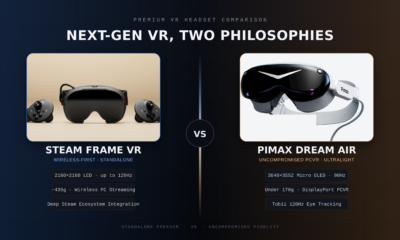
When people ask me which Pimax headset to buy, they almost always want a simple ranking. But after extended time with the Crystal Light, Crystal Super 57 PPD, and the Dream Air Lighthouse version, I’ve learned that’s the wrong approach.
Pimax didn’t create three versions of the same headset. They built three distinct PCVR experiences tailored to different priorities. There is no single “best” — only the best fit for how you actually use VR.
Do you race multi-hour NASCAR leagues in iRacing? Fly long missions in DCS or Microsoft Flight Simulator? Spend evenings in VRChat? Or are you looking for a serious step up from a Quest 3 for PCVR? Your real-world usage matters far more than the price tag.
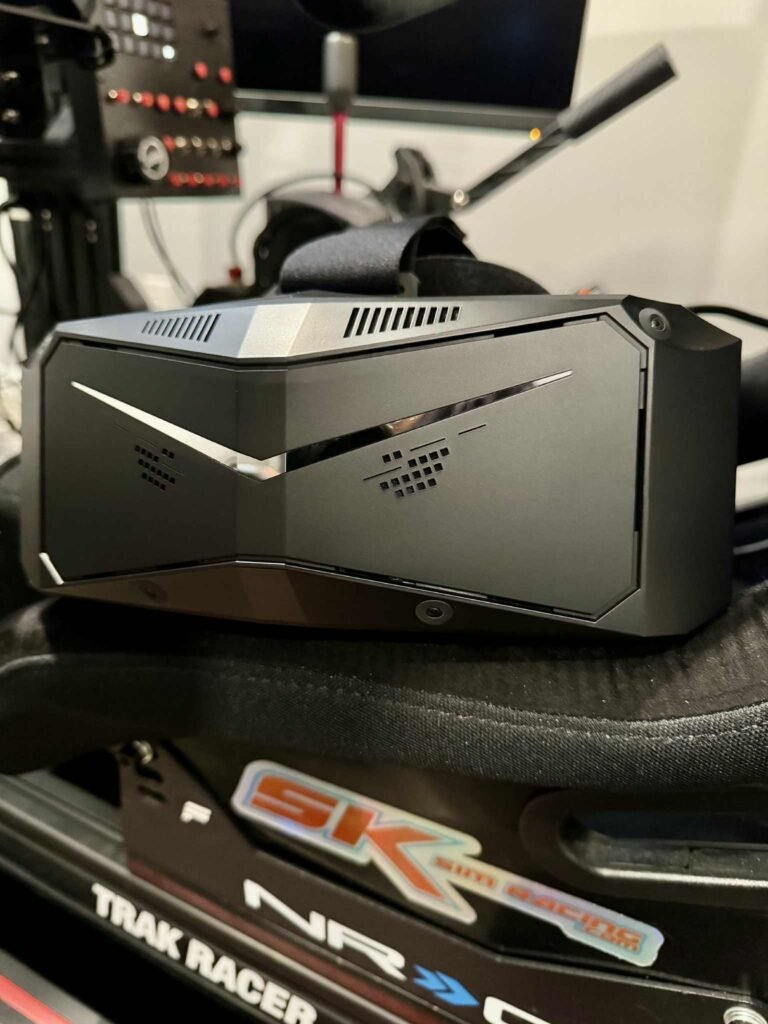
Crystal Light — The Smart Upgrade Into Serious PCVR
Main Advantage: Excellent balance of clarity, tracking, and performance at a reasonable price and with manageable hardware demands.
Actual User Experience: The Crystal Light delivers sharp, usable visuals right out of the gate. Braking boards are easier to read, distant cars are clearer, and the cockpit feels more three-dimensional and alive in sim racing titles. Tracking is reliable, and the headset runs well on mid-to-high-end PCs without pushing your system to its limits. It never felt like a compromise — it simply worked well for focused sim racing sessions.
Limitations: It doesn’t reach the absolute peak sharpness or refinement of the higher-end models. Some users chasing maximum fidelity may eventually want more.
Best For: Most sim racers and PCVR enthusiasts stepping up from a Quest 3 or older headset who want strong performance and great value without over-spending or over-stressing their PC.
👉 Learn more about the Crystal Light
Dream Air — The Headset That Made Me Forget I Was Wearing One
Main Advantage: Outstanding long-session comfort due to its extremely low weight.
Actual User Experience: After about three hours in iRacing with the Lighthouse version, I realized I had stopped noticing the headset entirely. No pressure points, no constant micro-adjustments, no fatigue that usually builds up. The hardware disappears, leaving you fully immersed in the race or simulation. This is a game-changer for anyone whose sessions are limited more by comfort than by time or hardware.
Limitations: Visual performance is strong but does not match the Crystal Super’s level of sharpness and detail. It’s optimized around comfort first.
Best For: Users who prioritize extended comfort for long VR sessions (multi-hour racing, flight sims, or social VR) and want to reduce fatigue as much as possible.
👉 Learn more about the Dream Air
Crystal Super — The Pursuit of Maximum Performance
Main Advantage: Highest visual fidelity, wider FOV options and refinement available in the current Pimax lineup.
Actual User Experience: The improvements over the Crystal Light are subtle at first but compound over time: sharper distant details, cleaner cockpit instruments, easier focus, and greater confidence in close racing. It rewards high-end PCs (especially with powerful GPUs like an RTX 5090) and delivers the most immersive, detailed view. It doesn’t deliver one big “wow” — it delivers better performance across hours of use.
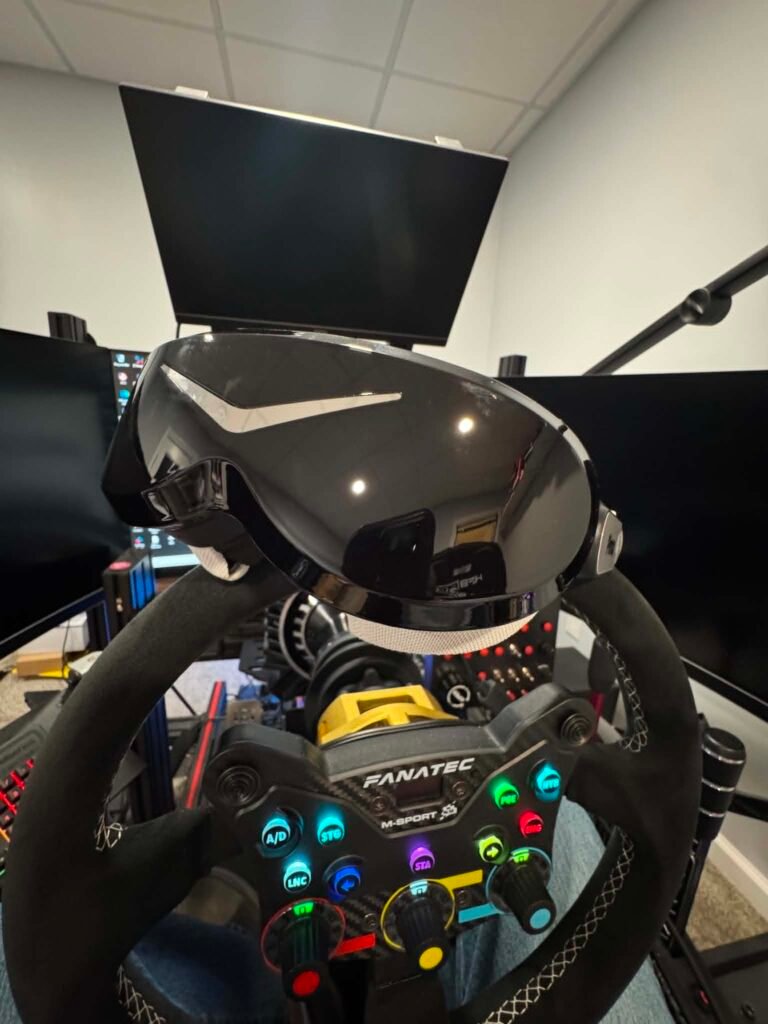
Limitations: Higher price and more demanding on your PC hardware. The visual gains are most noticeable to dedicated enthusiasts rather than casual users.
Best For: Serious sim racers and enthusiasts who want the absolute best image quality their PC can deliver and are willing to invest in both the headset and supporting hardware. The Super Also Comes in wider FOV options. There’s an Ultrawide, 57 PPD, 50 PPD, and 8K Micro OLED version.
Which One Fits Your Style?
| Your Priority | Recommended Headset |
|---|---|
| Best value + solid enthusiast PCVR upgrade | Crystal Light |
| Maximum long-session comfort | Dream Air |
| Absolute best visuals and refinement | Crystal Super |
Short FAQ
Q: Is there one universally best Pimax headset? A: No. Each model targets different priorities — value/performance balance, comfort, or maximum visuals.
Q: Can the Crystal Light satisfy most users? A: Yes, especially sim racers moving up from a Quest 3. It’s the one I recommend most often for its strong all-around performance.
Q: How important is PC hardware? A: Very. The Crystal Super and Dream Air benefits most from top-tier GPUs, while the Crystal Light is more forgiving.
Q: Which is best for iRacing or sim racing specifically? A: Crystal Light for most racers, Crystal Super for those chasing every visual edge, and Dream Air if fatigue limits your seat time.
My Personal Take After Using All Three
The Crystal Light showed me how capable and accessible high-quality PCVR has become. The Dream Air proved that comfort is a legitimate performance factor in long sessions. The Crystal Super demonstrated what happens when you push visual quality as far as current technology allows.
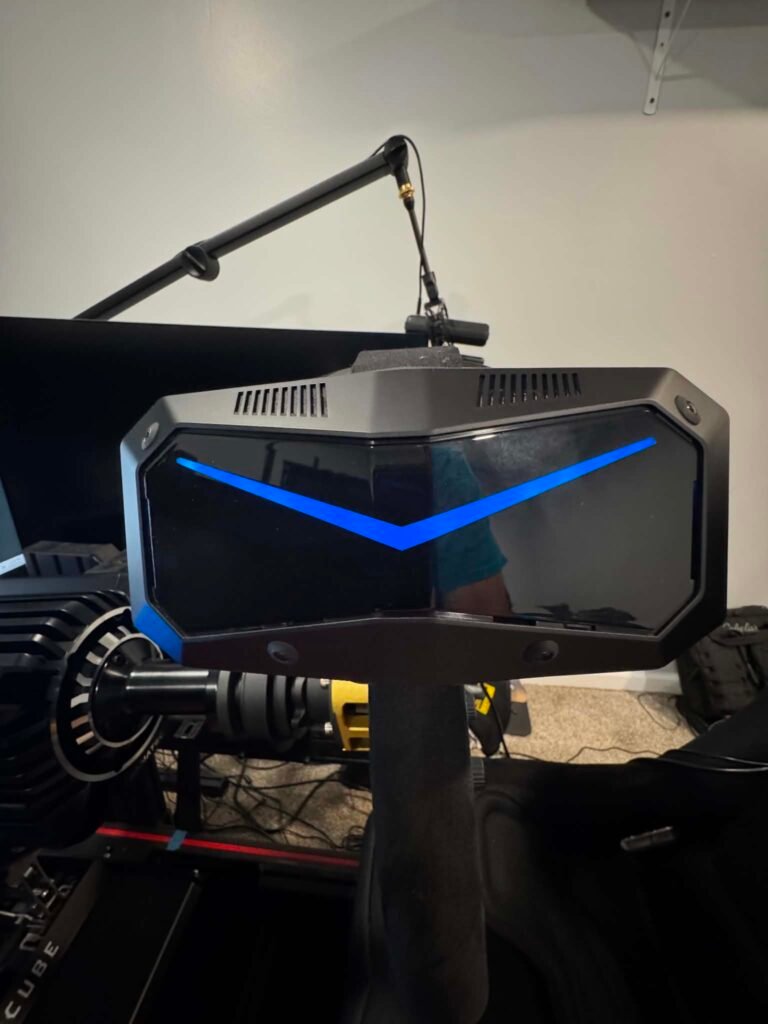
These aren’t competing versions of the same product — they’re three different paths into premium PCVR.
Final Thoughts & Recommendations
Don’t start your decision with budget. Start with the experience you want every time you put the headset on.
- 🏁 Crystal Light – My top recommendation for most sim racers looking for a smart, high-value upgrade into enthusiast PCVR.
- ☁️ Dream Air – Choose this first if long-session comfort is your biggest pain point.
- 🚀 Crystal Super – Go here if you want to maximize image quality and have the PC to support it.
Whichever you choose, you’re getting a headset built around a clear philosophy rather than just incremental upgrades. Match the headset to how you actually use VR, and you’ll be far more satisfied with the result.
Remember, if you make a purchase, enter code Sksimracing_iRacing , This will allow you to receive a 12 month subscription to iRacing, with your Pimax Purchase. This is good till September 30 2026.
Affiliate Disclosure: This article contains affiliate links. If you purchase through these links, SKSimRacing may earn a commission at no additional cost to you. Those commissions help support the reviews, testing, and content I create here on SKSimRacing.
Media Disclosure: SKSimRacing has permission from Pimax to use product images and promotional materials featured in this article.
-
 Featured3 years ago
Rev Up Your Sim Racing Experience with SK Sim Racing: Discover High-Quality Sim Wheels, Pedals, Shifters & More – Exclusive Discounts and Offers Await!
-
 Products3 years ago
Boost Your Sim Racing Experience with Exclusive Deals from Fanatec, Digital-Motorsports, Demon-Tweeks, Ricmotech & Trak Racer
-
 Featured5 years ago
Rev Up with The Oval Wheel: Unleash the Thrill of Racing
-
 Featured3 years ago
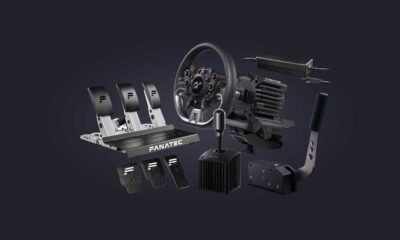
Fanatec Sim Racing Wheel Ultimate Buyer’s Guide 2024-2025
-
 Sim Racing3 years ago
Experience the Thrill of Virtual Racing: Unlocking the Exciting World of Sim Racing and Beyond!
-
 Featured6 years ago
New Rig Build
-
 Featured6 years ago
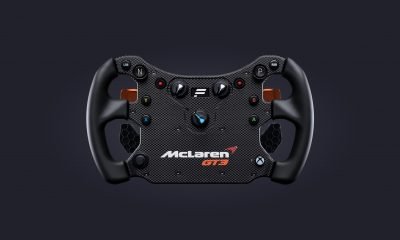
Fanatec CSL Elite Steering Wheel McLaren GT3 V2
-
 Products6 years ago
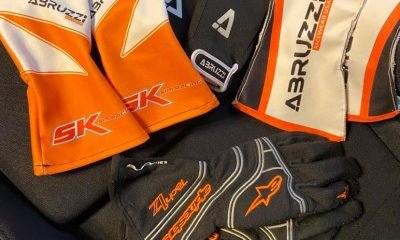
Sim Racing Gloves