
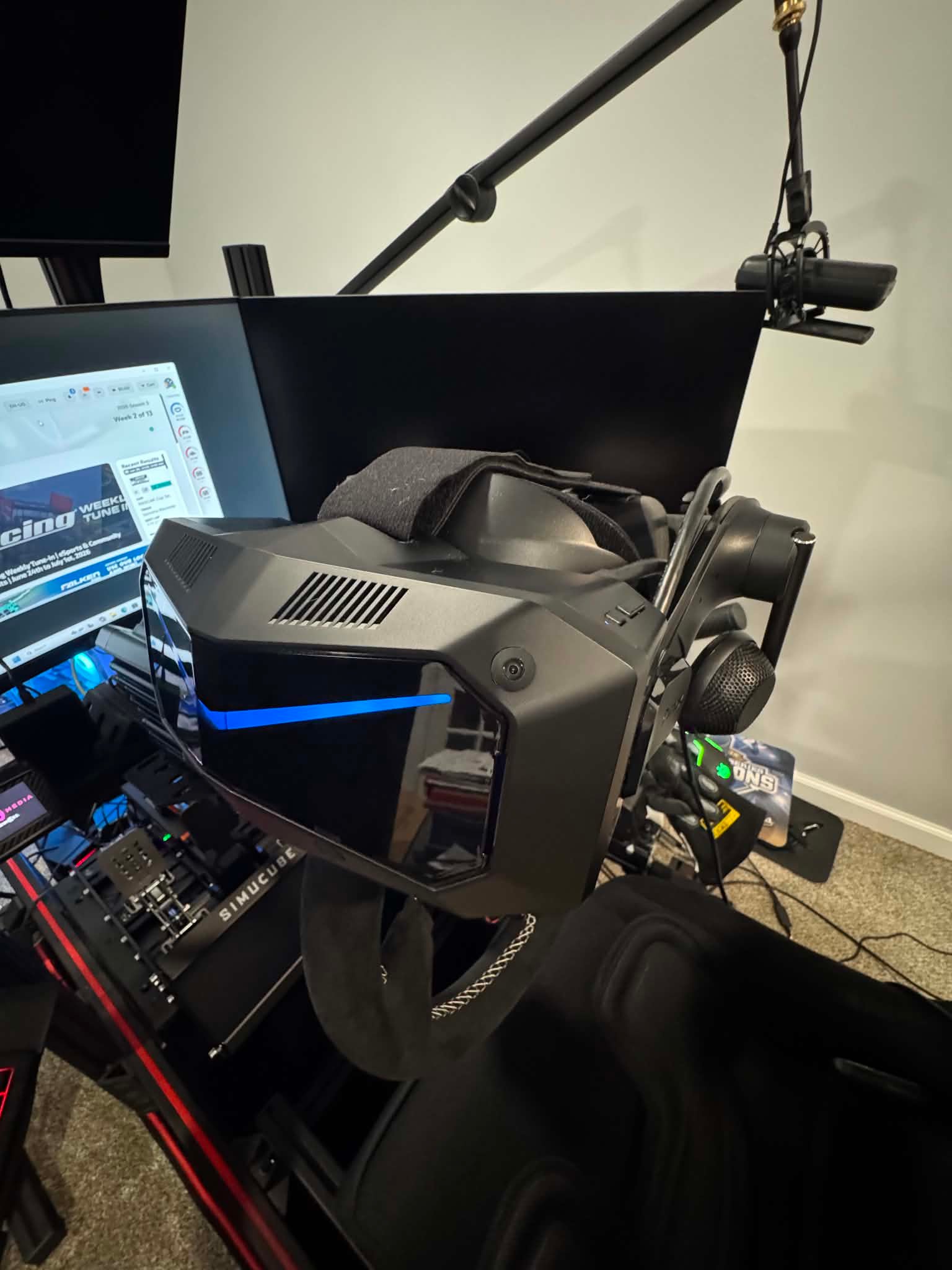
Featured
Is the Pimax Crystal Super Overkill for Most Sim Racers? After Several Hours in the 57 PPD Version, Here’s My Honest Opinion
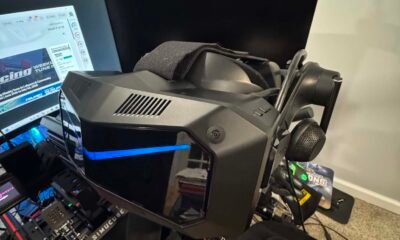
Is the Pimax Crystal Super 57 PPD more VR headset than most sim racers actually need, or does it deliver meaningful advantages that only become apparent after hours behind the wheel? After spending several sessions racing in iRacing with the Crystal Super—equipped with DMAS headphones and the Ice Silk Facial Foam—I came away with a very different opinion than I expected. Here’s why “overkill” may not be the right word after all.

The Question I Kept Asking Myself
When I thought about whether the Crystal Super is “overkill” for sim racers, my first reaction was simple:
Probably.
After all, I had already spent a lot of time with the Crystal Light.
The Crystal Light is excellent.
It has become one of my favorite VR headsets for iRacing because it strikes an outstanding balance between clarity, performance, and value.
So naturally I wondered…
How much better could the Crystal Super really be?
After several hours using the 57 PPD Crystal Super, I don’t think the answer is as simple as yes or no.
👉 Learn more about the Crystal Super:
https://pimax.com/products/pimax-crystal-super?ref=sksimracing&utm_campaign=affiliate_promotions&utm_medium=affiliate&utm_source=goaffpro&variant=42548234190891
First Impressions Can Be Misleading
When people first put on a premium VR headset, they’re usually looking for a dramatic “wow” moment.
That’s actually not what happened to me.
Instead, the improvements revealed themselves gradually.
After a few laps…
After a few battles…
After settling into traffic…
I realized something interesting.
I wasn’t noticing one huge improvement.
I was noticing dozens of little improvements.
And those small improvements started adding up.
The Difference Isn’t Just Resolution
Obviously the Crystal Super is incredibly sharp.
That’s expected.
But what surprised me wasn’t simply the amount of detail.
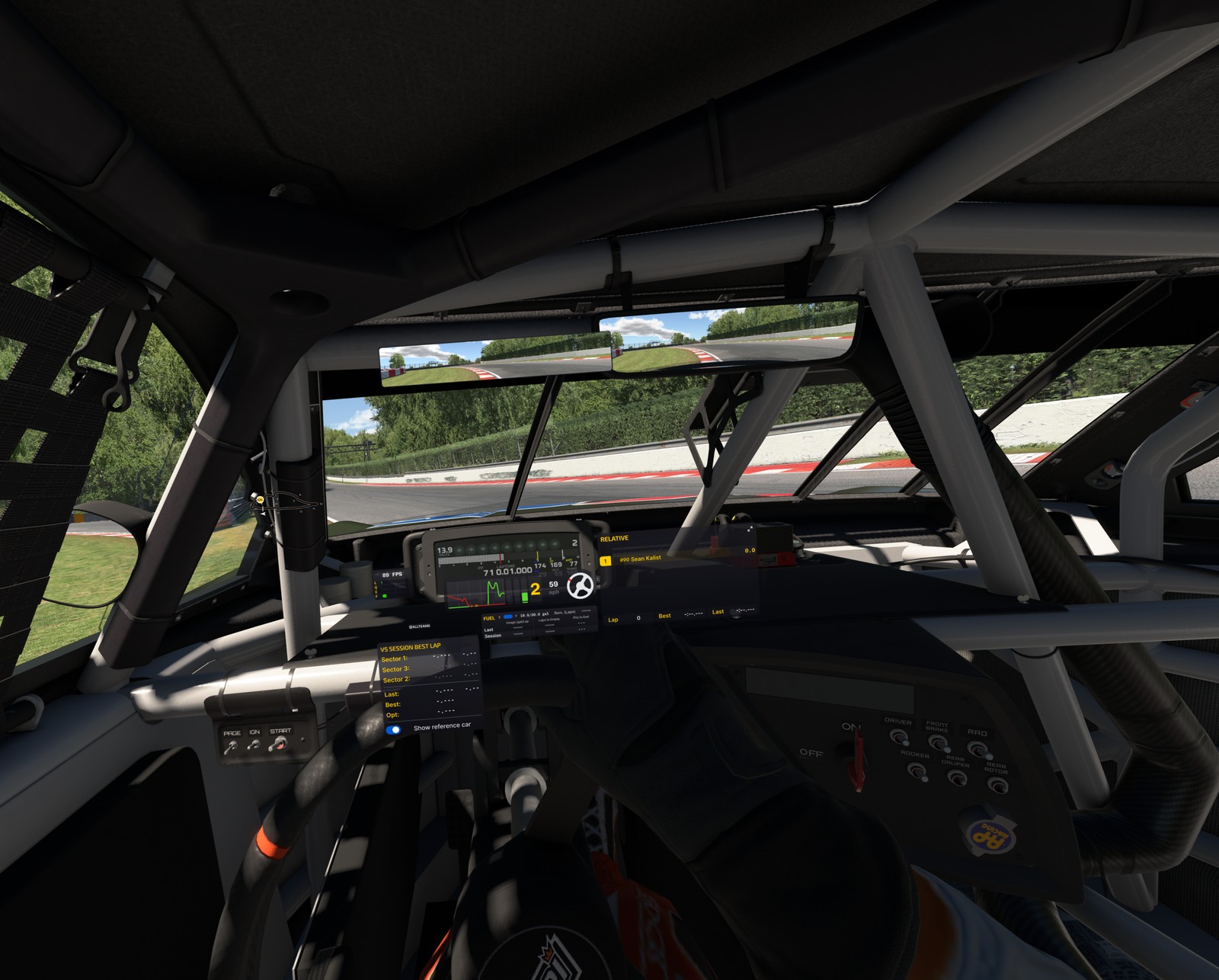
It was how effortless it became to process everything happening around me.
Cars farther ahead remained easier to identify.
Trackside reference points stayed incredibly crisp.
Dashboard information felt almost effortless to read.
I wasn’t constantly refocusing my eyes.
Everything simply looked… natural.
The 57 PPD Experience
The 57 PPD version isn’t chasing impressive specifications for their own sake.
Instead, the higher pixel density changes how your brain processes the race.
You’re no longer trying to interpret blurry information.
You’re simply driving.
That distinction became more noticeable the longer I raced.
The headset almost disappears because your eyes stop working as hard.
The Unexpected Comfort Upgrade
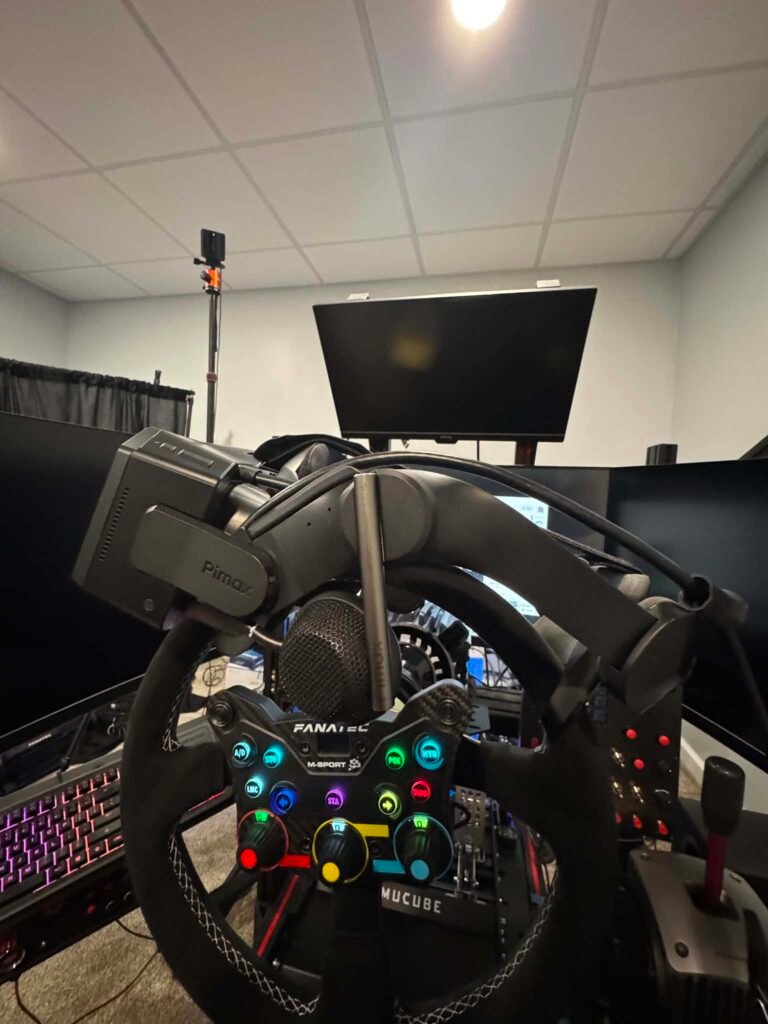
One thing worth mentioning is my setup.
For these sessions I installed:
Honestly, I think both are worthwhile upgrades.
The DMAS headphones provide fuller, more immersive audio while eliminating the need for separate headphones.
The Ice Silk Facial Foam may sound like a small accessory, but after several hours it makes a noticeable difference.
Heat buildup is reduced.
The interface feels cooler against your face.
It’s a simple change that contributes to long-session comfort.
As someone who frequently spends multiple hours in iRacing, those little improvements matter.
Is This Where “Overkill” Stops Being Overkill?
Here’s where my opinion changed.
If your goal is simply to experience VR…
Yes.
The Crystal Super is probably more than you need.
But serious sim racing isn’t about simply experiencing VR.
It’s about reducing distractions.
Every improvement that lets you focus more on driving has value.
The Crystal Super doesn’t make me faster overnight.
What it does is remove friction.
Less eye strain.
Less visual uncertainty.
Less effort interpreting distant objects.
More confidence.
Those things accumulate over a two-hour race.
What Stood Out Most During Racing
The biggest surprise wasn’t the center of the image.
It was consistency across my entire field of view.
During side-by-side racing I wasn’t constantly moving my head trying to verify what I was seeing.
Everything stayed remarkably clear.
That helped in several situations where I felt comfortable committing to a line because I trusted the information I was receiving.
That’s difficult to quantify.
But it’s something you absolutely notice.
Crystal Light vs Crystal Super
This is probably the question everyone wants answered.
Here’s how I currently see it.
| Crystal Light | Crystal Super 57 PPD |
|---|---|
| Outstanding value | Premium no-compromise experience |
| Easier on GPU requirements | Maximum visual fidelity |
| Excellent for most racers | Built for enthusiasts chasing every advantage |
| My recommendation for many users | My recommendation if budget isn’t the limiting factor |
Would I still recommend the Crystal Light?
Absolutely.
In fact, for many readers it’s probably still the smarter purchase.
But after spending real time inside the Crystal Super, I understand exactly who it’s built for.
Who Should Buy the Crystal Super?
I think the Crystal Super makes the most sense if you:
- Race multiple nights every week.
- Spend hours at a time in VR.
- Already own a high-end PC.
- Value visual clarity as much as force feedback.
- Want to build a long-term cockpit without wondering “what if.”
If that sounds like you…
No.
I don’t think it’s overkill.
I think it’s exactly what Pimax intended it to be.
My Biggest Takeaway
If you’d asked me before trying it, I would have said the Crystal Super was probably beyond what most sim racers needed.
After actually racing with it…
My opinion changed.
Not because of one spectacular feature.
But because of how many tiny improvements quietly disappeared into the background until all that was left was the race.
The headset stopped being something I was evaluating.
It became something I trusted.
And for me, that’s the highest compliment I can give any piece of sim racing hardware.
Final Verdict
Is the Crystal Super overkill?
For casual VR users?
Probably.
For someone who races iRacing once a month?
Maybe.
For someone who spends several nights a week chasing hundredths of a second, building a dedicated cockpit, and wanting the most refined visual experience available today?
I don’t think “overkill” is the right word anymore.
I think it’s purpose-built.
👉 If you’d like to learn more about the Crystal Super or see the latest configurations, you can check them out here: https://pimax.com/pages/pimax-crystal-super?ref=sksimracing
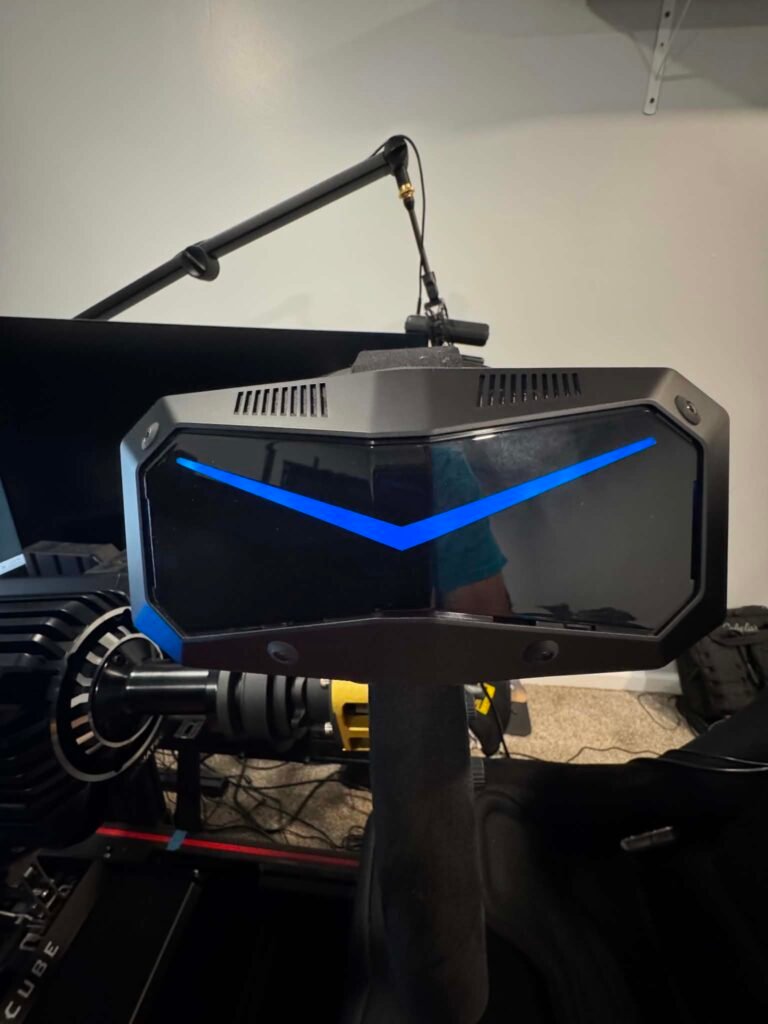
I’ll continue putting more hours on the Super as well as the “Dream Air” headset over the coming weeks, including longer NASCAR races, road courses, and endurance sessions. As I spend more time with it, I’ll be sharing additional impressions here on SKSimRacing.
Affiliate Disclosure: This article contains affiliate links. If you purchase through these links, SKSimRacing may earn a commission at no additional cost to you. These partnerships help support the reviews and testing you see on this site.
Media Disclosure: SKSimRacing has permission from Pimax to use product images and promotional materials featured in this article.





When upgrading a sim racing setup, choosing the right VR headset is only part of the decision. Knowing whether the headset you want is actually in stock and ready to ship can matter just as much, especially when you are planning the rest of a new racing rig around it.
Pimax has now launched a new Shipping Status page where buyers can check regional stock, estimated fulfillment times, shipping costs and tax information before placing an order.
The page is updated weekly, making it easier to check the latest situation in your region rather than relying on a general shipping estimate.
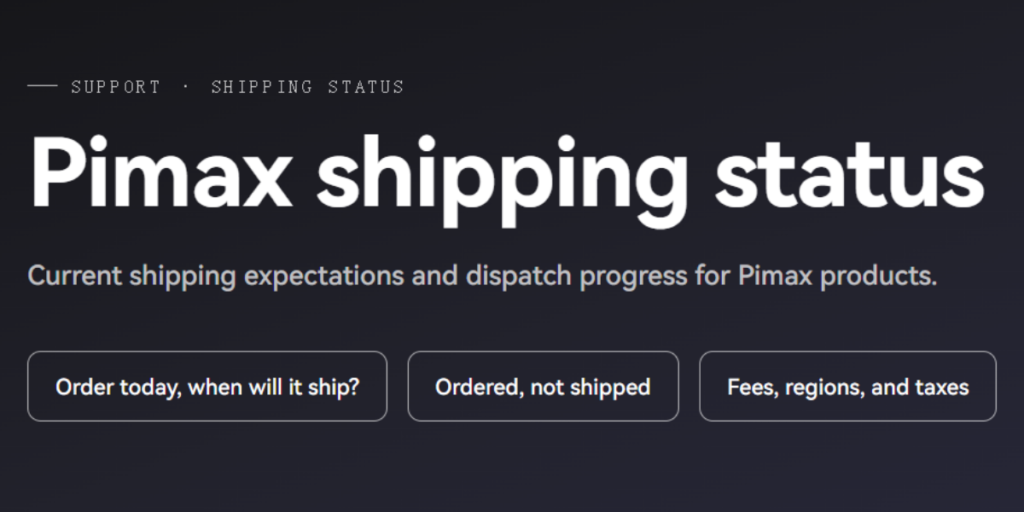
Check the exact headset you want before ordering
The page covers Pimax’s current PCVR lineup, including the Crystal Light, Crystal Super series and Dream Air.
Importantly, availability is shown by individual configuration. For the Crystal Super, for example, the 50PPD, 57PPD, Ultrawide and 8K OLED versions are listed separately.
That is useful for sim racers because these models offer very different approaches to VR racing. Whether you are prioritizing maximum clarity, a wider field of view or a lighter headset for longer sessions, you can check whether the exact version you want is currently available in your market.
When a product is available in regional inventory, Pimax currently estimates fulfillment within 3 to 5 business days after payment.
Actual delivery time will still depend on your location and local carrier.
[Insert Image 2: Pimax headset or Crystal Super shown in a sim racing / iRacing setup]
Which warehouse your order ships from
Pimax also shows which warehouse serves each supported region.
Major markets including the United States, Canada, the UK, Australia, Japan, Mexico and the European Union are supported by local or nearby warehouses, while some other regions continue to be fulfilled from China.
This gives sim racers a better idea of where their headset will ship from and why delivery times may differ between markets.
Shipping fees and taxes
Shipping fees and tax handling are also listed by region, giving buyers a clearer picture of the total cost before reaching checkout.
For anyone planning to move into VR for iRacing, upgrade from an existing headset, or build a new dedicated racing cockpit, the new page makes it easier to plan the purchase before ordering.
Check the latest Pimax stock and shipping information here:
https://pimax.com/pages/shipping-status?ref=sksimracing
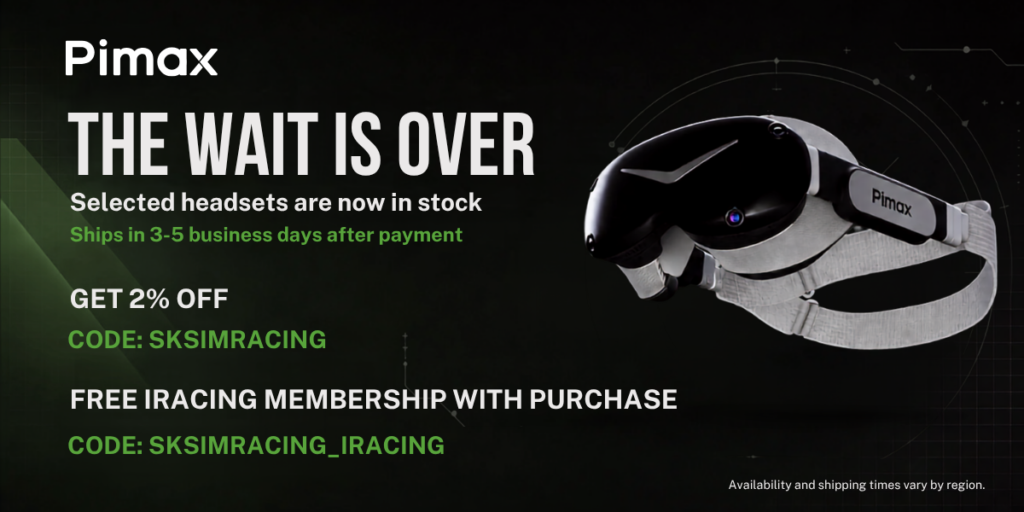
An extra iRacing bonus for SKSimRacing readers
There is also an additional offer aimed specifically at sim racers.
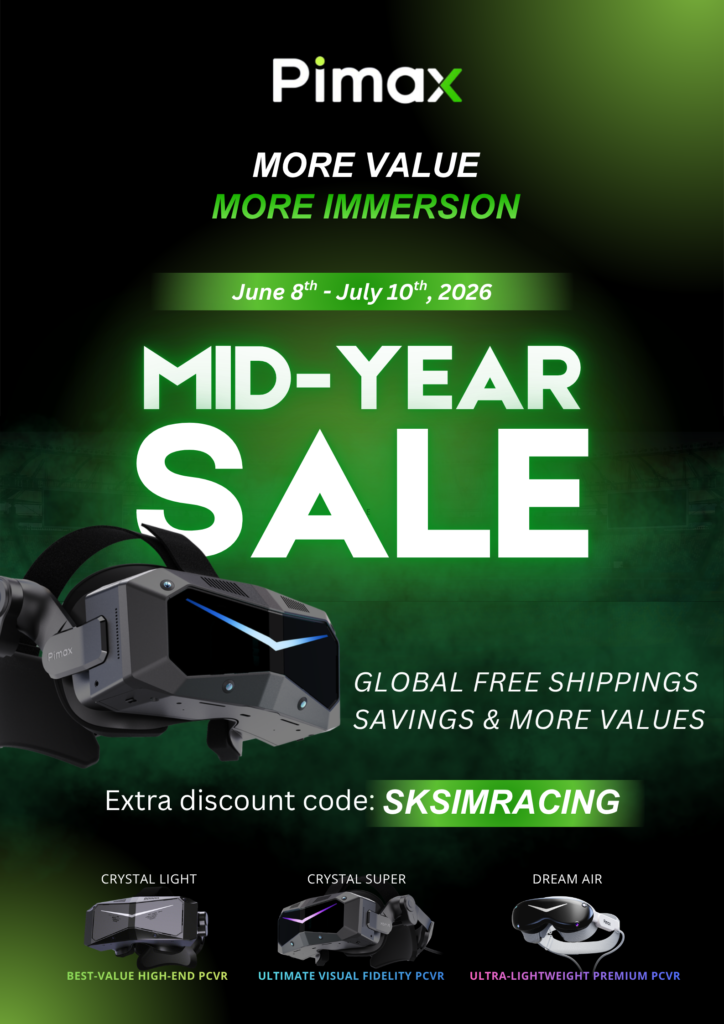
With a qualifying Pimax purchase, use code SKSIMRACING_IRACING to receive a free 12-month iRacing membership.
The offer is available to both new and existing iRacing users, making it useful whether you are just getting started or already racing regularly.
For the standard Pimax discount, SKSimRacing readers can also use code SKSIMRACING for 2% off eligible Pimax products.
Affiliate Disclosure: This article contains affiliate links. If you purchase through these links, SKSimRacing may earn a commission at no additional cost to you. Those commissions help support the reviews, testing, and content I create here on SKSimRacing.
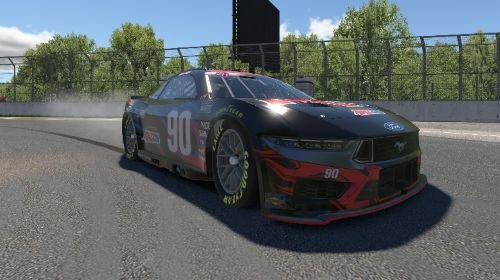
Stop Choosing by Price. Start Choosing by Experience.
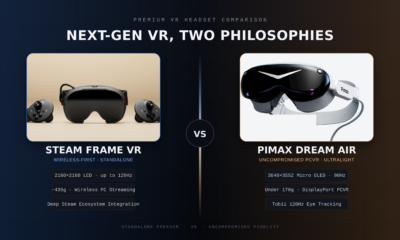
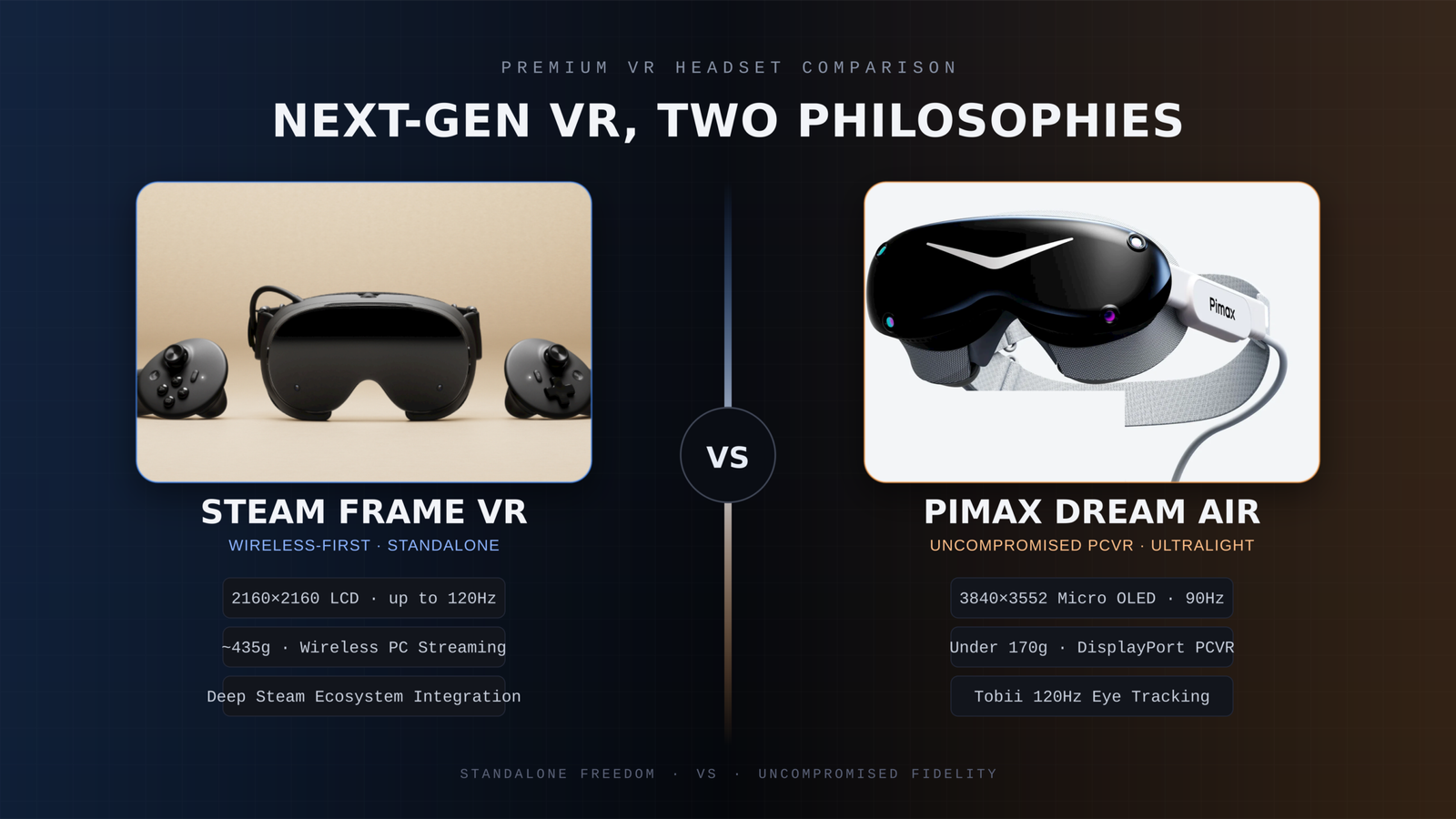
When people ask me which Pimax headset to buy, they almost always want a simple ranking. But after extended time with the Crystal Light, Crystal Super 57 PPD, and the Dream Air Lighthouse version, I’ve learned that’s the wrong approach.
Pimax didn’t create three versions of the same headset. They built three distinct PCVR experiences tailored to different priorities. There is no single “best” — only the best fit for how you actually use VR.
Do you race multi-hour NASCAR leagues in iRacing? Fly long missions in DCS or Microsoft Flight Simulator? Spend evenings in VRChat? Or are you looking for a serious step up from a Quest 3 for PCVR? Your real-world usage matters far more than the price tag.
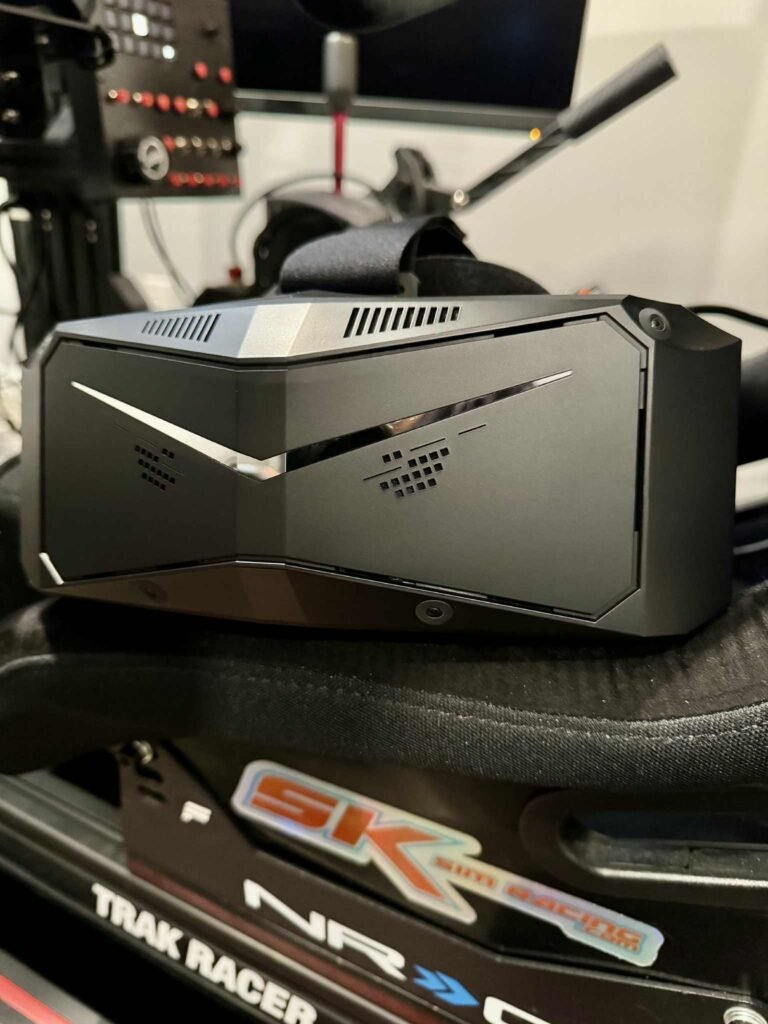
Crystal Light — The Smart Upgrade Into Serious PCVR
Main Advantage: Excellent balance of clarity, tracking, and performance at a reasonable price and with manageable hardware demands.
Actual User Experience: The Crystal Light delivers sharp, usable visuals right out of the gate. Braking boards are easier to read, distant cars are clearer, and the cockpit feels more three-dimensional and alive in sim racing titles. Tracking is reliable, and the headset runs well on mid-to-high-end PCs without pushing your system to its limits. It never felt like a compromise — it simply worked well for focused sim racing sessions.
Limitations: It doesn’t reach the absolute peak sharpness or refinement of the higher-end models. Some users chasing maximum fidelity may eventually want more.
Best For: Most sim racers and PCVR enthusiasts stepping up from a Quest 3 or older headset who want strong performance and great value without over-spending or over-stressing their PC.
👉 Learn more about the Crystal Light
Dream Air — The Headset That Made Me Forget I Was Wearing One
Main Advantage: Outstanding long-session comfort due to its extremely low weight.
Actual User Experience: After about three hours in iRacing with the Lighthouse version, I realized I had stopped noticing the headset entirely. No pressure points, no constant micro-adjustments, no fatigue that usually builds up. The hardware disappears, leaving you fully immersed in the race or simulation. This is a game-changer for anyone whose sessions are limited more by comfort than by time or hardware.
Limitations: Visual performance is strong but does not match the Crystal Super’s level of sharpness and detail. It’s optimized around comfort first.
Best For: Users who prioritize extended comfort for long VR sessions (multi-hour racing, flight sims, or social VR) and want to reduce fatigue as much as possible.
👉 Learn more about the Dream Air
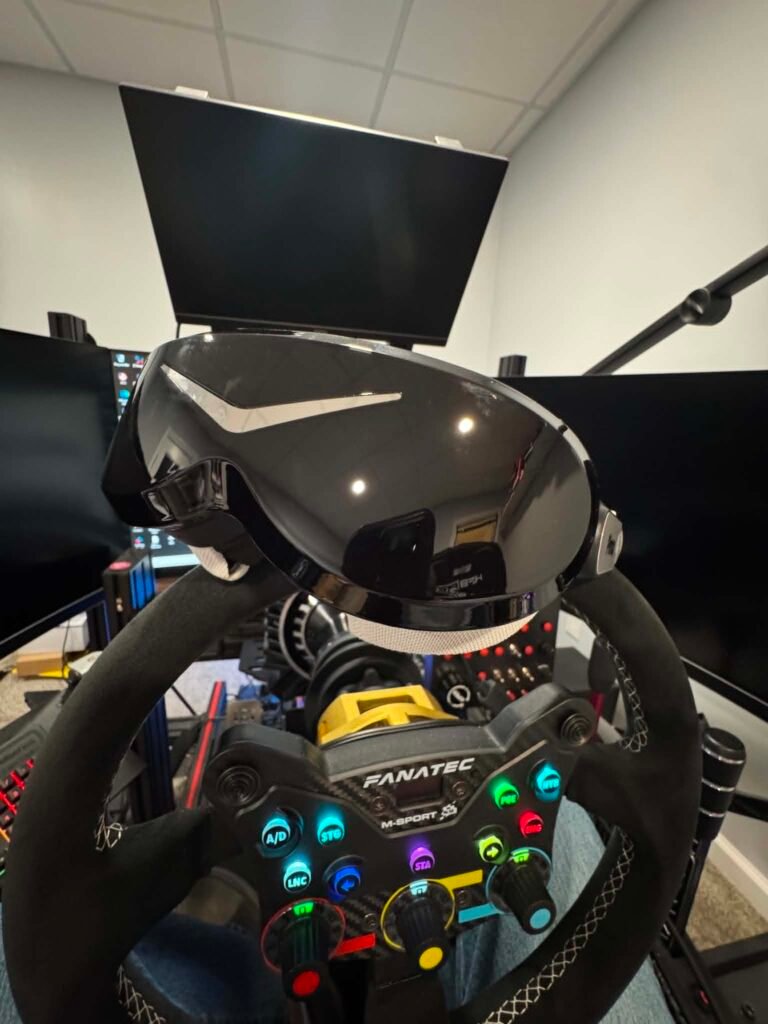
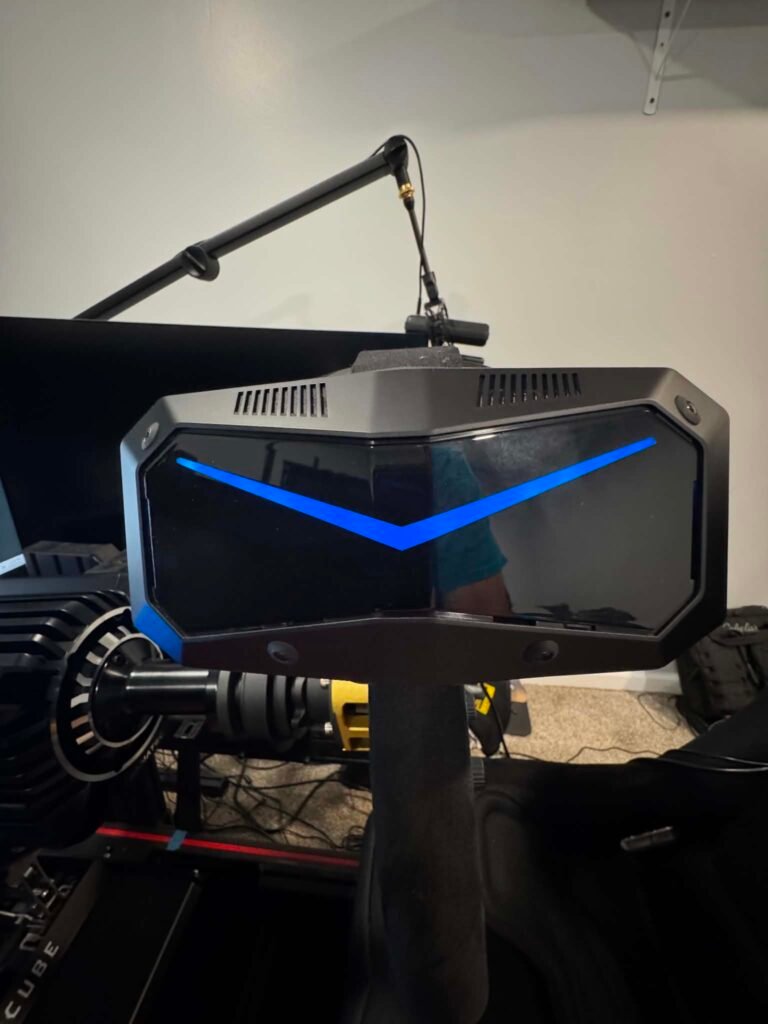
Crystal Super — The Pursuit of Maximum Performance
Main Advantage: Highest visual fidelity, wider FOV options and refinement available in the current Pimax lineup.
Actual User Experience: The improvements over the Crystal Light are subtle at first but compound over time: sharper distant details, cleaner cockpit instruments, easier focus, and greater confidence in close racing. It rewards high-end PCs (especially with powerful GPUs like an RTX 5090) and delivers the most immersive, detailed view. It doesn’t deliver one big “wow” — it delivers better performance across hours of use.
Limitations: Higher price and more demanding on your PC hardware. The visual gains are most noticeable to dedicated enthusiasts rather than casual users.
Best For: Serious sim racers and enthusiasts who want the absolute best image quality their PC can deliver and are willing to invest in both the headset and supporting hardware. The Super Also Comes in wider FOV options. There’s an Ultrawide, 57 PPD, 50 PPD, and 8K Micro OLED version.
Which One Fits Your Style?
| Your Priority | Recommended Headset |
|---|---|
| Best value + solid enthusiast PCVR upgrade | Crystal Light |
| Maximum long-session comfort | Dream Air |
| Absolute best visuals and refinement | Crystal Super |
Short FAQ
Q: Is there one universally best Pimax headset? A: No. Each model targets different priorities — value/performance balance, comfort, or maximum visuals.
Q: Can the Crystal Light satisfy most users? A: Yes, especially sim racers moving up from a Quest 3. It’s the one I recommend most often for its strong all-around performance.
Q: How important is PC hardware? A: Very. The Crystal Super and Dream Air benefits most from top-tier GPUs, while the Crystal Light is more forgiving.
Q: Which is best for iRacing or sim racing specifically? A: Crystal Light for most racers, Crystal Super for those chasing every visual edge, and Dream Air if fatigue limits your seat time.
My Personal Take After Using All Three
The Crystal Light showed me how capable and accessible high-quality PCVR has become. The Dream Air proved that comfort is a legitimate performance factor in long sessions. The Crystal Super demonstrated what happens when you push visual quality as far as current technology allows.
These aren’t competing versions of the same product — they’re three different paths into premium PCVR.
Final Thoughts & Recommendations
Don’t start your decision with budget. Start with the experience you want every time you put the headset on.
- 🏁 Crystal Light – My top recommendation for most sim racers looking for a smart, high-value upgrade into enthusiast PCVR.
- ☁️ Dream Air – Choose this first if long-session comfort is your biggest pain point.
- 🚀 Crystal Super – Go here if you want to maximize image quality and have the PC to support it.
Whichever you choose, you’re getting a headset built around a clear philosophy rather than just incremental upgrades. Match the headset to how you actually use VR, and you’ll be far more satisfied with the result.
Remember, if you make a purchase, enter code Sksimracing_iRacing , This will allow you to receive a 12 month subscription to iRacing, with your Pimax Purchase. This is good till September 30 2026.
Affiliate Disclosure: This article contains affiliate links. If you purchase through these links, SKSimRacing may earn a commission at no additional cost to you. Those commissions help support the reviews, testing, and content I create here on SKSimRacing.
Media Disclosure: SKSimRacing has permission from Pimax to use product images and promotional materials featured in this article.
-
 Featured3 years ago
Rev Up Your Sim Racing Experience with SK Sim Racing: Discover High-Quality Sim Wheels, Pedals, Shifters & More – Exclusive Discounts and Offers Await!
-
 Products3 years ago
Boost Your Sim Racing Experience with Exclusive Deals from Fanatec, Digital-Motorsports, Demon-Tweeks, Ricmotech & Trak Racer
-
 Featured5 years ago
Rev Up with The Oval Wheel: Unleash the Thrill of Racing
-
 Featured3 years ago
Fanatec Sim Racing Wheel Ultimate Buyer’s Guide 2024-2025
-
 Sim Racing3 years ago
Experience the Thrill of Virtual Racing: Unlocking the Exciting World of Sim Racing and Beyond!
-
 Featured6 years ago
New Rig Build
-
 Featured6 years ago
Fanatec CSL Elite Steering Wheel McLaren GT3 V2
-
 Products6 years ago
Sim Racing Gloves