

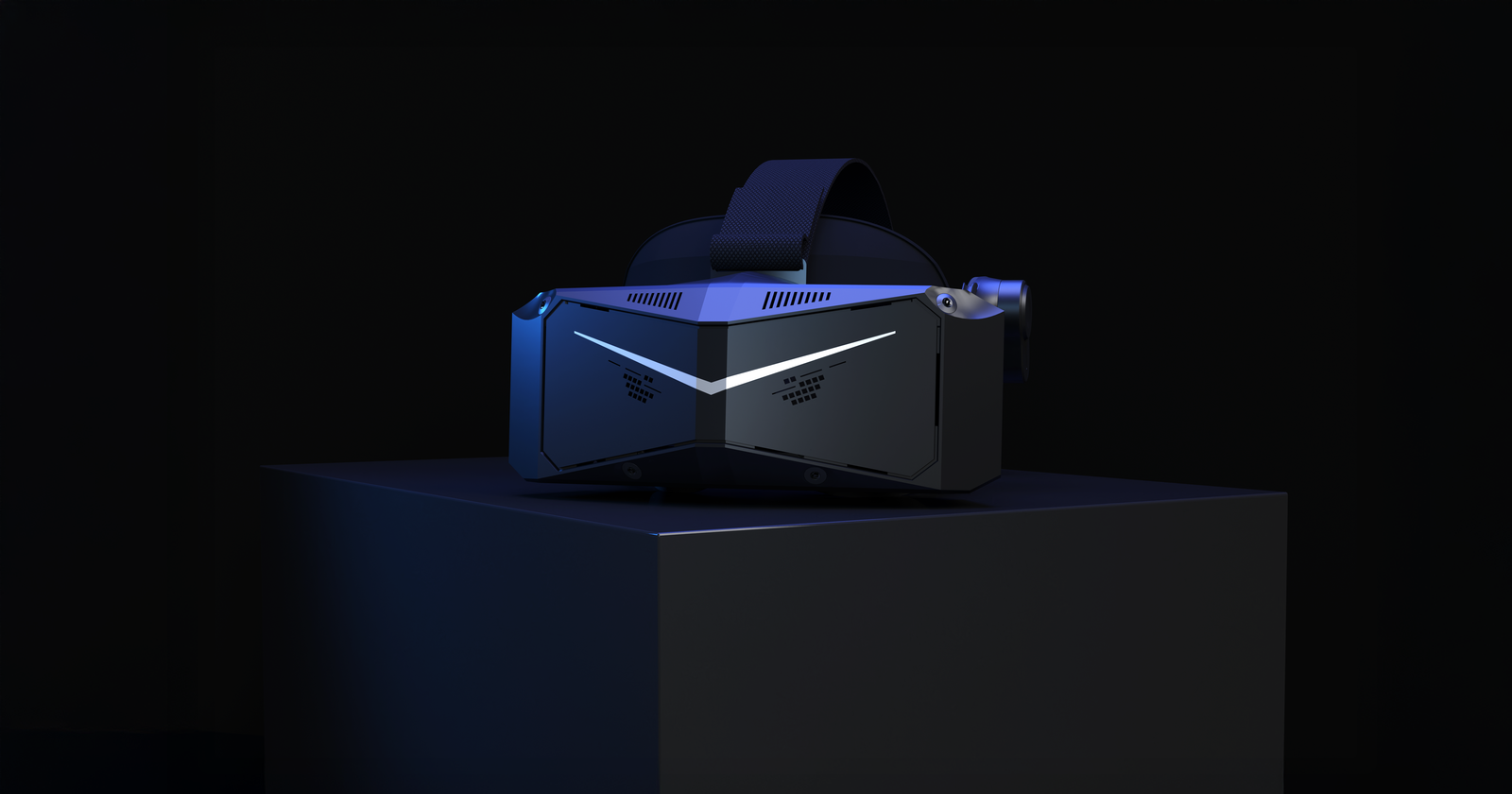
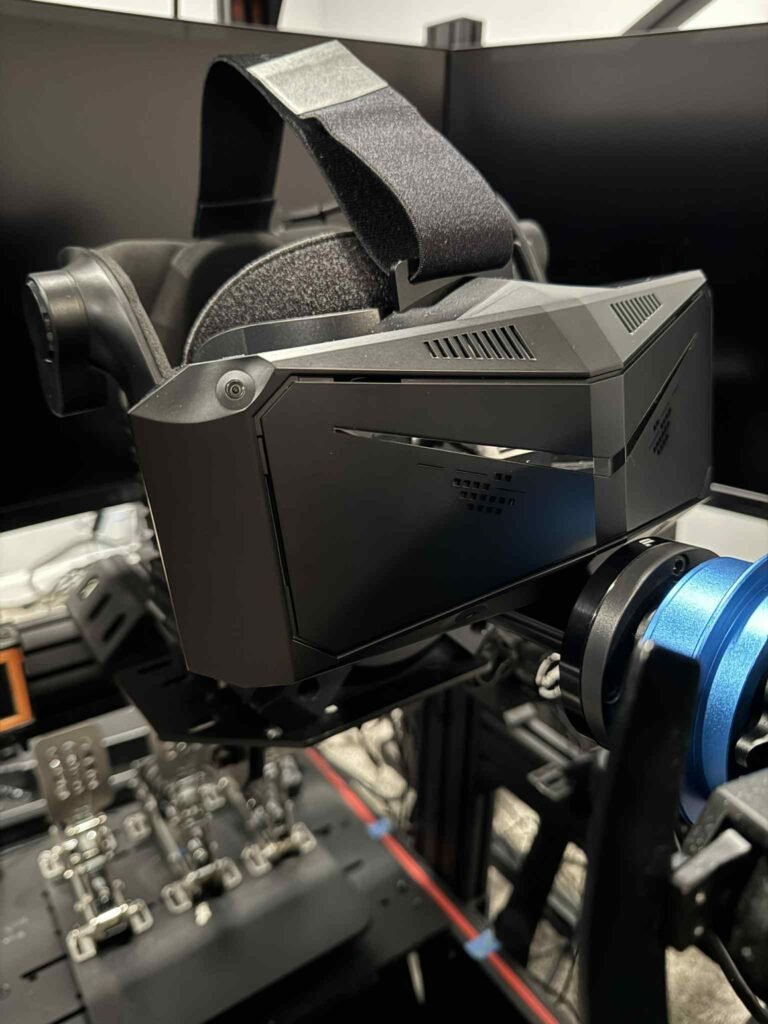
You know I’ve been deep in the Pimax Crystal Light for the past six months now.
I dropped my first impressions and that full iRacing setup guide pretty early on, but those were fresh-out-of-the-box thoughts. Now? After countless league races, long stints, and going wheel-to-wheel in traffic, I can finally tell you what’s actually stuck—and why this headset keeps delivering week after week.

Read my earlier takes here: Pimax VR: Upgrade Your Sim Racing Experience – SK Sim Racing
The moment I first slipped it on, the clarity hit me hard—and it never faded. Race after race, that sharpness is still there, making everything pop in a way that just feels right for sim racing.
What surprised me even more is how much easier everything became to read. Dash details, spotter calls, brake markers, and even cars way up the road? They’re all crisp and effortless. Over a full 30- or 60-minute race, that reduced eye strain adds up big time. You stay fresher, stay focused, and honestly just enjoy the drive more.
One of the biggest game-changers for me has been the improved sense of distance and depth. It didn’t scream at me on day one, but after a few weeks I noticed I was hitting braking points earlier, carrying more speed into corners, and committing with way more confidence—especially on tracks with long sightlines.
It stops feeling like you’re reacting and starts feeling like you’re actually anticipating the lap. That shift alone has leveled up my consistency in league racing.
And don’t even get me started on running in traffic. Staying nose-to-tail with other cars, judging gaps left, right, and in depth—everything feels more natural. There were multiple times I would’ve backed out before, but with the Crystal Light I trusted what I was seeing and stayed in the fight.
When I swapped back to triples for a quick comparison? The difference in depth perception was night and day. I found myself second-guessing stuff I never question anymore. That’s when I knew this headset had genuinely changed how I drive.
Comfort Over the Long Haul
Yeah, I’ll be honest—early on I was a little worried. The Crystal Light isn’t the smallest headset out there, and it does have that solid “brick” look. Weight and comfort were definitely on my mind.
But after months of longer sessions, those concerns basically disappeared. It just becomes part of the rig. You stop thinking about the hardware and lock in on the racing. When the headset fades into the background and all you’re focused on is driving—that’s when you know it’s doing its job right.
It’s a wired PC VR headset, so yes, there’s a cable. But in practice? You barely notice it once you’re in the session. It hasn’t felt restrictive even during endurance-style races. If cable management is a big deal for you, Pimax also offers their VR Wire Bundle that keeps everything tidy and out of the way.
Another nice touch: they include a prescription lens bundle at no extra cost if you wear glasses in VR. That alone makes it an easy win for a lot of sim racers.
If you’re thinking about grabbing the Pimax Crystal Light for yourself, here’s my direct link: https://pimax.com/?ref=sksimracing
You can still use my code sksimracing for a nice little discount on the headset and any bundles.
My Current PC Setup (For Those Asking)
A bunch of you have been asking what I’m running this on, so here’s the quick rundown:
- Intel Core Ultra 9 285K (3.2GHz) Processor
- Gigabyte Z890 AORUS ELITE X ICE
- 64GB DDR5-6000 RAM
- NVIDIA GeForce RTX 5090 Graphics Card
- 2TB NVMe SSD
- 2.5GbE LAN, WiFi 7 (802.11be), Bluetooth 5.4
- Windows 11 Pro
Quick Specs Overview
For the spec nerds out there, here’s what the Pimax Crystal Light brings to the table:
- Resolution: 2880 x 2880 per eye
- Refresh Rates: 72, 90, 120 Hz
- Field of View: 105° horizontal
- Display: QLED + Mini-LED with optional local dimming
- Lenses: Aspheric Glass
On paper it looks strong. On track? It actually delivers. You feel the clarity and precision translate straight into better lap times and more confidence behind the wheel.
After six solid months, there wasn’t one single “wow” moment that carried the whole experience. Instead, it was the steady, day-in-day-out improvements that won me over. I’m driving more naturally, more consistently, and honestly—it just feels a whole lot closer to real racing.
If you’re serious about taking your sim racing to the next level, the Pimax Crystal Light is absolutely worth a look.
Grab it here with my affiliate support: https://pimax.com/pages/pimax-crystal-light?ref=sksimracing
Let me know what headset you’re currently running—I’m always down to talk sim gear!
Affiliate Disclosure: This post contains affiliate links. If you purchase through them, I may earn a small commission at no extra cost to you. I only recommend gear I actually use and believe in.