


Affiliate Disclosure: This article contains affiliate links. If you purchase through one of them, I may earn a small commission at no additional cost to you.
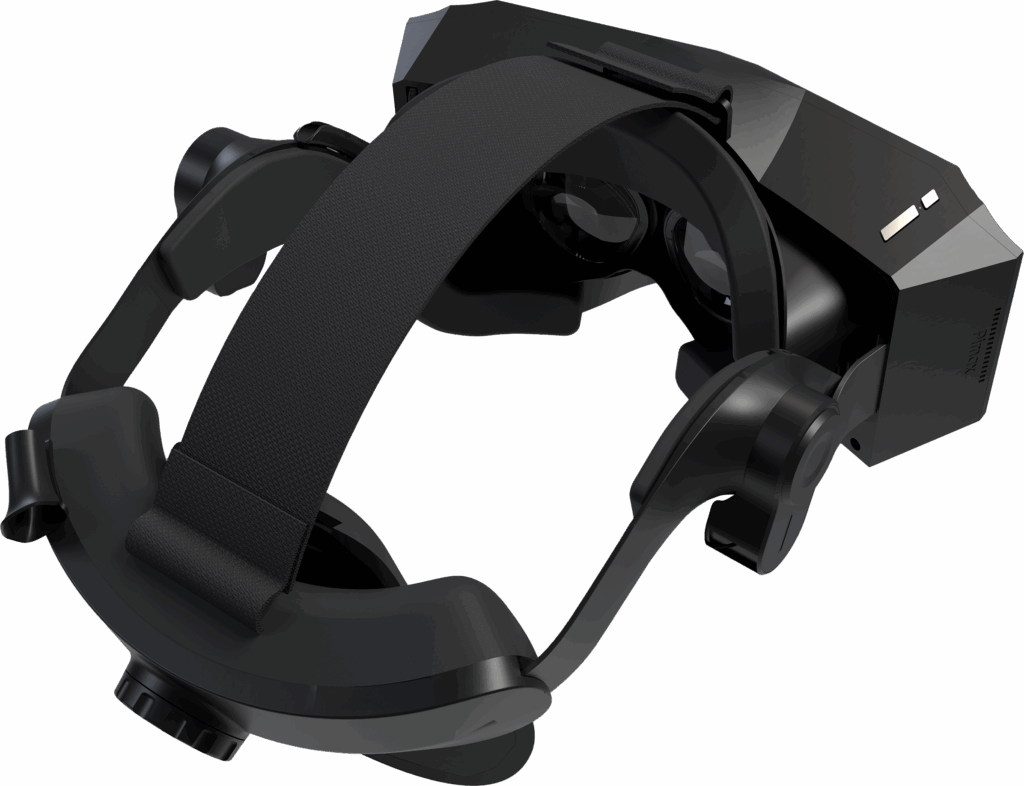
👉 Check out the Pimax Crystal Light VR Headset here
Settling In Behind the Wheel
After spending several more hours with the Pimax Crystal Light in iRacing, I can confidently say this headset has completely transformed how I approach each race session.
Coming from a triple screen setup, I already had a decent field of view — but it never felt truly “connected.” In VR, especially with the Crystal Light, the immersion level is on another planet.
During longer stints, it’s not just about visual realism; it’s about how the headset changes your instincts on track. The extra depth perception and sense of spatial awareness genuinely affect how you race.

Visual Clarity & Frame Rate Performance
Running on my RTX 3090, I tested the Crystal Light across multiple car and track combinations — from the NASCAR Next Gen at Bristol to the Porsche 992 Cup at Spa.
Here’s what stood out:
- Frame Rate Stability: With iRacing’s graphics set to 100% render scale, 4x MSAA, and medium shadows/reflections, I consistently hit 90 FPS. Even in dense grids, the performance stayed smooth.
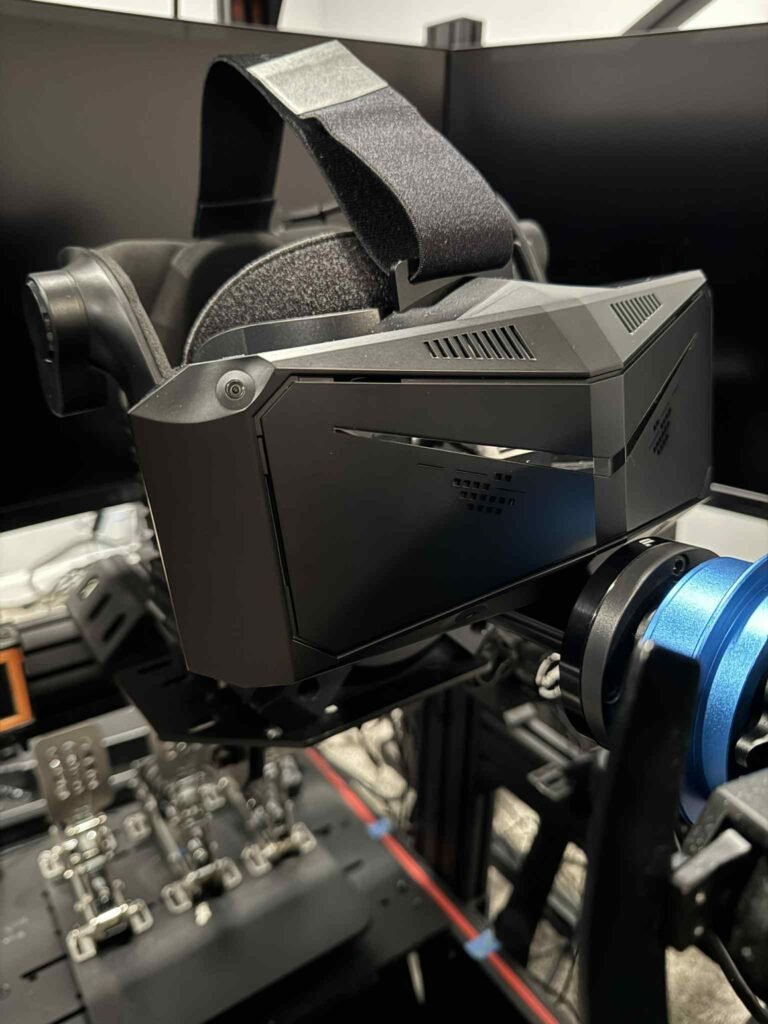
- Sharpness: The 35 PPD lenses deliver a clean, detailed image. You can easily read cockpit instruments, black box data, and trackside banners without strain.
- Minimal Motion Sickness: After multi-hour races, I had zero fatigue or dizziness — which isn’t something I could say about every VR headset I’ve tested.
For reference, my triple-screen setup is a trio of 32” curved 1440p monitors. While that setup offers high resolution, it can’t replicate depth and motion cues the way VR does.


The Cockpit Experience
Once the visor is down and the headset’s tracking locks in, you feel planted inside the cockpit. The ability to lean forward, glance into the mirror, or peek around the A-pillar feels natural.
- The visual scale is spot-on — no “shrink-wrapped” or distorted perspective.
- When approaching corners, you can physically turn your head to spot the apex, which improves confidence and braking consistency.
- During side-by-side battles, the wide FOV lets you instinctively sense where the other car is.
It’s a level of awareness that’s hard to achieve on triples, where your vision is limited to static screens.
HUD Readability & Interface Comfort
One of my early concerns was HUD clarity in VR — especially iRacing’s black box and relative data overlays. After adjusting IPD and brightness, everything became crisp and legible.
Compared to my triple-screen setup, VR HUD readability is nearly identical now. You can easily check fuel levels, lap deltas, and tire wear without leaning in or pausing.
I also found that adjusting the brightness and contrast in Pimax Play reduced glare during daytime tracks, giving a smoother visual tone that matches natural sunlight.

Comfort During Long Sessions
Long races — like 90-minute GT3 events or 100-lap ovals — are the real test of any headset.
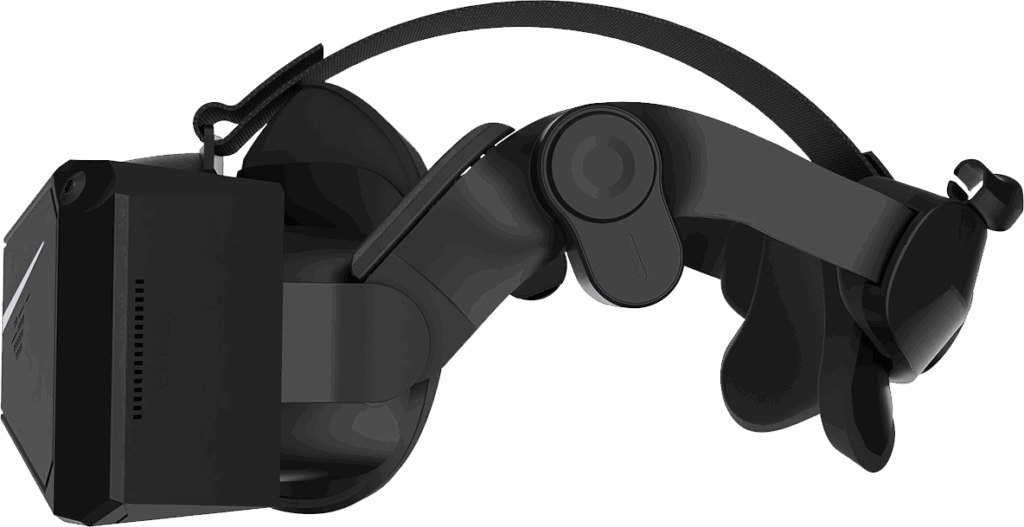
The Crystal Light’s weight distribution surprised me here. Even though it’s feature-rich, it’s light enough that I can wear it comfortably for extended periods. The padding and strap tension keep pressure off the forehead, and ventilation is solid — no fogging or heat buildup.
After three back-to-back sessions, I didn’t feel the neck strain or temple fatigue I’ve had with bulkier headsets.
Triples vs. VR: Which Feels More “Real”?
Let’s be honest — triple screens still have advantages in convenience and UI simplicity. But once you’ve experienced VR done right, it’s tough to go back.
Here’s the reality:
| Feature | Triple Screens | Pimax Crystal Light |
|---|---|---|
| Field of View | Wide but limited to screen edges | 360° immersion, natural head movement |
| Depth Perception | Flat, 2D visual | True 3D depth — see distances & apexes naturally |
| Space Awareness | Peripheral blind spots | Natural awareness of cars beside you |
| Immersion | Good | Unmatched |
| Setup Simplicity | Easier | Slightly more involved (but worth it) |
For pure driving realism, the Crystal Light wins hands-down.
The Pimax PCVR Upgrade Event
If you’re thinking about making the switch, now’s the time. Pimax is running their 2025 PCVR Upgrade Event — offering exclusive discounts and trade-up opportunities for new buyers.
Use my code sksimracing at checkout to save on your headset and join thousands of sim racers upgrading this season.
👉 Grab your Pimax Crystal Light here
Final Thoughts
After extended use, the Pimax Crystal Light continues to impress. It strikes the right balance between clarity, comfort, and performance — all while delivering the kind of immersion that turns laps into experiences.
If you’ve been racing on triples and wondering if VR is worth the switch — the Crystal Light makes a compelling argument. You won’t just see the race differently; you’ll feel it differently.
🎯 My verdict so far:
“For iRacing drivers serious about immersion and spatial awareness, the Pimax Crystal Light is the headset to beat.”
👉 Check out the Pimax Crystal Light and use code sksimracing during the PCVR Upgrade Event for exclusive discounts.